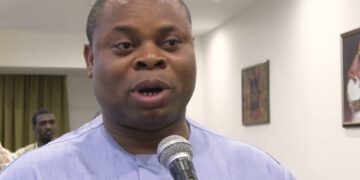



























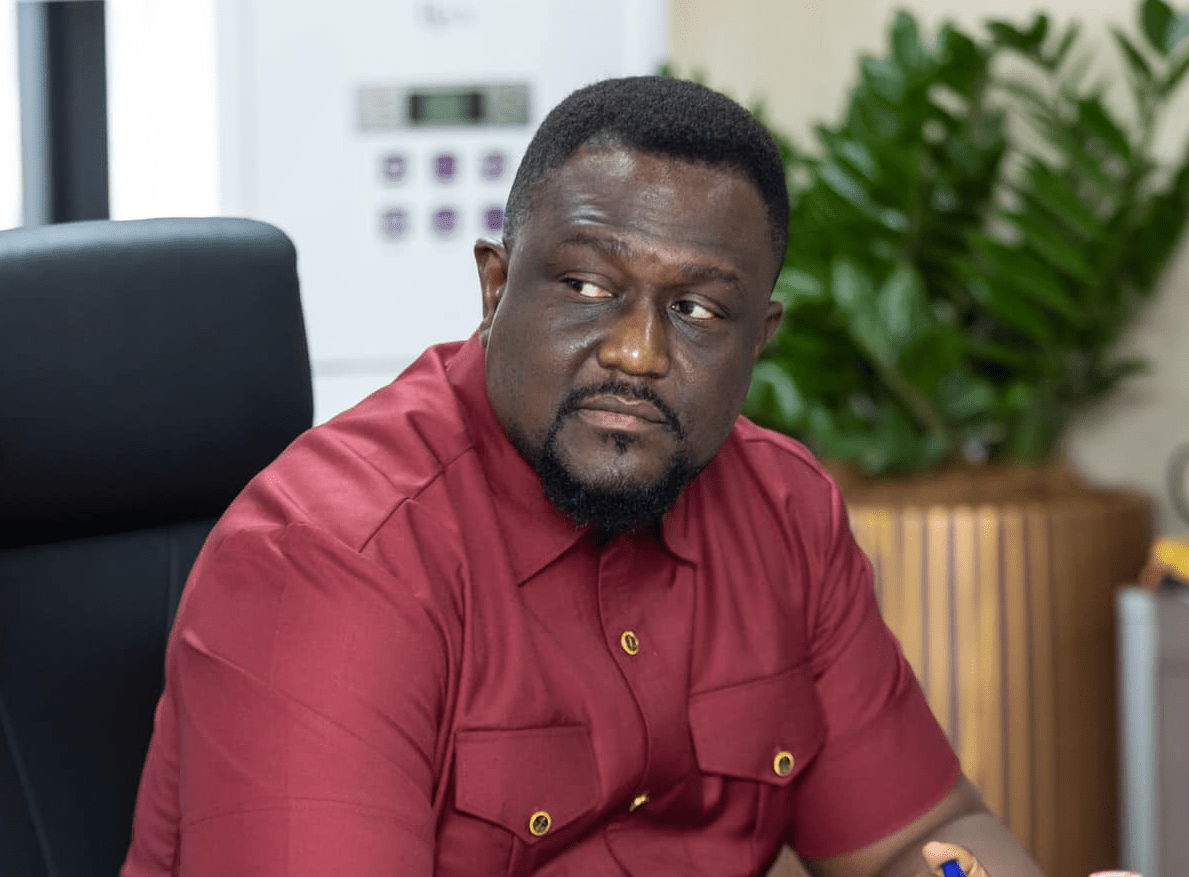
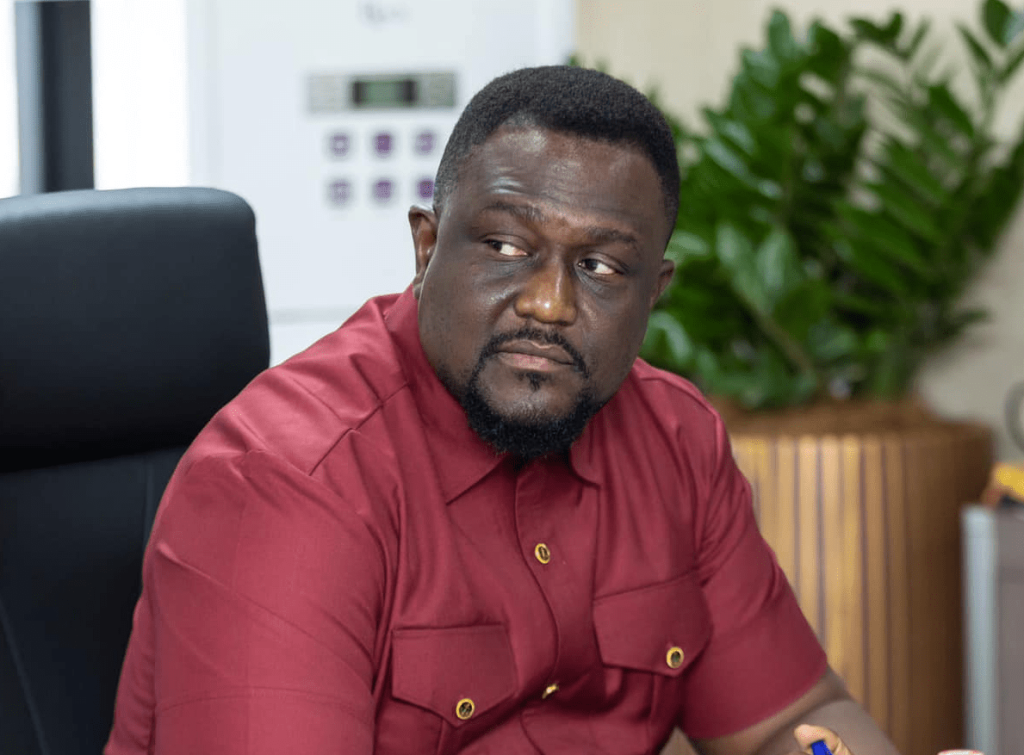
Former Managing Director of the Electricity Company of Ghana (ECG), Samuel Dubik Mahama, has attributed rising electricity tariffs to weak operational systems within the company, insisting that inefficiencies in infrastructure rather than tariff adjustments are undermining revenue performance.
His comments follow the Public Utilities Regulatory Commission’s (PURC) announcement of an upward review of utility tariffs. On June 22, the PURC approved a 3.49% increase in electricity tariffs and a 0.85% increase in water tariffs under its third-quarter adjustment. The new rates are expected to take effect from July 1, 2026.
Speaking on The Big Issue on Channel One TV, Mr. Dubik Mahama argued that ECG’s revenue challenges are largely driven by outdated systems, particularly obsolete electricity meters that fail to accurately capture and bill consumption under current tariff structures.
“I wish I could have sent ECG revenue figures for us to display for everybody to see, from when I took over to where I got ECG, to the time I left,” he said. “I can bet you now that there are meters in the system that are not reading the new tariffs because they are obsolete.”
He stressed that rather than relying on periodic tariff increases to shore up revenue, ECG should focus on addressing internal operational gaps that continue to affect billing efficiency and revenue collection.
“We need to plug the operational loopholes,” he said, adding that the company’s financial performance would improve significantly if such challenges were resolved.
Mr. Dubik Mahama also questioned ECG’s current revenue trajectory, comparing it with figures recorded during his tenure. According to him, the utility company was generating significantly lower revenue when he assumed office but saw improvements before he left.
He cautioned that persistent reliance on tariff increases without addressing systemic challenges risks overburdening consumers while failing to resolve ECG’s underlying financial inefficiencies.
His remarks add to ongoing public debate over utility pricing, infrastructure reliability, and the sustainability of Ghana’s power distribution system.