














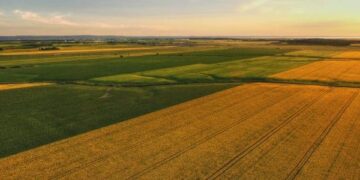
















Royal Kingdom Estate’s newly unveiled 500-acre eco-community project in Aburi is drawing scrutiny from environmental observers and industry analysts, who are questioning the practicality and enforceability of its sustainability commitments.
The ambitious development, launched during the GH/UK Investment Summit, has been promoted as a model for environmentally responsible real estate in Ghana. The project’s central policy requires each homeowner to plant a minimum of 15 trees, a measure the company says will help restore vegetation cover, enhance biodiversity, and mitigate flooding risks in parts of the Greater Accra Region.
However, critics argue that the initiative, while well-intentioned, lacks clear mechanisms for implementation and long-term monitoring.
“Tree-planting requirements sound good on paper, but without a structured enforcement framework, compliance becomes difficult to guarantee,” said an Accra-based environmental consultant who spoke on condition of anonymity. “Who ensures the trees are planted? Who maintains them over time? These are critical questions that remain unanswered.”
The development has also sparked concerns about the broader environmental impact of converting 500 acres of land into a residential community, even under the banner of sustainability. Some analysts warn that large-scale construction activities could disrupt existing ecosystems before any restorative measures take effect.
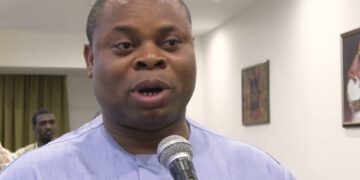
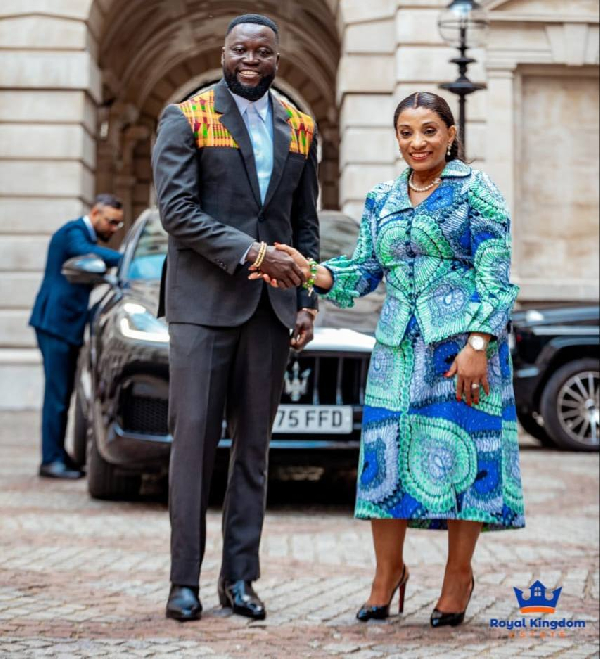
Royal Kingdom Estate maintains that its approach reflects a growing global trend toward eco-conscious housing. According to the company’s CEO, Danny Angels, the project is designed not only to provide housing but also to contribute to environmental recovery.
“We believe real estate development must protect, not destroy, the environment,” he said during the summit, adding that the initiative aims to set a new benchmark for green living in West Africa.
The company has also linked its strategy to the recurring issue of flooding in parts of Greater Accra, attributing it partly to the loss of natural vegetation that historically absorbed excess rainfall. By integrating greenery into residential planning, the firm says it is addressing both housing needs and environmental challenges.
Despite these assurances, some urban planners remain cautious. They point out that effective flood management typically requires coordinated public infrastructure, including drainage systems and land-use regulation, rather than relying solely on private initiatives.
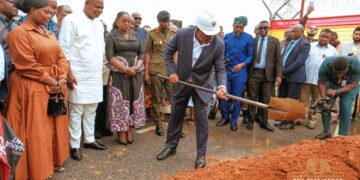
The high-profile unveiling of the project, attended by senior government officials and dignitaries, has further amplified public interest and debate. While supporters see the initiative as a step toward sustainable urban development, skeptics argue that more transparency and detailed planning are needed to validate its claims.
As Ghana continues to grapple with rapid urbanization and environmental degradation, the success or failure of projects like Royal Kingdom Estate’s Aburi development may ultimately shape the future of green real estate in the country.