





























Residents of Mangoline, a community near McCarthy Hill in the Weija-Gbawe Municipality of the Greater Accra Region, are raising concerns over what they describe as a rapidly worsening environmental and public health crisis caused by illegal waste dumping in a nearby wetland.
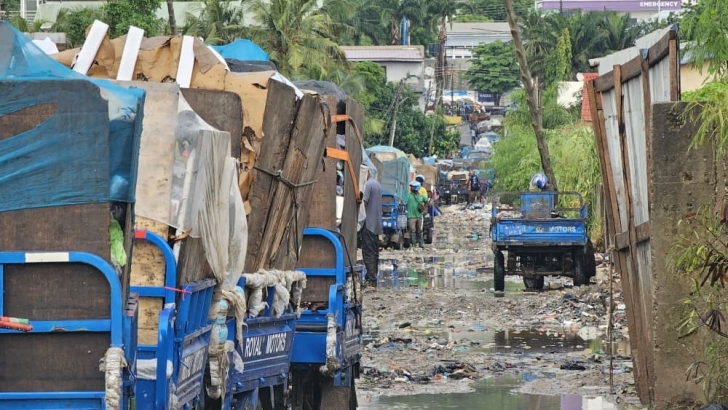
According to the residents, the wetland has been converted into an unofficial dumpsite where more than 500 tricycles, locally known as aboboyaa, offload refuse daily. They allege that operators are charged about GH¢50 per trip, with the waste subsequently dumped directly into the wetland, raising fears of an organised illegal disposal system operating in the area.
Some residents further allege that the arrangement is being carried out with the knowledge of officials within the Weija-Gbawe Municipal Assembly, including the Municipal Chief Executive (MCE), Felix Odartey Lamptey. These claims, however, have been strongly denied by the MCE.
In a phone interview with Citi Newsroom, Mr. Lamptey dismissed allegations that he had authorised or sanctioned any form of payment collection at the site. He stressed that his office has not approved any such activity and has reported the situation to National Security for urgent intervention.
According to him, National Security personnel have already been deployed to the area to halt further dumping activities and stabilise the situation. He added that a joint team involving the municipal task force and security agencies will soon move in to secure the site and enforce a complete stop to illegal dumping.
Meanwhile, residents say the environmental impact has become severe, with the wetland—once a natural ecological buffer—now overwhelmed by heaps of plastic waste, food remnants, and other refuse. They report an increase in flies, foul odours, and stagnant water, which they believe is contributing to rising health challenges in the community.
“At dawn you cannot even sit outside. The flies are everywhere. Our children are constantly falling sick with stomach problems and skin rashes,” said Ama Serwaa, a trader who has lived in the area for over a decade.
Others say heavy rains now wash waste from the site into surrounding drains, worsening flooding risks and spreading pollution into nearby communities.
Public health experts have also warned that the destruction of wetlands through uncontrolled dumping could increase the risk of diseases such as cholera, typhoid, and malaria, especially during the rainy season when sanitation conditions deteriorate.
Residents are therefore calling on the Weija-Gbawe Municipal Assembly, the Environmental Protection Agency (EPA), and the Ministry of Sanitation and Water Resources to take immediate action. They are demanding an end to the dumping activities, reclamation of the wetland, and the provision of proper waste disposal alternatives for tricycle operators.
“We are not against people earning a living through waste collection, but our health and environment must be protected,” another resident said.
With National Security now involved, enforcement actions are expected to intensify in the coming days as authorities move to curb further environmental damage and restore order to the area.
For now, residents of McCarthy Hill and surrounding communities continue to live with what they describe as a growing environmental emergency while awaiting decisive intervention from authorities.