



































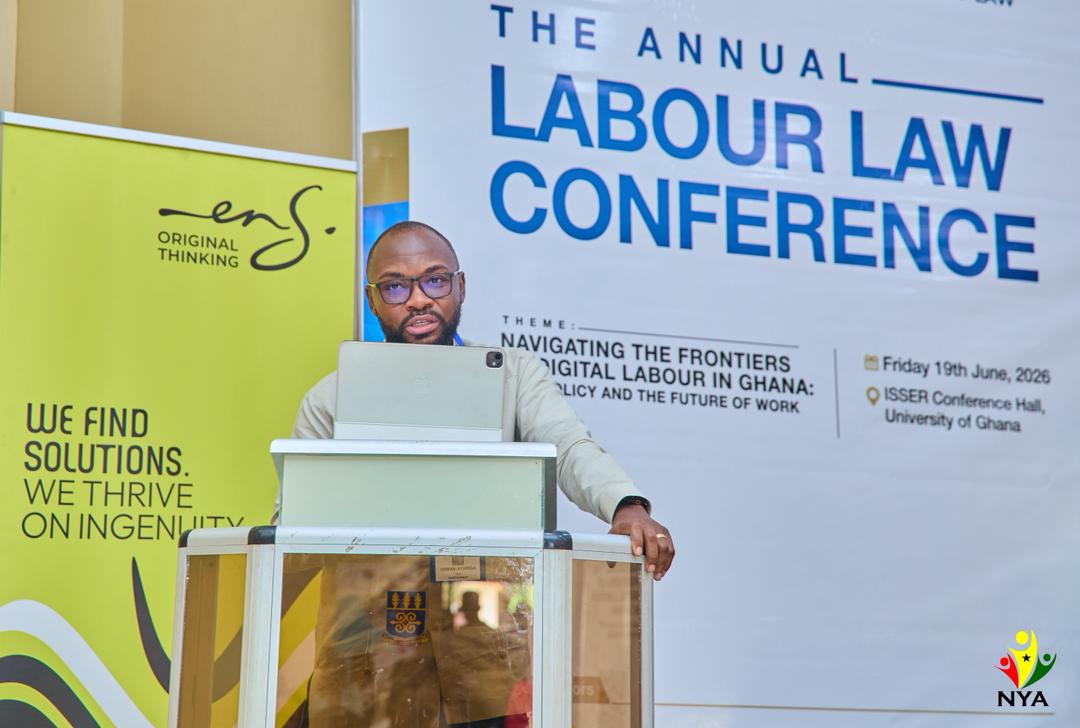
The Chief Executive Officer of the National Youth Authority (NYA), Osman Abdulai Ayariga, Esq., has positioned himself at the forefront of advocacy for youth inclusion and protection within Ghana’s rapidly expanding digital economy.
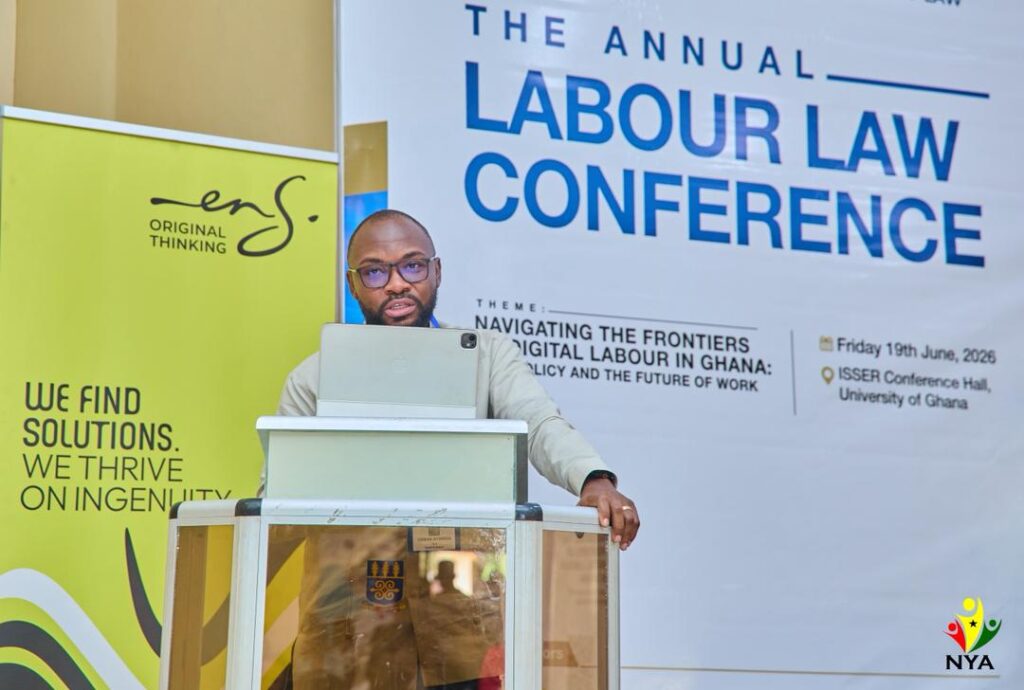
Speaking in anticipation of a national conference on digital labour, Ayariga underscored the urgent need to align Ghana’s labour policies with the realities facing young people who are increasingly earning livelihoods online.
As CEO of the NYA, Ayariga highlighted that the Authority’s mandate goes beyond traditional youth programmes, extending into shaping the future of work through strategic investments in digital skills and entrepreneurship.
Under his leadership, the NYA has rolled out several initiatives targeting digital empowerment, including training thousands of young people in online marketing and entrepreneurship, as well as specialized programmes in mobile app development, artificial intelligence, and cybersecurity.
“These are not theoretical interventions—they are practical steps to ensure young Ghanaians are competitive in the global digital economy,” he noted.
Despite these efforts, Ayariga acknowledged that significant gaps remain in the protection of digital workers. He pointed out that many young people operating in the gig economy lack formal recognition, social security, and legal safeguards.
He called for stronger collaboration between government institutions, the private sector, and academia to develop policies that protect workers without stifling innovation. He also emphasized the importance of financial inclusion, noting that many digital entrepreneurs struggle to access credit due to the informal nature of their work.
Ayariga further encouraged young people to take ownership of their economic futures by building skills, maintaining financial discipline, and prioritizing their mental well-being in an increasingly demanding digital environment.
His remarks reinforce the National Youth Authority’s commitment to ensuring that Ghana’s youth are not only participants in the digital revolution but are adequately supported and protected as key drivers of economic growth.
As Ghana navigates the future of work, Ayariga’s leadership signals a growing recognition of the need to place youth at the center of national development strategies.