


































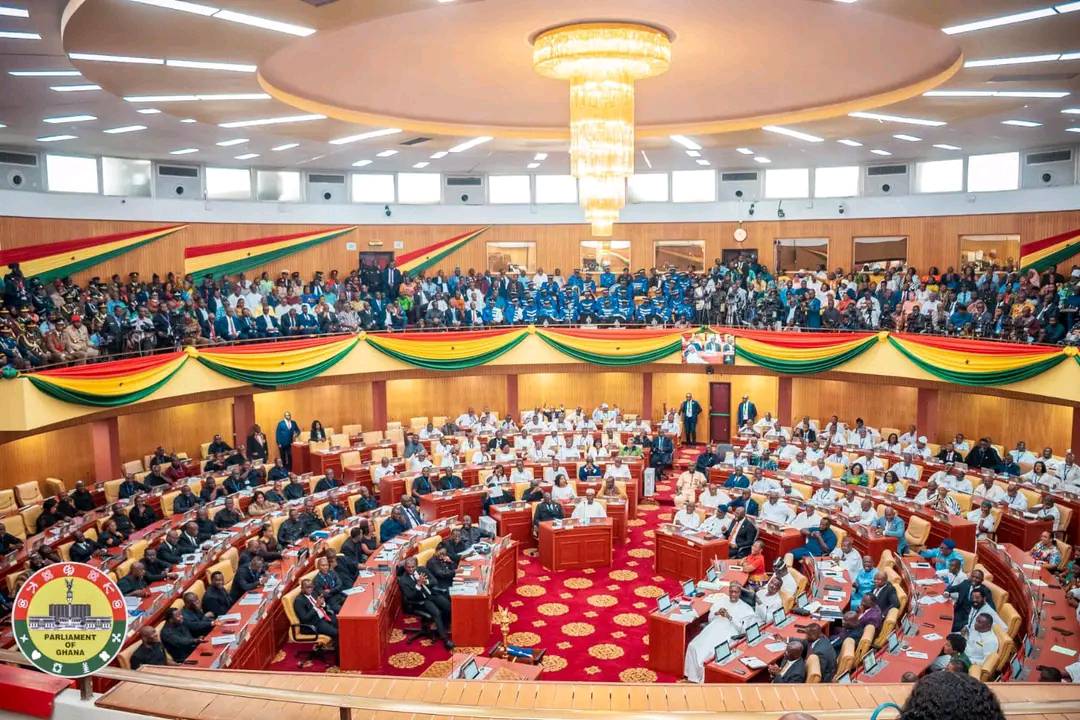
Parliament has approved a 20-year concession agreement that will see Rock Africa Limited spearhead the reintroduction of electronic road and bridge tolls across Ghana under a Public-Private Partnership (PPP) arrangement.
The agreement, signed between the Ministry of Roads and Highways and a Special Purpose Vehicle (SPV) to be incorporated by Rock Africa Limited, establishes the framework for the financing, development, operation and maintenance of a nationwide modern electronic tolling system.
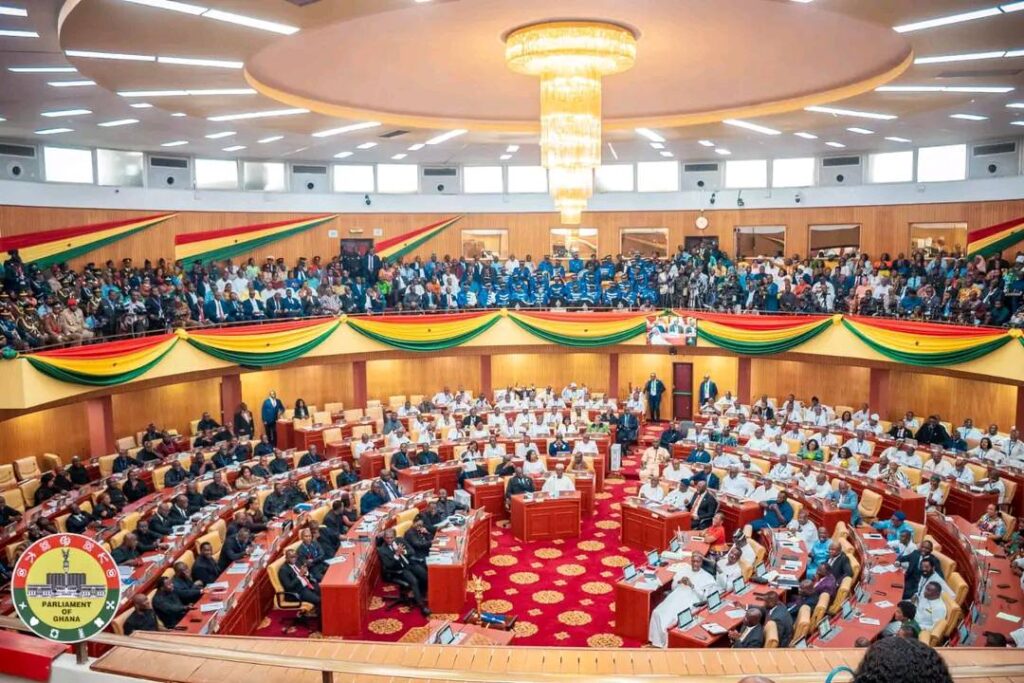
The approval followed extensive debate on the report of Parliament’s Roads and Transportation Committee, with lawmakers discussing the return of road tolls, which were abolished in 2021.
The new electronic tolling system is expected to replace the manual collection method, eliminating long queues at toll booths while improving efficiency in revenue collection to support road infrastructure development.
During the debate, Member of Parliament for Bimbilla and former Defence Minister, Dominic Nitiwul, defended the previous New Patriotic Party (NPP) administration’s decision to abolish road tolls, saying it was taken under the prevailing economic conditions.
According to Mr. Nitiwul, the Akufo-Addo government removed the tolls to avoid imposing an additional financial burden on Ghanaians following the introduction of the Electronic Transfer Levy (E-Levy).
“We abolished the road tolls for one simple reason. We did not want to burden Ghanaians with both the E-Levy and the road tolls. Basically, that was the reason,” he told Parliament.
Despite defending the earlier policy, Mr. Nitiwul expressed support for the new electronic tolling system, noting that technology-driven toll collection would eliminate the inconveniences associated with the previous manual system.
“If the government decides that they will bring the road tolls, but it will be electronic, like what I have seen in South Africa, I think that I will support it,” he said.
He explained that motorists would be able to drive through toll points without stopping, with charges recorded electronically and billed periodically.
“If it’s electronic and it’s 20 years, I think it’s a good deal that Ghanaians should take. Because you will not even realise that there are road tolls. You pass, there will be a beep, and then you go; at the end of the month, they bring you a bill, and then you pay,” Mr. Nitiwul stated.
He urged Members of Parliament to support the concession agreement, arguing that an electronic tolling system would provide a more efficient and sustainable mechanism for financing the country’s road infrastructure while improving the experience of road users.
The concession forms part of the government’s broader strategy to leverage private sector investment in modernising transport infrastructure and ensuring sustainable funding for the construction and maintenance of roads and bridges nationwide