

































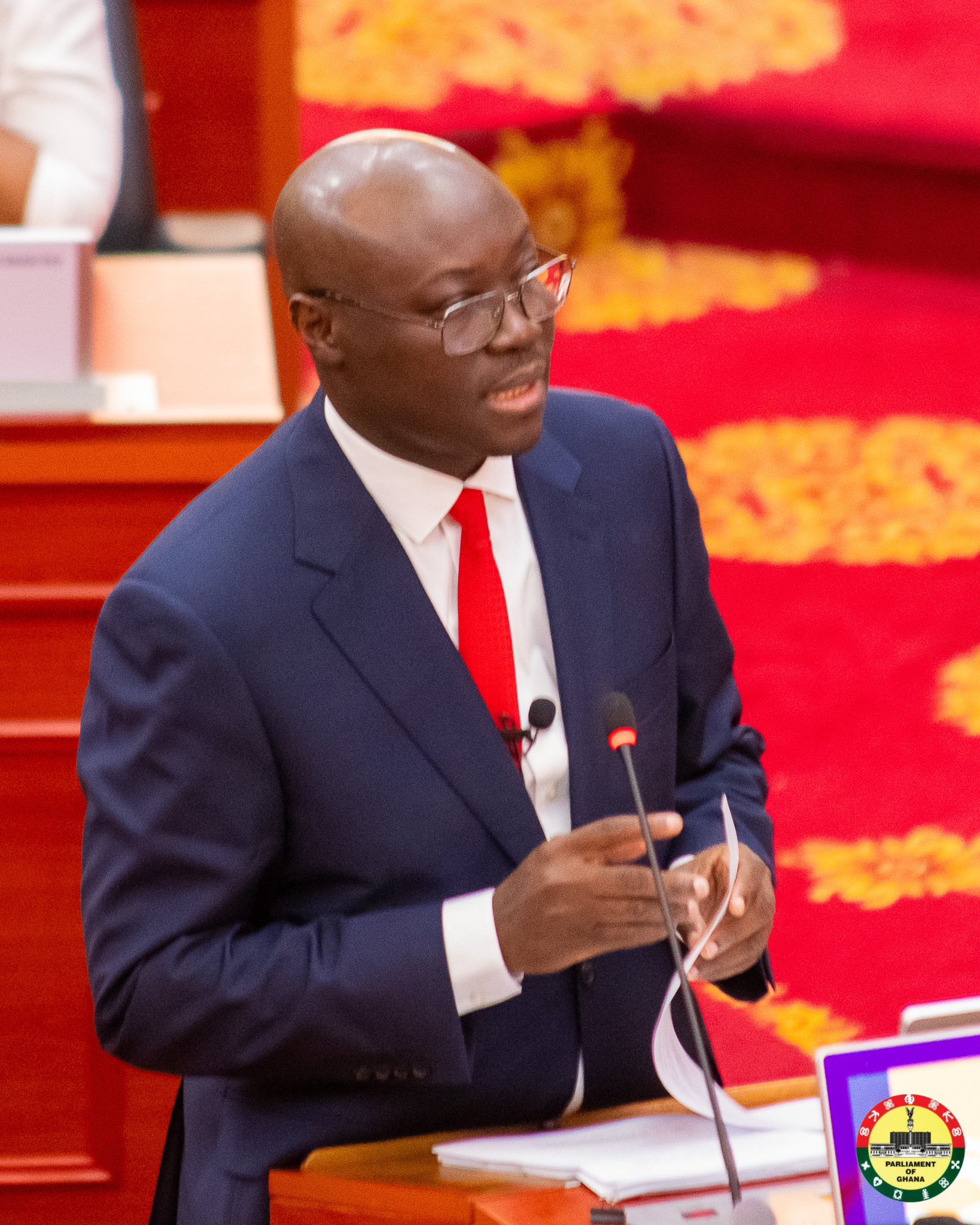
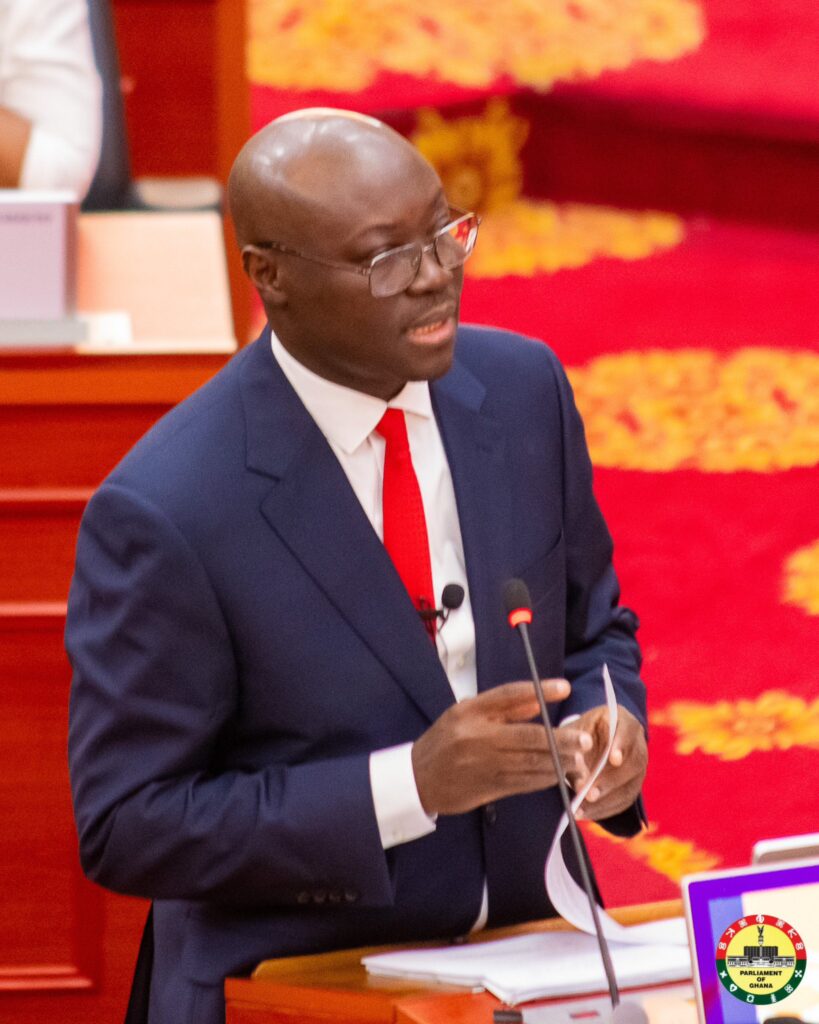
The Minister for Finance, Cassiel Ato Forson, has presented a comprehensive report to Parliament detailing the utilisation of proceeds from the GH¢1 fuel levy imposed on petroleum products for the 2025 fiscal year.
The move is seen as a significant step toward enhancing transparency and accountability in the management of funds generated from the levy, popularly known as the “Dumsor Levy.” The report outlines how revenues, particularly those earmarked for energy sector debt recovery, have been deployed to support the stability of power supply across the country.
Addressing Parliament on Tuesday, May 26, Dr. Forson explained that the document provides a full breakdown of petroleum-related tax revenues and their application. He noted that the report has been submitted to the appropriate parliamentary committee for further scrutiny.
“The details are in the report and have accordingly been presented to the committee for deliberation, and when the committee invites us, we will go and present the details,” he told the House.
The presentation comes in response to calls for greater clarity on the use of the levy, especially amid recent intermittent power outages in parts of the country. By formally laying the report before Parliament, the Finance Minister reaffirmed government’s commitment to openness in public financial management.
Introduced to help address mounting debts in the energy sector, the levy has played a key role in mobilising additional resources to sustain electricity generation and distribution. Government officials say the funds have been directed toward settling legacy debts and supporting ongoing reforms aimed at ensuring a more reliable power supply.
In addition to the levy report, Dr. Forson also presented Ghana’s 2025 Annual Public Debt Report, announcing that the country has attained a moderate risk of debt distress—an indication of improving fiscal stability.
The Finance Minister emphasized that continued transparency and prudent management of public funds remain central to government’s strategy to strengthen the economy and restore confidence in the energy sector.