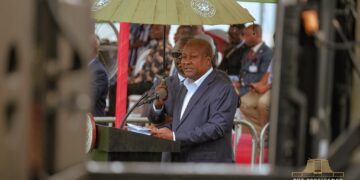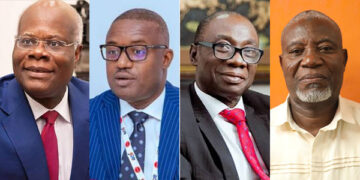



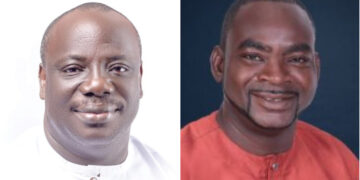
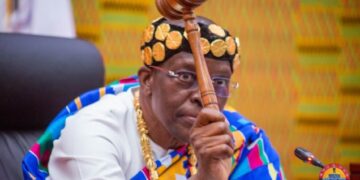
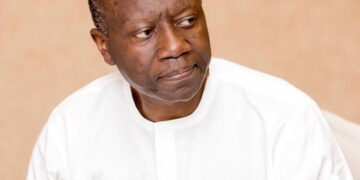

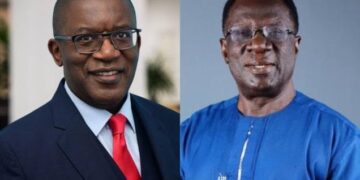




















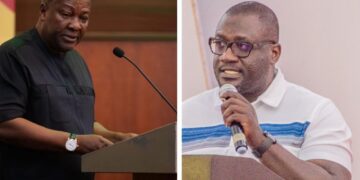



President John Dramani Mahama has nominated Justices Sophia Rosetta Bernasko Essah, Edward Amoako Asante and former Ghana Bar Association (GBA) President Tony Forson for appointment to Ghana’s Supreme Court, subject to parliamentary approval.
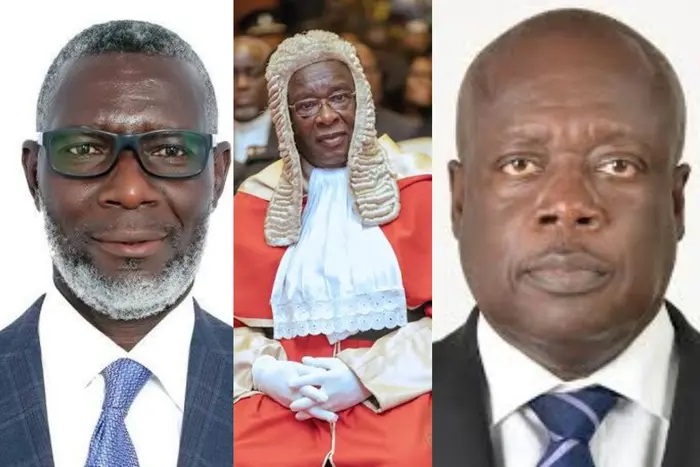
The nominations, made in consultation with the Judicial Council in accordance with the 1992 Constitution, were communicated to Parliament for consideration. If approved, the appointments will increase the number of serving Supreme Court justices from 18 to 21.
Justice Sophia Rosetta Bernasko Essah and Justice Edward Amoako Asante are both serving judges of the Court of Appeal, while Tony Forson is a private legal practitioner and former President of the Ghana Bar Association.
Justice Amoako Asante brings extensive judicial experience to the nomination, having previously served as President of the ECOWAS Court of Justice before returning to the Ghanaian Court of Appeal. His career spans both domestic and regional judicial service.
Justice Bernasko Essah has also built a distinguished career within Ghana’s judiciary, serving on the Court of Appeal and holding several key judicial positions over the years.
Tony Forson, the only nominee from private legal practice, is widely respected within Ghana’s legal fraternity. As a former President of the Ghana Bar Association, he has played a significant role in legal advocacy and the development of the country’s justice system.
The three nominees will now appear before Parliament’s Appointments Committee for vetting. Following the hearings, the committee will submit its recommendations to the House for debate and approval.
Should Parliament approve the nominations, President Mahama will administer the oath of office, officially swearing them in as justices of the Supreme Court.
The Supreme Court is Ghana’s highest judicial authority, exercising final appellate jurisdiction in civil and criminal matters. It also has exclusive jurisdiction over constitutional interpretation and enforcement, as well as disputes relating to presidential elections and other constitutional issues.
If all three nominees are confirmed, the Supreme Court’s membership will increase from 18 to 21 justices, a move expected to strengthen the court’s capacity to hear constitutional, civil and criminal cases more efficiently.