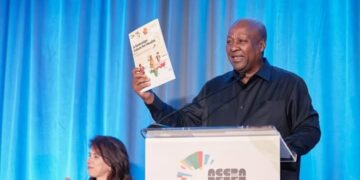








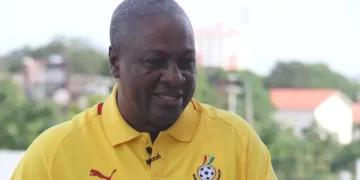








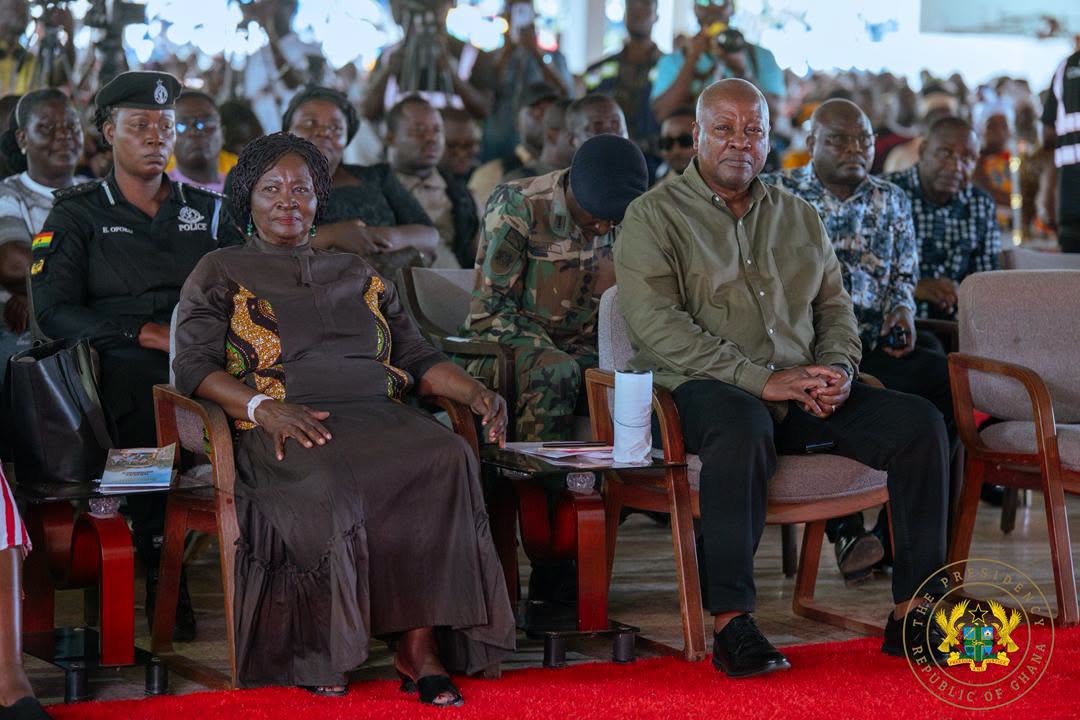
President John Dramani Mahama has launched the construction of a new 24-Hour Economy Market at Assin Bereku as part of efforts to boost economic activity and improve livelihoods in the Central Region during the latest leg of the nationwide #ResettingGhana Tour.
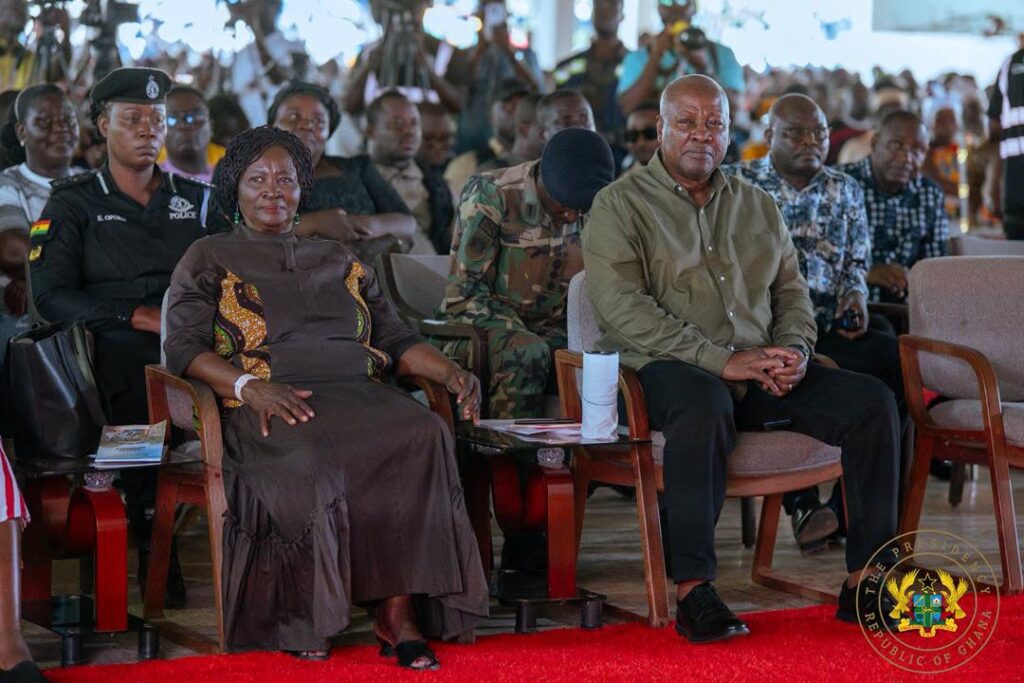
Accompanied by Vice President Professor Jane Naana Opoku-Agyemang, President Mahama engaged residents across the region, highlighting his administration’s progress in infrastructure, healthcare, education, governance and economic transformation while outlining plans to accelerate development.
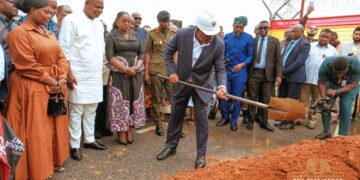
The President performed the sod-cutting ceremony for the Assin Bereku 24-Hour Economy Market, describing the project as a major step towards creating jobs, supporting local businesses and promoting round-the-clock commercial activities under the government’s flagship economic agenda.
During the tour, President Mahama also inspected ongoing road construction projects aimed at improving connectivity and facilitating trade within the region. He further inaugurated a Community-based Health Planning and Services (CHPS) compound to strengthen primary healthcare delivery and presented Free Primary Healthcare kits to support quality healthcare services at the community level.
As part of activities to promote Ghana’s tourism sector, the President visited Cape Coast Castle, reaffirming his administration’s commitment to preserving the country’s rich historical heritage while leveraging tourism as a driver of economic growth.
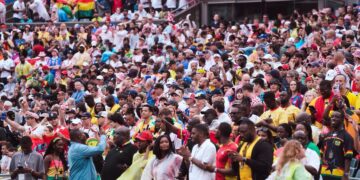
The Central Region leg of the #ResettingGhana Tour concluded with a Citizens’ Engagement Town Hall meeting in Apam, where President Mahama accounted for his administration’s achievements and outlined plans to attract investment, create sustainable jobs and improve living standards.
The interactive forum also provided residents with the opportunity to directly engage the President, raising concerns and sharing their aspirations for the continued development of their communities.
President Mahama said the #ResettingGhana Tour remains a platform for strengthening the relationship between government and citizens while ensuring that development priorities reflect the needs of Ghanaians across the country.