















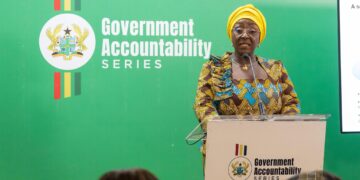




















Deputy Presidential Spokesperson Shamima Muslim has challenged Ghanaian newspaper publishers to rethink their business models and embrace new forms of journalism to remain relevant in an increasingly digital media environment.
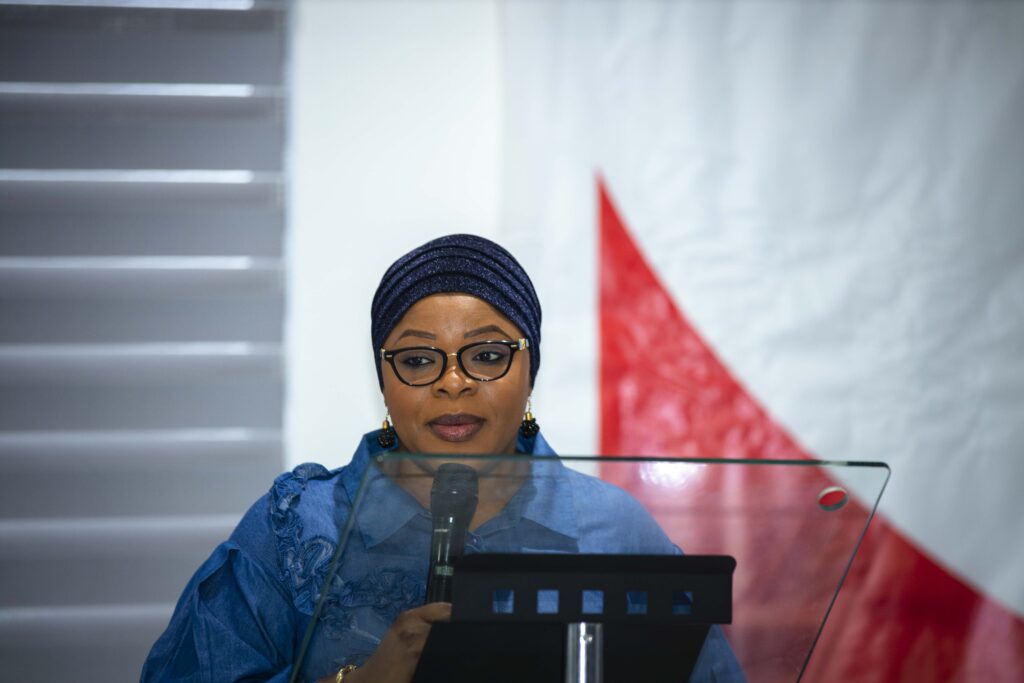
She said the future of print journalism should not be defined solely by the production and distribution of physical newspapers but by the ability of media organisations to provide trusted, specialised and valuable knowledge.
Ms Muslim made the call at a capacity-building workshop on “Responsible Security Reporting” for members of the Private Newspapers and Online News Publishers Association of Ghana (PRINPAG).
The workshop was held under the theme “Media as a Strategic Partner in Preventive Security and Early Warning in Ghana.”
Speaking on behalf of the Minister for Government Communications, Felix Kwakye Ofosu, she acknowledged the significant contribution of Ghana’s print media to the country’s political and democratic development.
She cited newspapers including the Ashanti Pioneer, Accra Evening News, Legon Observer and Daily Graphic as publications that had played important roles in shaping public debate and contributing to Ghana’s democratic development.
She said the media had also contributed to Ghana’s return to constitutional rule in 1992, advocacy for the Right to Information Act, peace journalism, anti-corruption investigations and public health campaigns.
However, Ms Muslim expressed concern about the difficulties confronting the print media industry, including declining circulation, falling advertising revenue, competition from digital platforms and increasing production costs.
She said newspapers were no longer the dominant source of information for many Ghanaians, with social media platforms increasingly determining what audiences saw and discussed.
She identified credibility as one of the biggest challenges facing professional journalism in the digital era.
With almost anyone able to publish information using a smartphone, she said professional journalists were increasingly competing with rumours, unverified claims and sensational content.
She argued that this challenge presented an opportunity for newspapers to distinguish themselves through credibility and specialised knowledge.
Ms Muslim proposed several potential areas for new revenue streams, including analytical security editions, paid electronic newspapers and newsletters, digitised newspaper archives and specialised events involving traditional leaders, security institutions, civil society organisations and other stakeholders.
She said newspaper archives could become valuable national resources, particularly because decades of reporting on conflicts such as those in Bawku and Yendi could provide data useful for understanding and predicting future conflicts.
“The future of print is not paper, it is trust-based knowledge,” she said.
She further urged PRINPAG and the National Security Secretariat to strengthen their partnership to improve security reporting and early warning.
She said the media had an important role to play in exposing wrongdoing, highlighting neglected grievances, challenging disinformation and holding institutions accountable.
Ms Muslim concluded by urging journalists to consider the historical record they were creating for future generations.
She said print journalism must evolve from simply producing newspapers into becoming an important partner in early warning and preventive security.
“Print must not die. It must evolve, from newspaper to early warning partner,” she said.