





















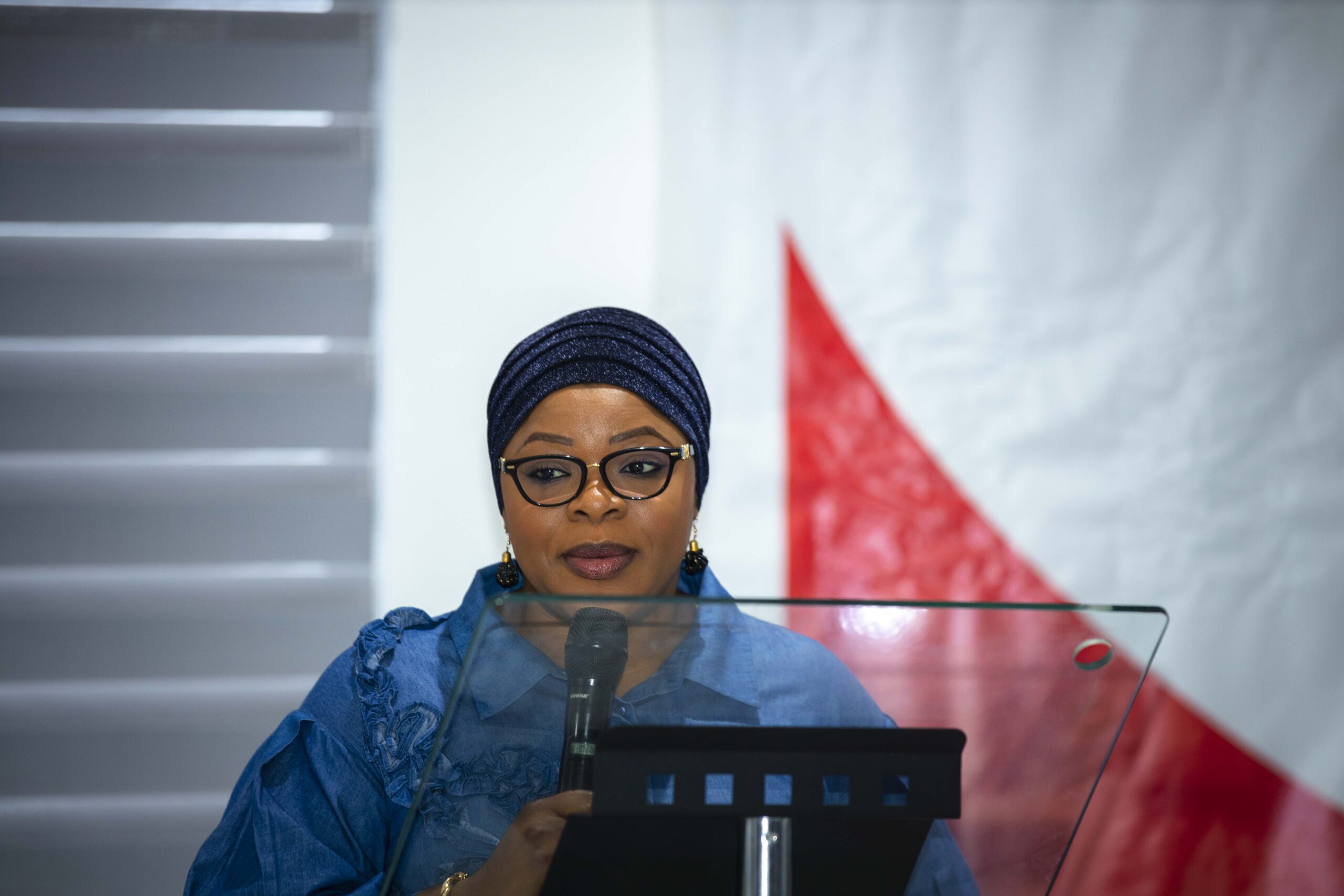
Communications and governance advocate Shamima Muslim has urged Ghana’s media to take a more active role in protecting the country’s peace, democratic institutions and constitutional freedoms.
She believes the changing media landscape requires journalists and media organisations to do more than report events, arguing that the media can contribute significantly to early warning, public education and national stability.
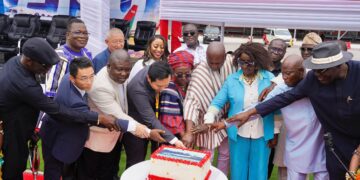
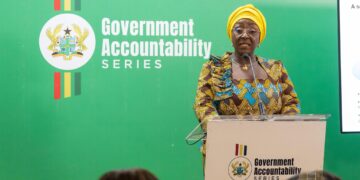
Ms. Muslim made the remarks at a capacity-building workshop organised by the Private Newspapers and Online News Publishers Association of Ghana (PRINPAG) in partnership with the National Security Secretariat at the Platinum Bay Hotel in Ga East, Greater Accra.
She said the relationship between the media, government and national security institutions needed to be strengthened through greater trust, understanding and professional engagement.
According to her, Ghana’s information environment is evolving rapidly, making it increasingly important for journalists to provide the public with accurate and verified information, particularly during periods of heightened tension.
She challenged media practitioners to consider the broader impact of their work, especially when reporting on issues capable of creating fear, confusion or division within society.
Ms. Muslim also argued that traditional print media still has an important role to play despite the growth of digital platforms.
Rather than viewing the decline of newspapers as the end of print journalism, she said the industry should adapt to the new information environment and position itself as a credible source of information and an early-warning partner.
“Print has not died. It must evolve from newspaper to an early warning partner,” she stated.
She further called for a balance between the media’s constitutional responsibility to hold institutions accountable and the need to protect sensitive national interests.
In her view, journalists must be able to investigate and report without intimidation, while national security institutions should also be able to perform their duties without unnecessary exposure.
Ms. Muslim said citizens must have access to credible information and be allowed to express legitimate criticism without such freedoms being exploited to deepen divisions.
She described the partnership between PRINPAG and the National Security Secretariat as an important step towards improving relations between the media and security institutions.
She expressed the hope that the engagement would help build stronger professional relationships and create channels through which both sides could better understand their respective responsibilities.
The governance advocate also reminded journalists of the influence they wield through newspapers, radio, television, cameras and digital platforms.
She urged them to use that influence carefully, particularly when covering issues that could affect public confidence and national cohesion.
According to Ms. Muslim, responsible journalism is especially critical during times of crisis because escalating conflict ultimately affects everyone.
“No one wins in times of war,” she cautioned.
She therefore encouraged media practitioners to remain committed to accuracy, professional ethics and the protection of constitutional freedoms while keeping the peace and security of Ghana in mind.
She further connected the responsibility of the media to President John Dramani Mahama’s broader call for a national reset, saying the renewal should extend beyond the economy and politics to journalism and national security.
Ms. Muslim said Ghana could strengthen its democratic future by building institutions that value truth, trust, accountability and responsible communication.
She urged participants at the workshop to leave with a renewed appreciation of the role they play in shaping public discourse and protecting the country’s democratic gains.
The PRINPAG-National Security Secretariat workshop forms part of efforts to enhance the capacity of media practitioners while promoting constructive engagement between independent media organisations and national security institutions.