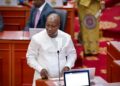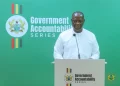


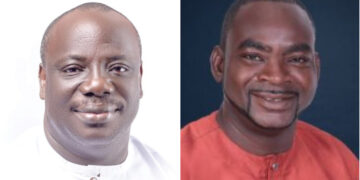

























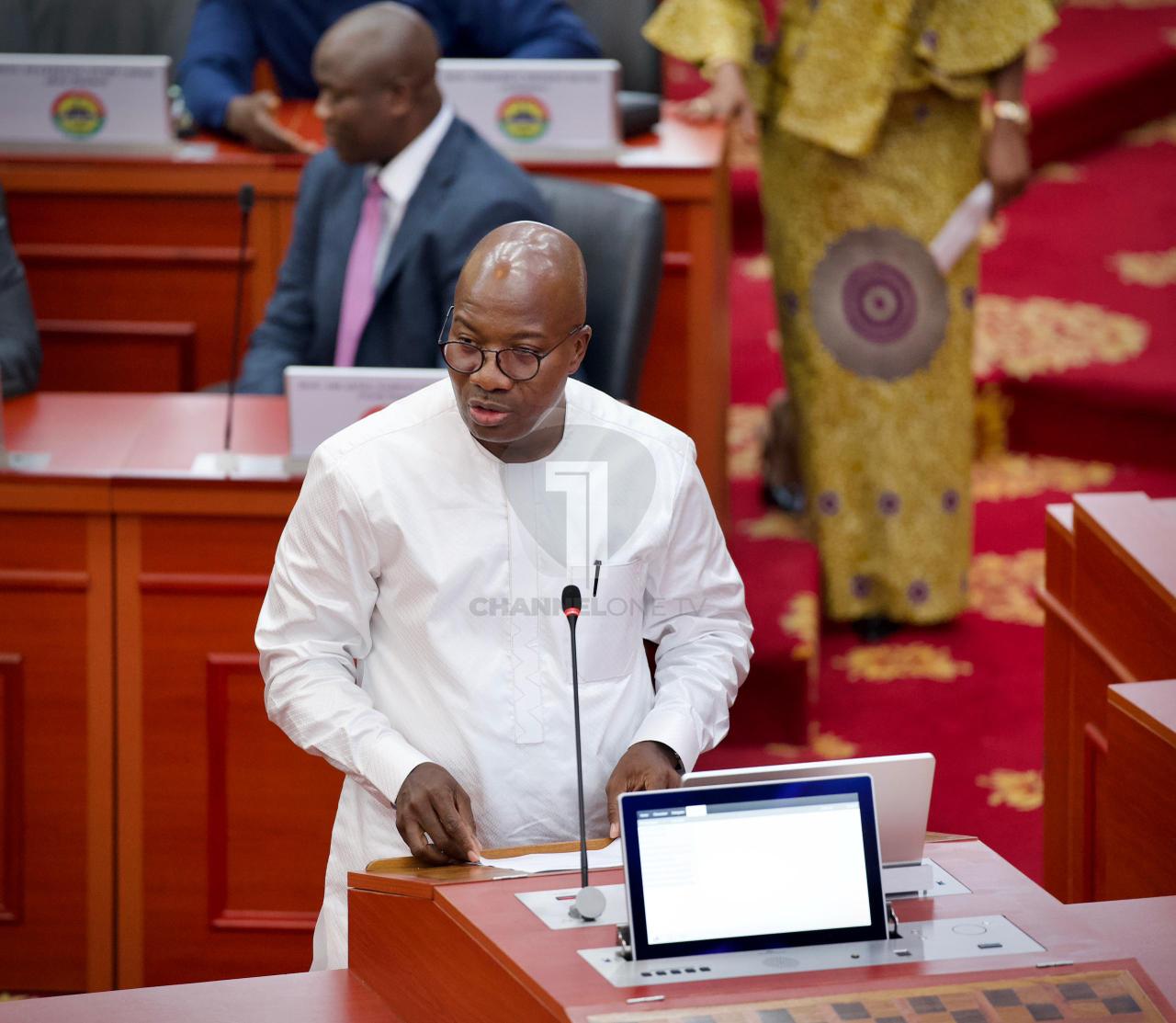
Majority Leader Mahama Ayariga has indicated that Parliament is unlikely to declare the seat of the Member of Parliament for Asante Akyem North, Kwame Ohene Frimpong, vacant despite his prolonged absence from parliamentary proceedings, arguing that his absence is due to circumstances beyond his control.
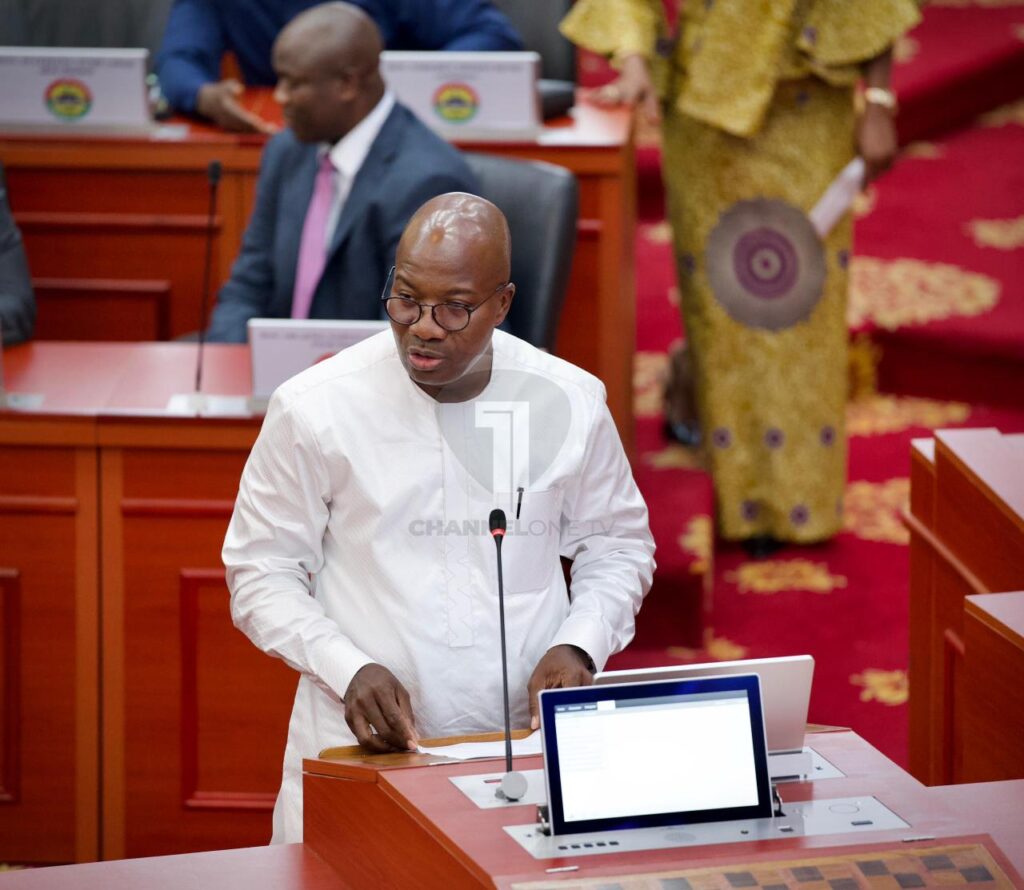
The issue has come under public scrutiny following the arrest of Mr. Frimpong at Schiphol Airport in Amsterdam on May 8 over allegations of money laundering and romance scam-related offences.
His continued absence from Parliament has sparked debate over the application of Article 97(1)(c) of the 1992 Constitution, which provides that a Member of Parliament may lose their seat if they are absent from 15 consecutive sittings without the permission of the Speaker.
Speaking on Eyewitness News on Citi FM on Wednesday, July 15, Mr. Ayariga said Parliament’s longstanding practice has been to consider the circumstances surrounding an MP’s absence before invoking the constitutional provision.
According to him, the House has traditionally exercised restraint in cases where a legislator is unable to attend sittings because they have been arrested, detained or are facing prosecution.
“The practice of the House has always been that if a person is absent due to circumstances beyond the control of that person, we wait. Such as, the person is arrested and incarcerated and being prosecuted,” he said.
Mr. Ayariga maintained that an MP who is being detained against their will cannot be treated in the same manner as one who deliberately absents themselves from parliamentary business.
“The person is absent because he has been apprehended elsewhere and is being detained against his will and even if he wanted to come to Parliament, he would not be able to come,” he explained.
The Majority Leader also cautioned against adopting a rigid interpretation of the constitutional provision based solely on the number of missed sittings.
He warned that automatically declaring an MP’s seat vacant because they had been detained could create a dangerous precedent that may be exploited through politically motivated arrests or unfounded criminal charges.
“If we allowed that precedent, what will happen is that an MP is arrested on the basis of trumped-up charges and then after 15 days, I will say his seat is vacant,” he stated.
Mr. Frimpong’s arrest has generated significant public and political interest, with legal and constitutional experts closely watching how Parliament will handle the matter should his absence continue.
The Speaker of Parliament has not yet made any formal pronouncement on whether Article 97(1)(c) will be invoked in relation to the Asante Akyem North legislator.