
































Government has officially scrapped the remaining diesel fuel price relief of GH¢1.07 per litre ahead of the second pricing window of June, which takes effect today, June 16.
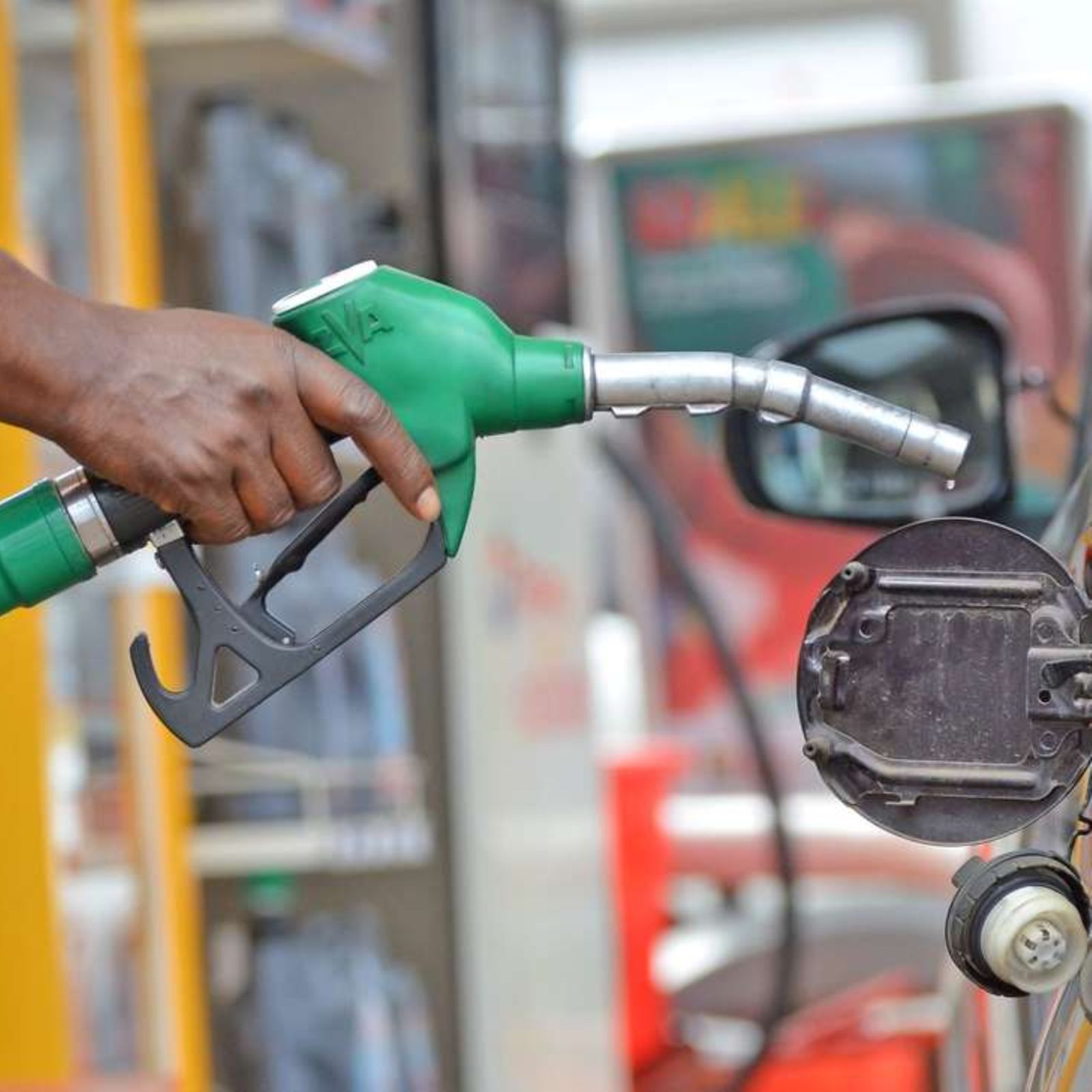
The decision brings to an end all temporary fuel price interventions introduced earlier this year to cushion consumers and businesses from rising petroleum prices triggered by tensions in the Middle East.
The relief programme, initially rolled out in April, saw government absorbing GH¢2.00 per litre on diesel and GH¢0.36 per litre on petrol. While the intervention was originally expected to last for one month, it was reviewed in May, leading to the complete withdrawal of the petrol subsidy and a reduction in diesel support to GH¢1.07 per litre.
At the time, authorities indicated that the revised diesel relief would remain in place for two pricing windows, subject to further review. However, sources have now confirmed that the intervention has been fully withdrawn ahead of the latest pricing window.
The removal of the subsidy comes as consumers prepare for another round of fuel price reductions. Petrol prices are projected to decline by 9.3 percent, while diesel prices are expected to drop marginally by 1.7 percent.
According to the Chamber of Oil Marketing Companies (COMAC), the anticipated reductions are largely driven by a sharp decline in international refined petroleum product prices—the steepest recorded since the start of 2026.
Despite the expected drop, COMAC notes that the impact on diesel prices will be relatively modest due to the complete removal of the government’s intervention mechanism.
The chamber also indicated that Liquefied Petroleum Gas (LPG) prices remain constrained by existing supply agreements, which continue to lock in higher costs.
Meanwhile, global crude oil prices have been trending downward amid reports of a potential framework agreement between the United States and Iran aimed at easing geopolitical tensions in the Middle East.
The development has raised expectations of the possible reopening of the Strait of Hormuz, a key global oil shipping route, easing concerns over supply disruptions.
For import-dependent economies such as Ghana, sustained progress in these negotiations could provide further relief in domestic fuel prices as international crude and refined product costs continue to moderate.