

























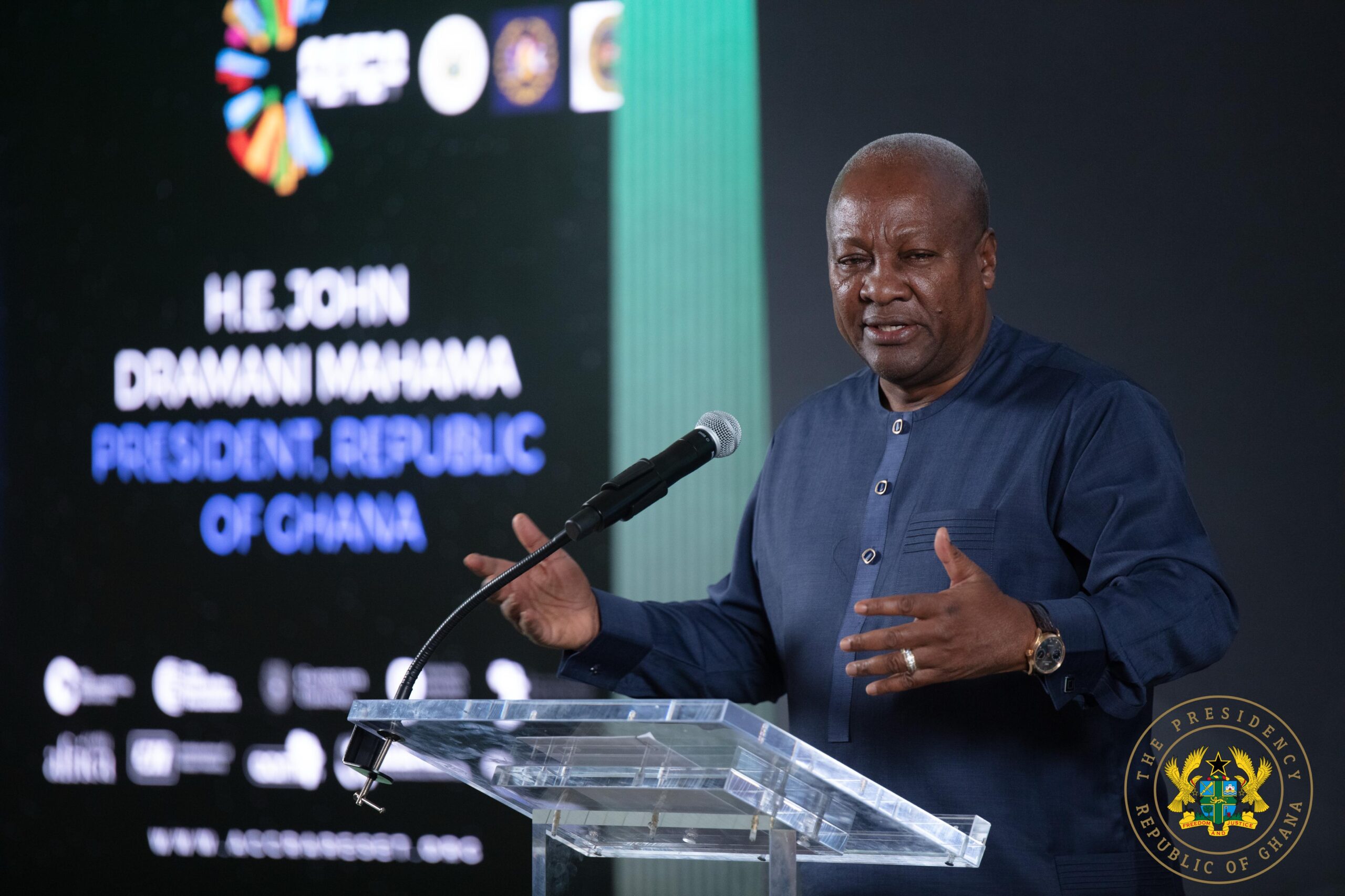
The Chancery of the Accra Reset, an African health and economic sovereignty initiative championed by President John Dramani Mahama, has announced the establishment of a high-level panel to drive reforms in global health architecture and governance.
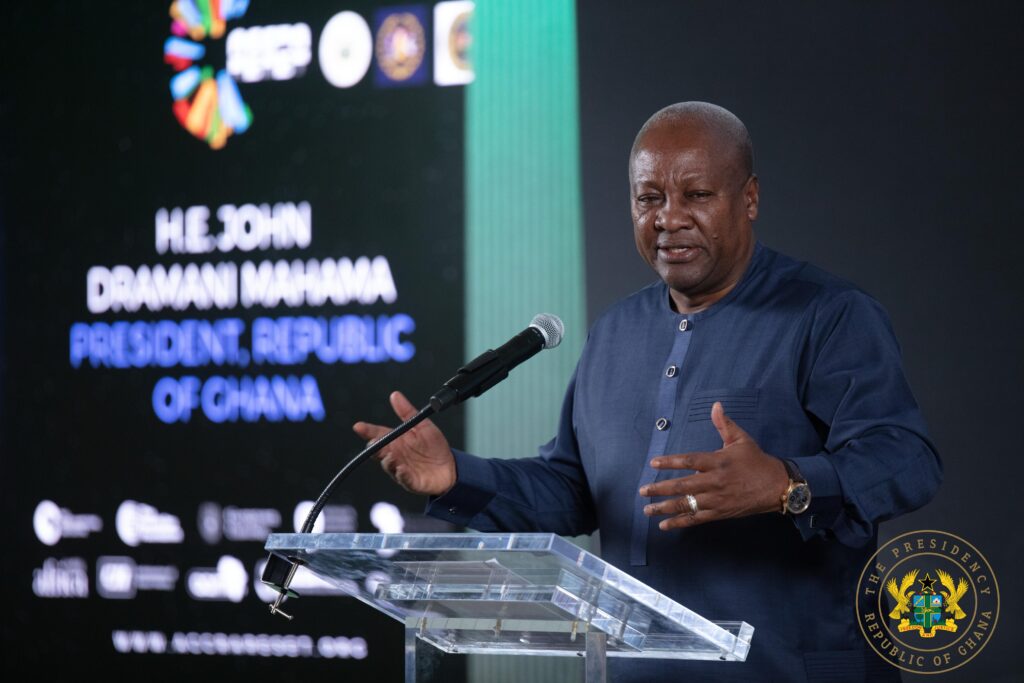
The Chancery of the Accra Reset has inaugurated an 18-member High-Level Panel tasked with developing concrete and actionable proposals to restructure the global health system, with a focus on equity, sovereignty, and inclusive decision-making.
The initiative seeks to challenge longstanding global health structures that have often positioned countries in the Global South as passive recipients, rather than active participants with the authority to shape policies that affect their populations.
The panel is co-chaired by globally respected figures, including Peter Piot, El Hadj As Sy, Nísia Trindade, and Budi Gunadi Sadikin.
According to the Chancery, the panel’s mandate is to produce practical reforms that will redefine global health governance, ensuring that developing countries are treated as sovereign actors with a voice in shaping international health policies.
To support its work, the panel will be guided by a High-Level Consultative Group, which will facilitate structured engagement with key global institutions, including the World Health Organization, the World Trade Organization, the Global Fund to Fight AIDS, Tuberculosis and Malaria, the Africa Centres for Disease Control and Prevention, AUDA-NEPAD, and the International Finance Corporation.
The panel is expected to commence work immediately, with its terms of reference to be refined and adopted through contributions from major global platforms, including the World Health Assembly and the United Nations General Assembly.
Former Executive Director of UNAIDS, Michel Sidibé, has been appointed as Special Advisor to the panel and Envoy of the Co-Chairs. He is expected to leverage his extensive experience within global health systems to guide the reform process.
The panel brings together a diverse group of policymakers, academics, and global health experts from across Africa, Asia, Europe, and the Americas. Members include Nigeria’s Health Minister, Muhammad Ali Pate, public health researcher Catherine Kyobutungi, global health advocate Soumya Swaminathan, and John Nkengasong, among others.
Other members represent institutions spanning investment, academia, and technology, reflecting a multidisciplinary approach to rethinking global health systems.
The High-Level Consultative Group includes prominent global leaders such as Tedros Adhanom Ghebreyesus, Ngozi Okonjo-Iweala, and Winnie Byanyima, who will provide strategic guidance and ensure alignment with existing global health frameworks.
The Accra Reset initiative forms part of broader efforts to reposition Africa and other developing regions as central actors in shaping global systems that impact their development outcomes.
Full Membership of the High-Level Panel
Co-Chairs
Peter Piot – Former Director-General, UNAIDS; Professor, London School of Hygiene & Tropical Medicine
El Hadj As Sy – Chair, Kofi Annan Foundation; Former Under-Secretary-General, United Nations
Nísia Trindade – Minister of Health, Brazil; President Emerita, Fiocruz
Budi Gunadi Sadikin – Minister of Health, Republic of Indonesia
Panel Members
Muhammad Ali Pate – Minister of Health, Nigeria
Catherine Kyobutungi – Executive Director, African Population and Health Research Center (APHRC)
Magda Robalo – President & Co-Founder, Institute for Global Health and Development (IGHD); Co-Chair, UHC2030
Precious Matsoso – University of Witwatersrand; Co-Chair, WHO Pandemic Treaty Negotiations (INB)
James Mworia – Group Chief Executive Officer, Centum Investment Company PLC
Moustapha Cissé – Founder, Google Africa’s First AI Lab
Yik Ying Teo – Dean, Saw Swee Hock School of Public Health, National University of Singapore
Soumya Swaminathan – Chair, M.S. Swaminathan Research Foundation; Former Chief Scientist, WHO
Hajime Inoue – Assistant Minister for Global Health and Welfare, Japan; Former Deputy Director-General, WHO
Eduardo Banzon – Director of Health, Asian Development Bank
Antonio Rabici Lalabalavu – Minister of Health, Republic of Fiji
Paulo Esteves – Associate Professor, Pontifical Catholic University of Rio de Janeiro; Director, BRICS Policy Center
Carla Vizzotti – Former Minister of Health, Argentina
Maha Barakat – Director-General, Frontline Heroes Office; Chair, Roll Back Malaria
Mark Dybul – Professor, Department of Medicine, Georgetown University
John Nkengasong – Executive Director, Mastercard Foundation; Former Director, Africa CDC
Gunilla Carlsson – Former Minister for International Development Cooperation, Sweden
Hafou Touré – Founder & Chief Executive Officer, HTS Partners
Special Advisor to the High-Level Panel
Michel Sidibé – Special Advisor and Envoy of the Co-Chairs; Former Executive Director, UNAIDS; Former Minister of Health, MaliHigh-Level Consultative Group
Tedros Adhanom Ghebreyesus – Director-General, World Health Organization (WHO)
Ngozi Okonjo-Iweala – Director-General, World Trade Organization (WTO)
Peter Sands – Executive Director, Global Fund to Fight AIDS, Tuberculosis and Malaria
Sania Nishtar – Physician; Former Senator, Pakistan
Delese Mimi Darko – Director-General, African Medicines Agency
Jean Kaseya – Director-General, Africa Centres for Disease Control and Prevention
Nardos Bekele-Thomas – Chief Executive Officer, AUDA-NEPAD
Mohamed Awad Tag El Din – Advisor to the President on Health and Prevention Affairs, Egypt
Jiho Cha – Member of Parliament, Republic of Korea
Ayoade Alakija – Chairperson, FIND
Makhtar Diop – Managing Director, International Finance Corporation (IFC)
Winnie Byanyima – Executive Director, UNAIDS
Amma Twum-Amoah – AU Commissioner for Health, Humanitarian Affairs and Social Development
Priya Basu – Executive Head, The Pandemic Fund