
























President of the Private Newspapers and Online News Publishers Association of Ghana (PRINPAG), David Tamakloe, has rejected claims that traditional journalism is becoming irrelevant because of the rapid growth of social media and other digital platforms.
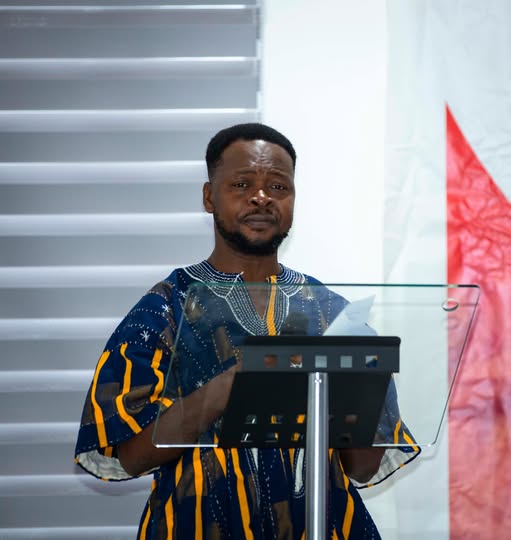
He said journalism remained a critical institution in society and cautioned against equating the unregulated flow of information on social media with professional journalism.
Mr Tamakloe made the remarks in his welcoming address at a capacity-building workshop on “Responsible Security Reporting” held at the Platinum Bay Hotel at Abokobi, Accra, on August 29, 2026.
He argued that while the media landscape had changed significantly because of technology, the fundamental principles of journalism — accuracy, accountability, ethics and responsibility — remained essential to democratic society.
According to him, the growth of social media should not be used as a reason to abandon or undermine professional journalism.
He said journalism had historically played a crucial role in exposing wrongdoing, defending vulnerable people and documenting events that shaped societies.
Mr Tamakloe therefore called for greater investment in the traditional and private media to enable journalists and media organisations to adapt to changing circumstances while maintaining professional standards.
He also advocated appropriate regulation of the media environment, stressing that such measures should protect the integrity of journalism without undermining freedom of expression.
He said a strong and independent press required both adequate resources and a commitment by journalists to ethical conduct.
The PRINPAG President noted that the association had been supporting the private press for decades and had contributed to maintaining professional standards within the industry.
He said PRINPAG had existed since 1991 and had served as a platform for peer review, professional development and advocacy for the private press, even before the establishment of Ghana’s Fourth Republic under the 1992 Constitution.
Mr Tamakloe said the current challenges confronting the media required stronger cooperation among media associations, government institutions, security agencies and other stakeholders.
He was particularly concerned about the financial difficulties facing sections of the private media, arguing that under-resourced media organisations could struggle to fulfil their democratic responsibilities effectively.
“Funding, through regulation, and through partnership” were, according to him, necessary to strengthen the media and enable journalists to perform their duties effectively.
He, however, challenged journalists to match institutional support with personal integrity.
He urged media practitioners to ensure that their reporting, especially on security-related issues, did not unnecessarily inflame tensions or undermine national cohesion.
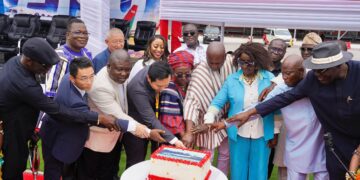
The workshop, organised in collaboration with the National Security Council Secretariat, is being held under the theme “Media as a Strategic Partner in National Security.”
It is aimed at enhancing the capacity of private newspaper and online news publishers to report responsibly on contemporary security issues.
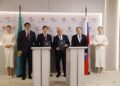
The event brought together the National Security Coordinator, COP Razak Osman, Deputy National Security Coordinator Major General Rtd Ayamdo, Deputy Minister for Government Communications Shamima Muslim, senior lecturer Lawyer Zakaria Tanko Musa, representatives of the Cyber Security Authority, security officials, journalists and media executives.