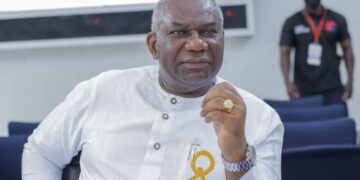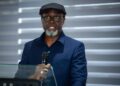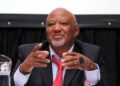







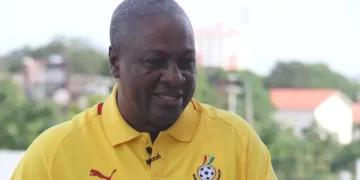






Former National Chairman of the New Patriotic Party (NPP), Paul Afoko, has firmly denied any involvement in the death of the party’s late Upper East Regional Chairman, Adams Mahama, while urging members of the party to unite ahead of its upcoming National Delegates Conference.
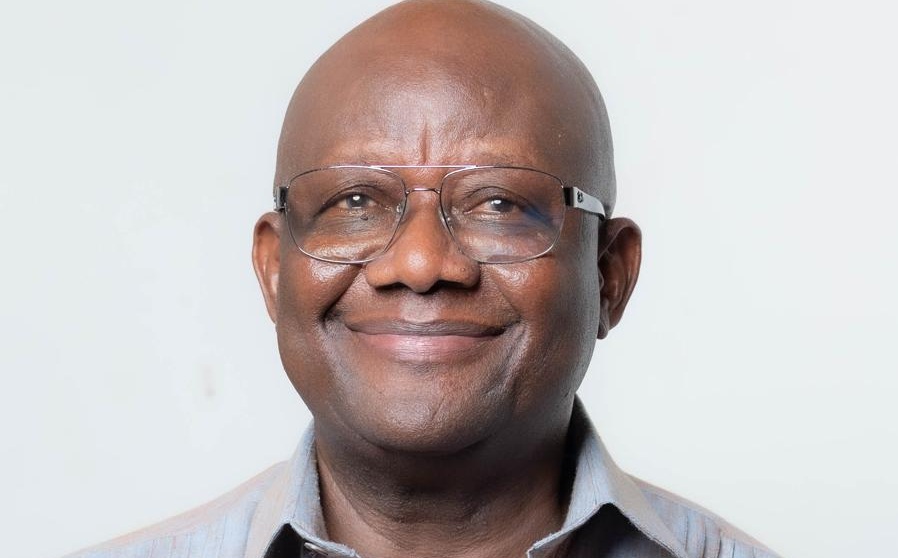
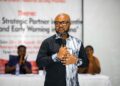
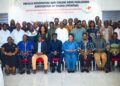
Speaking during a consultative meeting with party members in Bolgatanga on Tuesday, June 23, 2026, as part of his nationwide stakeholder engagement tour, Mr. Afoko stated categorically that neither he nor any member of his family played a role in the circumstances leading to the death of the late regional chairman.
“Our late Regional Chairman, Adams, I can stand here today and tell you that I had no hand in what happened to him. My family had no hand in what happened to him,” he said.
Adams Mahama died in 2015 after suffering severe injuries from an acid attack at his residence in Bolgatanga, a case that drew widespread national attention and triggered extensive investigations and court proceedings.
Addressing lingering perceptions surrounding the incident, Mr. Afoko described allegations linking him or his family to the killing as unfounded. He noted that the Afoko and Mahama families share longstanding historical and traditional ties, making such claims difficult to accept.
“We allowed people to come and play games with us. But I want to state clearly that neither my family nor I had anything to do with the death of Adams Mahama,” he reiterated.
Mr. Afoko indicated that the tragic incident contributed significantly to divisions within the NPP and stressed the need for reconciliation among party members. He called on party faithful to focus on rebuilding trust and strengthening internal unity as the party prepares for future electoral contests.
The consultative engagements form part of his broader nationwide outreach campaign as he seeks support for his bid to return as National Chairman of the party.
During the meeting, Mr. Afoko also outlined aspects of his vision for the NPP, including strengthening grassroots structures and enhancing the role of polling station executives in decision-making processes.
He urged members to set aside their differences and work collectively toward building a stronger and more united party capable of addressing future political challenges.