

































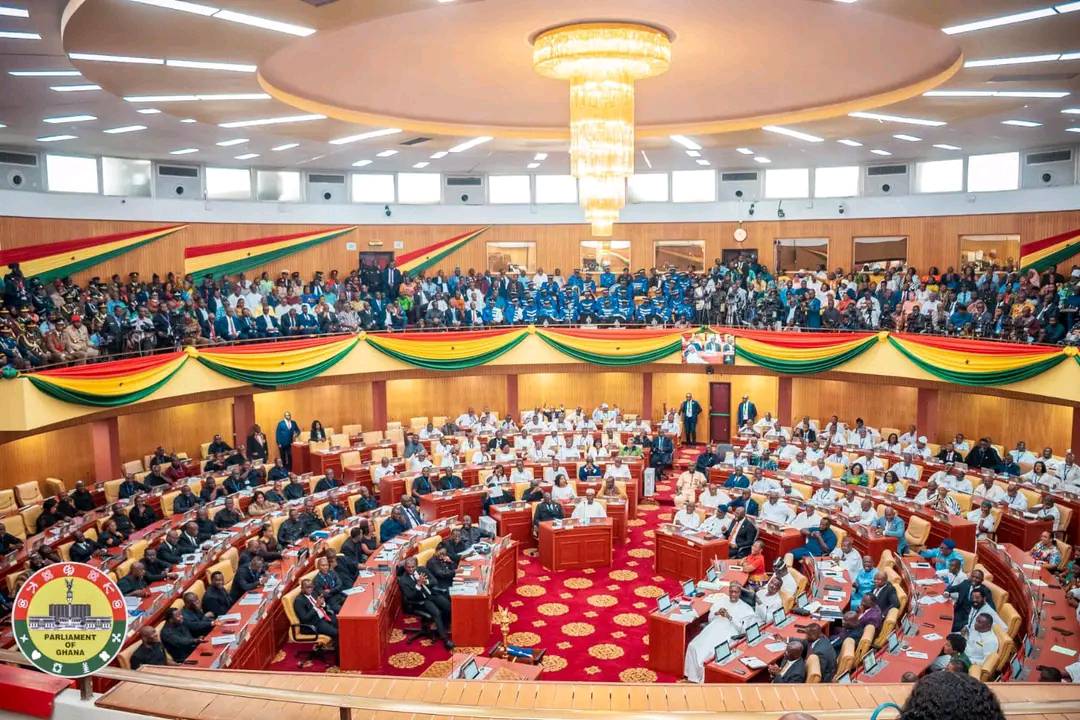
Human Sexual Rights and Family Values Bill, 2025, a highly debated piece of legislation that seeks to criminalise activities associated with LGBTQ individuals, while introducing a number of notable exemptions.
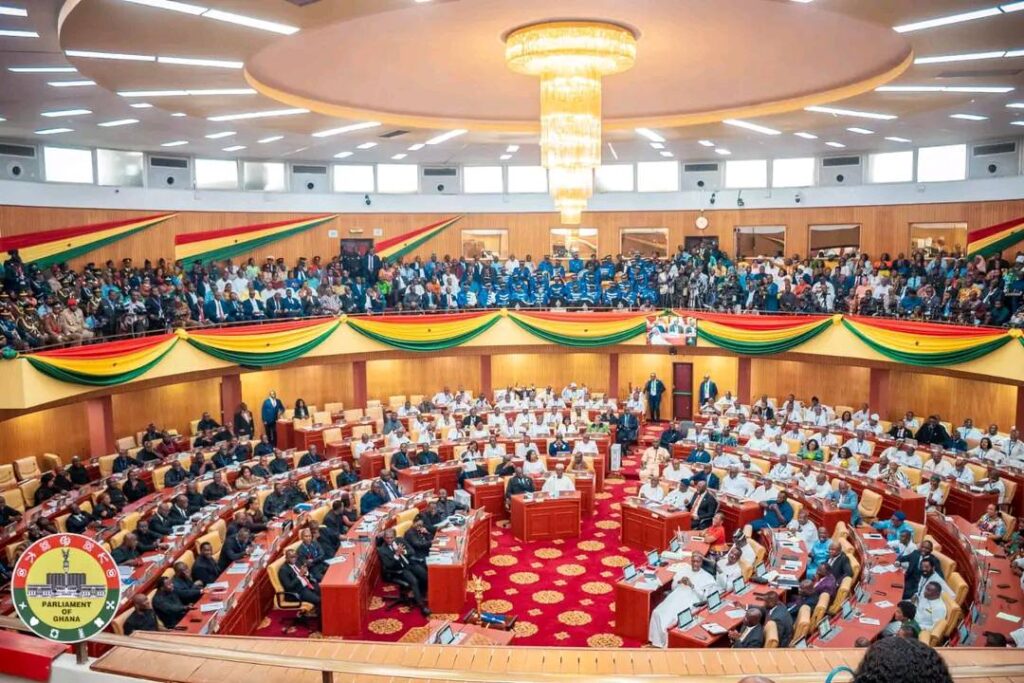
The bill, widely referred to as the anti-gay bill, was passed following deliberations that saw lawmakers adopt amendments aimed at shielding certain groups from prosecution under the law. These revisions ensure that legal practitioners who offer counsel or representation to individuals identified as LGBTQ will not face penalties.
Additionally, journalists and media organisations covering LGBTQ-related issues as part of their professional responsibilities have been exempted. Medical practitioners—including doctors, psychologists, and counsellors—providing care or support services to LGBTQ persons are also protected under the amended provisions.
Despite these changes, the legislation faced strong resistance from the Minority Caucus, who argued that the introduction of exemptions highlights fundamental weaknesses in the original bill. According to them, the earlier version submitted to former President Nana Addo Dankwa Akufo-Addo was incomplete and raised serious legal and human rights concerns.
Minority members maintained that the amendments, rather than resolving the bill’s issues, underscore its inconsistencies and potential for selective application. They cautioned that the law, even in its revised form, could have broader implications for civil liberties and Ghana’s international reputation.
Nevertheless, the Majority pushed the bill through Parliament, marking a significant step in what has been a prolonged and polarising legislative process. The passage of the bill is expected to reignite public debate and draw reactions from both domestic stakeholders and the international community.
The next step will depend on executive consideration, as attention now turns to whether the bill will receive presidential assent or face further scrutiny.