





























President John Mahama has officially introduced a new Free Primary Healthcare programme, a major policy move aimed at improving access to essential health services across Ghana.
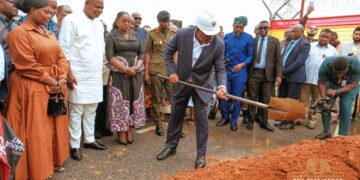
The launch took place on Wednesday, April 15, at the Shai Osudoku District Hospital, where the President outlined plans to bring healthcare closer to underserved populations and strengthen the country’s path toward universal health coverage.
The initiative, projected to cost about GH¢1.2 billion each year, will initially cover 150 districts identified as lacking adequate healthcare services. This first phase is expected to lay the groundwork for broader nationwide implementation.
As part of the rollout, beneficiary districts will receive essential medical equipment to improve service delivery. Authorities also plan to intensify public education through community meetings and stakeholder engagements, while trained volunteers will be deployed to support frontline health workers.
In an effort to make care more accessible, the programme will introduce over 350 container-based service points. These facilities will be strategically located in busy areas such as markets and transport hubs, allowing people to access basic healthcare services more conveniently.
Addressing attendees at the event, President Mahama emphasized that the programme is designed to reinforce—not replace—existing systems like the National Health Insurance Scheme. He noted that while the NHIS has made significant strides, gaps in coverage still leave many communities without adequate care.
According to him, the new policy is structured to complement the NHIS under the supervision of the National Health Insurance Authority, with a specific focus on strengthening primary healthcare services.
He encouraged citizens to continue enrolling in the NHIS, stressing that both systems will work together to improve healthcare delivery, particularly as more advanced services will still rely on the insurance framework.
Government officials say the initiative represents a deliberate effort to bridge long-standing disparities in the healthcare system, ensuring that more Ghanaians—especially those in remote areas—can access essential medical care without financial barriers.