


































MTN Ghana’s decision to award GHS150,000 in grants to five small and medium-sized enterprises (SMEs) through its World MSME Day Business Pitch competition has been widely welcomed as a step towards supporting entrepreneurship and job creation.
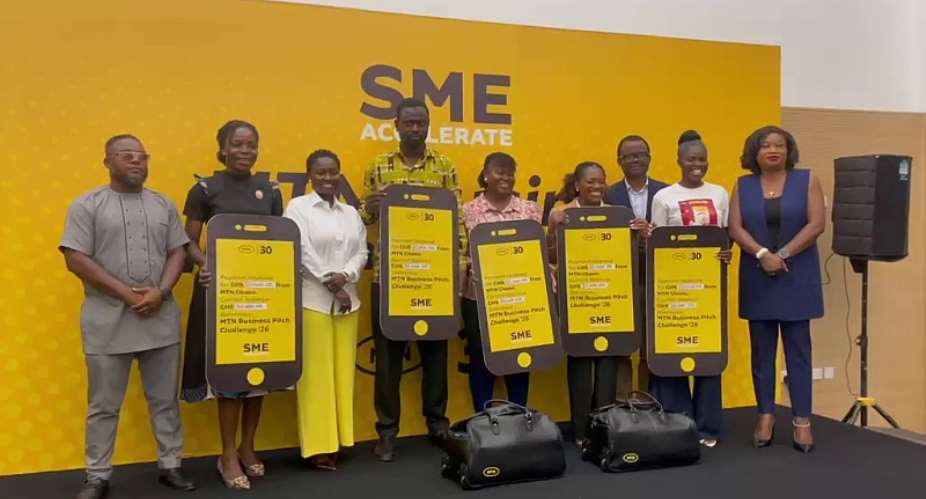
The initiative, organised under MTN Business’ SME Accelerate Programme, provided financial support, digital tools and training opportunities to selected Ghanaian businesses. While the programme demonstrates corporate commitment to helping entrepreneurs grow, some observers argue that there are important concerns about the wider impact and sustainability of such interventions.
One major concern is the size of the financial support compared with the challenges facing many SMEs. Although the GHS30,000 grant awarded to each of the five winners can provide valuable assistance, many small businesses in Ghana operate under difficult conditions, including high production costs, inflation, limited access to credit, rising operational expenses and challenges in reaching larger markets. For some businesses, the grant may serve as a temporary boost rather than a long-term solution to their growth challenges.
Another issue is the limited number of businesses that benefit from such programmes. Ghana has thousands of SMEs across different sectors, but only a handful can win a competitive pitch event. While the selected businesses deserve recognition, critics may question whether these initiatives have enough reach to significantly transform the broader SME sector.
There are also concerns about whether pitch competitions always identify the businesses with the greatest potential. Entrepreneurs who are skilled at presenting ideas may have an advantage over others who may have strong business models but lack the confidence, communication skills or resources needed to compete effectively.
Some analysts also question whether corporate-led SME programmes focus enough on deeper challenges affecting businesses. While MTN’s digital solutions, connectivity tools and training programmes can improve efficiency, many SMEs continue to struggle with issues such as affordable financing, skilled labour shortages, supply chain difficulties, taxation pressures and limited access to export opportunities.
The role of corporate social responsibility in such programmes has also attracted attention. Although initiatives like MTN’s SME support efforts create opportunities for entrepreneurs, some critics argue that companies also benefit from increased brand visibility and public goodwill. This has led to calls for greater transparency on how these programmes contribute to lasting economic transformation beyond publicity.
There are also concerns about sustainability. Some businesses may become dependent on grants and external support instead of building strong revenue systems, expanding customer bases and attracting independent investment. For SME development to be successful, support programmes must encourage businesses to become self-sufficient and competitive.
Another area requiring attention is impact measurement. While MTN has highlighted the grants, digital tools and training opportunities provided to beneficiaries, questions remain about what happens after the support is delivered. Long-term success should be measured by factors such as business growth, job creation, increased revenue and the ability of beneficiaries to survive and expand beyond the programme.
MTN’s decision to award equal grants to the five top finalists, despite Tahir Field Recycling and Edible Treats achieving the highest scores, has also generated debate. While the move reflects an effort to support more entrepreneurs, some may argue that stronger performance in a competitive process should receive greater recognition.
Despite these concerns, MTN Ghana’s SME Accelerate Programme represents a positive effort to strengthen entrepreneurship and encourage innovation. However, experts say that grants and competitions alone cannot solve the challenges facing SMEs.
For Ghana’s entrepreneurial ecosystem to truly thrive, businesses require a wider support system that includes affordable financing, mentorship, market access, favourable policies and continuous capacity building. The real measure of success will not only be the number of grants awarded, but whether these interventions help businesses grow, create jobs and become sustainable contributors to the economy.