

































The Minister of Finance, Dr Cassiel Ato Forson, has announced plans to establish an “Auditors’ Court” as part of efforts to strengthen oversight of internal auditors and improve accountability in the management of public resources.
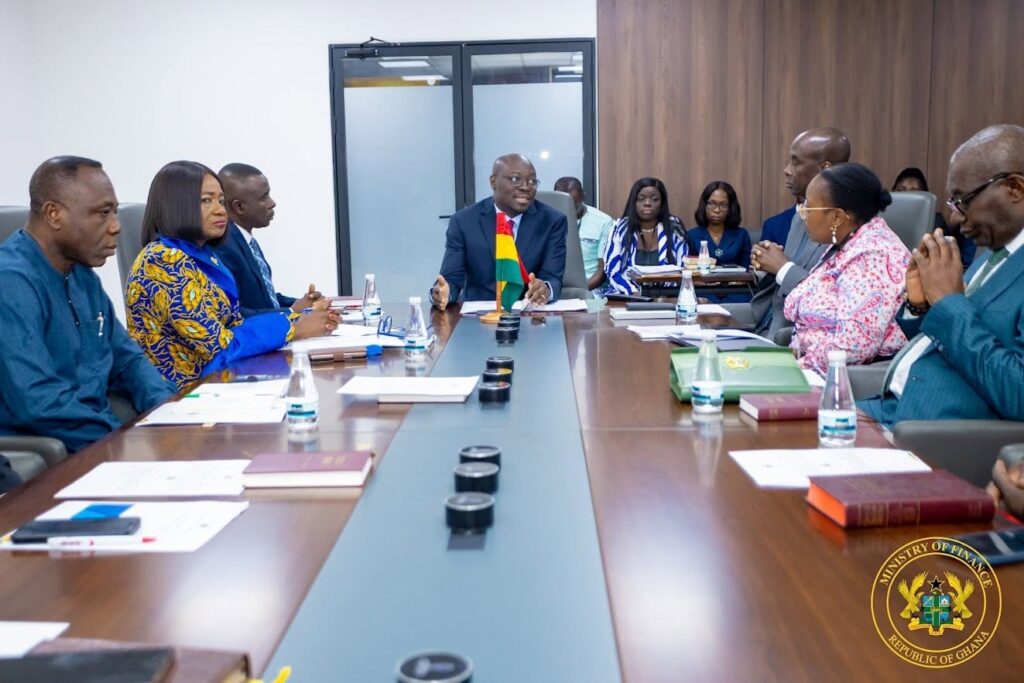
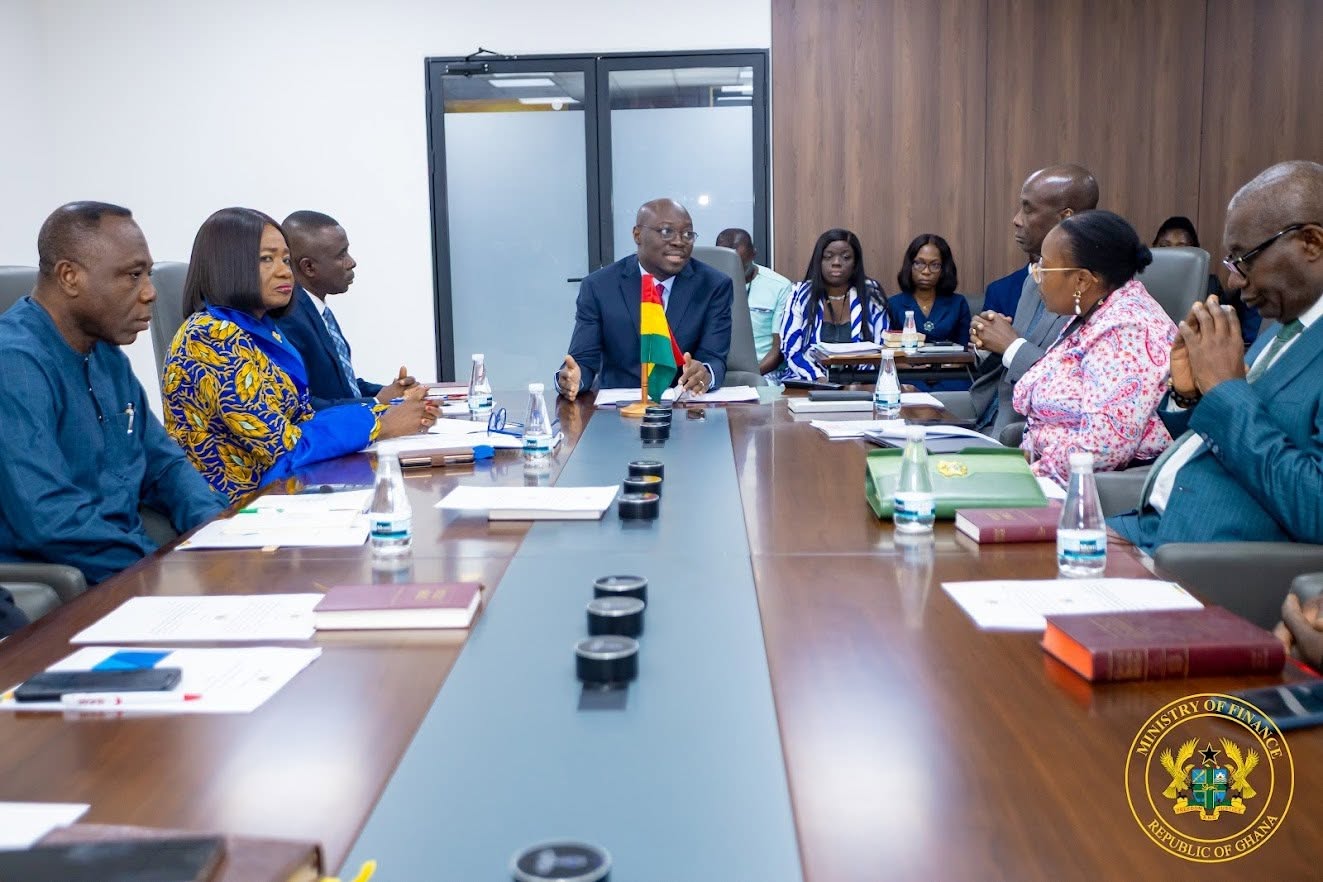
The proposal was unveiled during the inauguration of a nine-member Governing Board of the Internal Audit Agency (IAA) on Sunday, June 14, 2026, where the Minister outlined a series of reforms aimed at addressing persistent weaknesses in public financial management and reducing waste in the public sector.
According to Dr Forson, the proposed “Auditors’ Court” will serve as a mechanism to enhance supervision of internal auditors while increasing public scrutiny of their work. He explained that the initiative is intended to ensure that internal auditors are held to higher professional and ethical standards in the discharge of their duties.
He also called for stricter sanctions against auditors who fail to meet expected standards, including the possibility of licence revocation in cases of professional misconduct.
“We must turn the Internal Audit Agency around and restore it to the purpose for which it was established,” he stated.
Dr Forson noted that recurring infractions highlighted in Auditor-General’s reports reflect systemic weaknesses in the country’s accountability framework, particularly within the internal audit function. He stressed that urgent reforms are needed to ensure compliance with financial regulations and to reduce waste in public expenditure.
“The level of waste is too high, and the Ghanaian taxpayer is losing too much. We need to find a way to fix it,” he said.
He further emphasized that strengthening internal audit systems is critical to restoring public confidence in financial governance and safeguarding public funds. He assured the newly inaugurated Board of the government’s commitment to supporting reforms that will make the Internal Audit Agency more independent, effective, and impactful.
“Your success must be reflected in the Auditor-General’s report,” he told members of the Board.
The nine-member Board has been tasked with developing strategies to reposition the Agency, improve compliance, strengthen risk management systems, and enhance accountability across public institutions.
Responding on behalf of the Board, Chairperson Professor Joshua Yindenaba Abor described the appointment as a “noble call to duty” and pledged the Board’s commitment to promoting accountability and ensuring value for money in the management of public resources.