































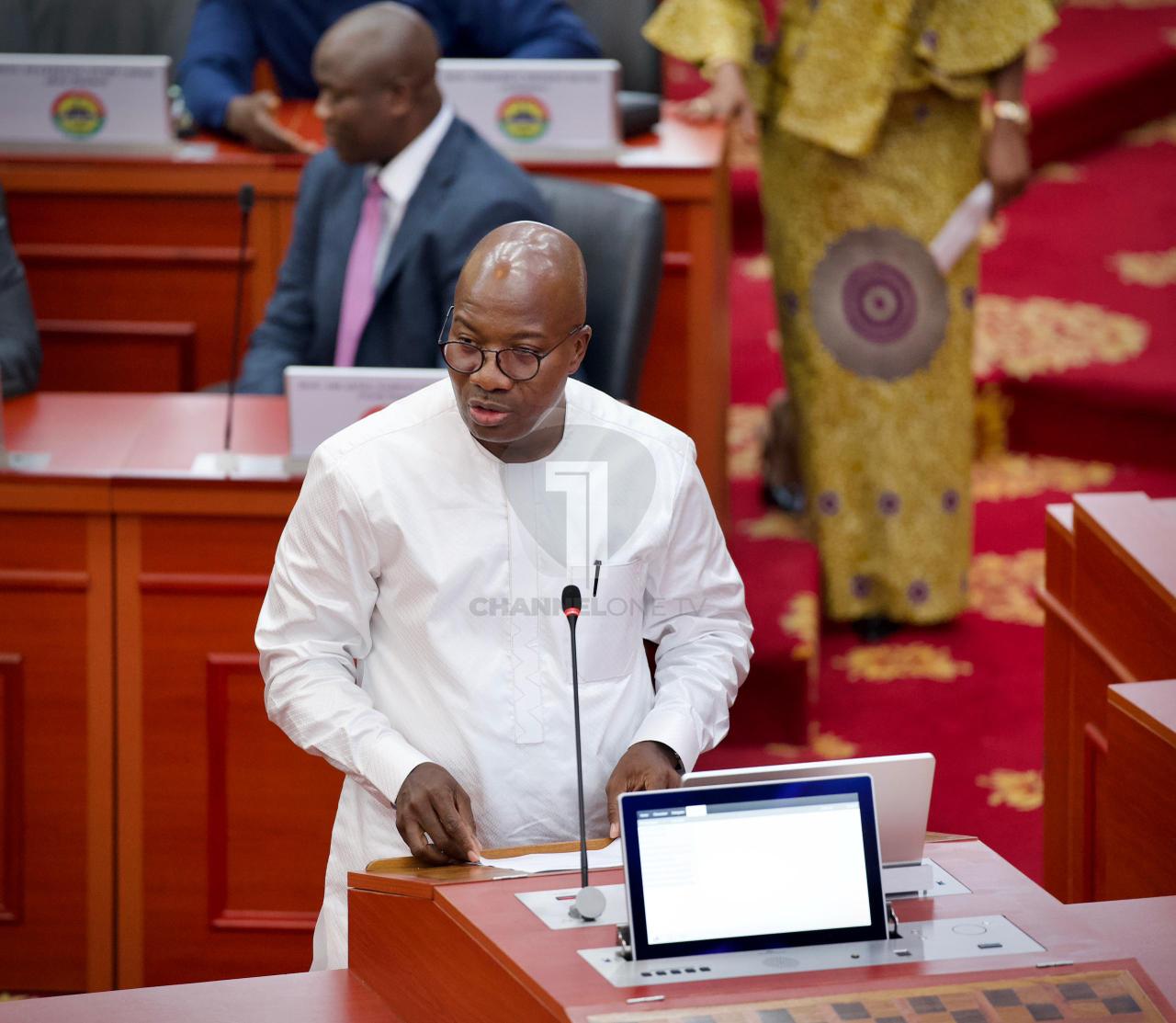
The Majority Leader in Parliament, Mahama Ayariga, has cautioned individuals who identify as LGBTQ to reconsider their conduct following the passage of the controversial Human Sexual Rights and Family Values Bill, 2025.
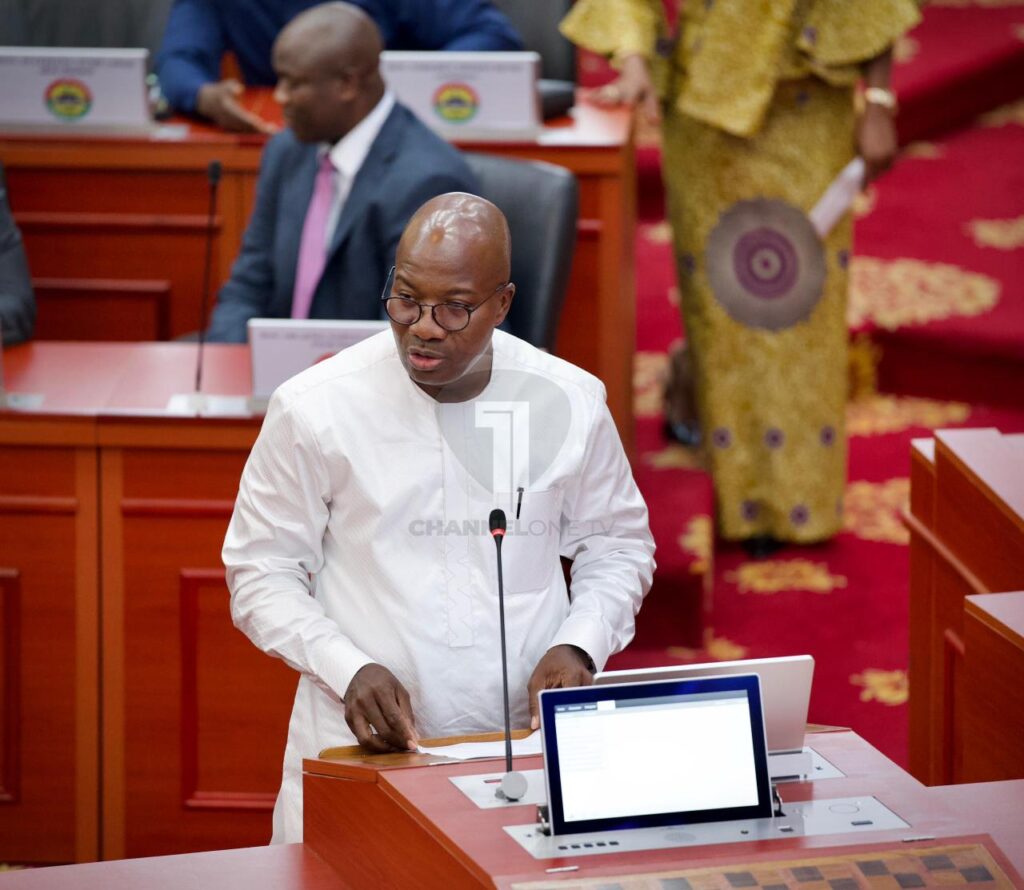
Speaking shortly after lawmakers approved the legislation on Friday, May 29, Mr. Ayariga indicated that the new law, once signed by President John Dramani Mahama, would require strict adherence from all citizens, including those engaged in same-sex relationships or related practices.
According to him, the passage of the bill marks a significant shift in the country’s legal framework on issues of sexuality and family values, stressing that compliance would not be optional once it comes into force. He maintained that individuals affected by the law would need to adjust their lifestyles to align with its provisions.
Parliament’s approval of the bill followed hours of debate and consideration of proposed amendments, reflecting deep divisions both within the House and across the country. While supporters argue that the legislation protects cultural and moral values, critics have raised concerns about human rights and personal freedoms.
Mr. Ayariga, in his remarks, underscored that enforcement would begin only after the President gives his assent, but made it clear that the intent of the law is to regulate behavior deemed inconsistent with its provisions.
Despite his strong stance, the Majority Leader also issued a firm warning against acts of violence or vigilante justice. He emphasized that the law does not permit individuals to take matters into their own hands, noting that anyone who assaults or attacks persons suspected of LGBTQ practices would face severe penalties.
His comments come amid heightened public discourse surrounding the bill, with advocacy groups, religious bodies, and civil society organizations expressing sharply differing views on its implications.
As the country awaits presidential assent, attention is now shifting to how the law will be implemented and the broader impact it may have on rights, social cohesion, and Ghana’s international relations.