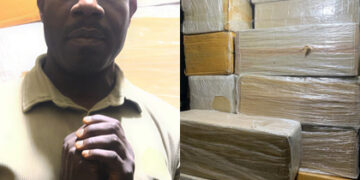

































Reports circulating within police circles indicate that 61 boxes of suspected Tramadol also known as Tramol seized during a narcotics operation may have gone missing while in the custody of the Kaneshie District Police in Accra.
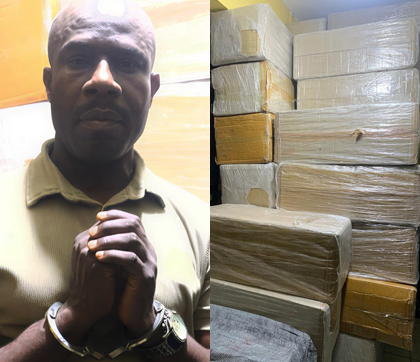
The alleged disappearance has raised questions about the handling and security of exhibits in the case, particularly after the police indicated that the large quantities of suspected narcotics were to be sent to the Police Forensic Laboratory for testing and analysis.
However, claims reaching The Herald suggest that the exhibits never left the Kaneshie District Police Station for forensic examination.
More seriously, allegations have emerged that some of the suspected tramadol was sold while in police custody, with portions of the consignments allegedly tampered with and replaced with other items.
The claims, if established, could raise serious questions about exhibit management, accountability, and the integrity of the investigation into the alleged narcotics trafficking operation.
The 61 boxes were reportedly seized following the arrest of a 52-year-old Nigerian national, Chinedu Okereke, during an operation at Odawna in Accra.
Okereke was allegedly arrested while attempting to deliver two large boxes of suspected tramadol to a customer in a hired taxi.
The arrest followed intelligence received by the Kaneshie District Commander, DSP Edward Adjei Odame, on December 2, 2025, concerning an alleged large-scale operation involving the importation and distribution of tramadol and Indian hemp.
A police situation report on the operation stated that intelligence suggested that a group of Nigerian nationals was involved in trafficking large quantities of suspected narcotics into the country.
DSP Odame, together with the Kaneshie Divisional Operations Commander, ASP Kennedy Oduro Frimpong, D/C/Ispr Solomon Aboagye, D/Sgt Prince Bio Tettey, D/L/Cpl Edward Osei Sarfo and other officers, subsequently proceeded to the Kwame Nkrumah Circle area to investigate.
The police traced the suspected operation to locations at Odawna and Asylum Down.
According to the police report, officers intercepted a hired taxi at Odawna while Okereke was allegedly transporting two large boxes of the suspected drugs to a customer.
He was arrested and taken to the Kaneshie Police Station.
Following his arrest, the police proceeded to Okereke’s residence at Asylum Down, where a search allegedly uncovered 61 large, sealed brown boxes.
The boxes reportedly contained suspected tramadol, including brands identified as Royal 250mg and Timaking 120mg.
The police also seized GH¢80,000 in cash from the suspect’s room, which was suspected to be proceeds from narcotics trafficking.
The exhibits were reportedly retained by the police as evidence.
A photograph of Okereke and the exhibits was subsequently shown to The Herald.
However, concerns have now emerged over what happened to the seized drugs after they were taken into police custody.
Sources familiar with the matter allege that some of the suspected tramadol was removed from the exhibits and sold.
There are also allegations that some of the boxes were tampered with and that other items were substituted for the suspected narcotics.
Nevertheless, the allegations have triggered questions about the whereabouts of the exhibits and whether they were properly secured and accounted for after the seizure.
Of particular concern is the police’s stated intention to send the suspected narcotics to the Police Forensic Laboratory for testing.
The police situation report indicated that the large quantities of drugs retrieved would be forwarded to the laboratory for testing and a formal report.
However, claims reaching The Herald suggest that the exhibits never made the journey from the Kaneshie District Police Station to the forensic laboratory.
If confirmed, the development could have implications for the prosecution of the narcotics case, given the importance of forensic examination in establishing the identity and composition of suspected drugs produced as exhibits.
Okereke was expected to be arraigned before the Dansoman Circuit Court, with the police intending to seek an order for him to be remanded in custody to assist with further investigations.
D/Sgt Prince Bio Tettey, service number 46059, was identified in the police report as the officer in charge of the case.
The initial investigation was intended to establish the source of the suspected drugs, identify other persons who might have been involved, and determine the extent of the alleged trafficking operation.
But the reported disappearance and alleged substitution of the exhibits could introduce a separate line of inquiry into the conduct of officers responsible for safeguarding the seized items.
The allegations raise a number of questions that require answers from the police authorities.
Among them are whether all 61 boxes remain in police custody, whether the exhibits were formally inventoried and sealed after the seizure, and whether there is a documented chain of custody showing every officer who handled them.
Questions also arise as to whether the exhibits were transported to the Police Forensic Laboratory, when they were allegedly transported, who authorized the movement, and whether the laboratory received and recorded them.
If they were not transported, the police would need to explain why the forensic examination did not take place as stated in the situation report.
There is also the broader question of whether an internal investigation has been initiated into the allegations that some of the suspected drugs were sold or substituted while in police custody.
For a narcotics prosecution, the integrity of the exhibits and the chain of custody are critical. Any unexplained discrepancy between the items seized and those eventually presented for forensic examination or before a court could potentially become a significant issue in the proceedings.
As of publication, The Herald had not independently established that the 61 boxes had been removed from police custody or that any police officer had sold the suspected drugs.
The allegations therefore require a formal investigation by the appropriate police authorities to establish what happened to the exhibits, whether any were removed or substituted, and whether any officer was involved in wrongdoing.
The matter also underscores the need for strict accountability in the handling of narcotics exhibits, particularly where large quantities of controlled substances are seized during police operations.