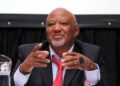


















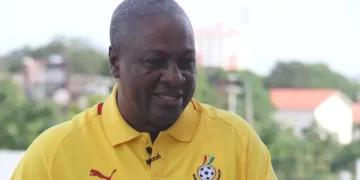








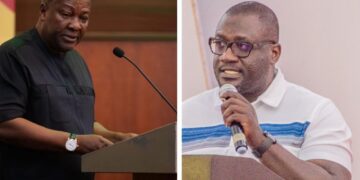



Policy analyst and Co-Chair of the Ghana Extractive Industries Transparency Initiative (GHEITI), Dr Steve Manteaw, has defended the Ghana Gold Board (GoldBod) over reported losses of $1.7 billion from its gold purchasing operations.

According to Dr Manteaw, the reported figure should not be interpreted in isolation or used as evidence that Ghana’s gold purchasing programme has failed.
He explained that the losses should instead be viewed within the broader context of the cost of purchasing gold domestically, generating foreign exchange and strengthening the country’s reserves.
Speaking in an interview with Joy News on Tuesday, August 18, Dr Manteaw described the reported $1.7 billion loss as a transaction cost associated with the gold purchase programme.
“There is a certain level of insincerity in discussing this very issue, and we make it look like this is the first time Ghana is making losses in its gold purchase programme,” he said.
Dr Manteaw argued that Ghana had recorded losses from gold purchasing activities in previous years, but those losses did not attract the same level of public scrutiny.
He noted that Ghana recorded losses in 2022, 2023, 2024 and 2025, questioning why those figures had not generated similar concerns.
“Let’s say, for instance, in 2024, we made a total loss of GH¢5.7 billion, GH¢1.8 billion from gold for oil and then GH¢3.8 billion from our domestic gold for reserves, a total of GH¢5.7 billion,” he explained.
According to him, the more important consideration should be the broader economic benefit generated through the gold purchasing programme, particularly the foreign exchange it brings into the country.
“How much export revenue did we bring in? A mere GH¢4 billion, and so if you had to incur a loss of $1.7 billion to bring in $10 billion, that for me shouldn’t be a problem,” Dr Manteaw said.
He maintained that the reported losses should therefore be understood as part of the cost involved in achieving wider economic objectives rather than as an indication that GoldBod’s operations are unsuccessful.
“It means that what we call losses are transaction costs,” he added.
Dr Manteaw’s comments come amid growing public discussion over GoldBod’s financial performance and the sustainability of the government’s gold purchasing programme.
He suggested that assessments of GoldBod should consider the value of foreign exchange mobilised, the strengthening of Ghana’s reserves and the broader objectives of the programme, rather than focusing solely on accounting losses.