

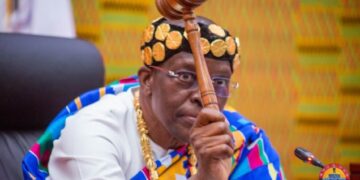












Archbishop Nicholas Duncan-Williams has called on Ghanaians to pray for the Ghana Gold Board (GoldBod), warning that powerful interests could be working against efforts to bring greater control and accountability to the country’s gold trade.
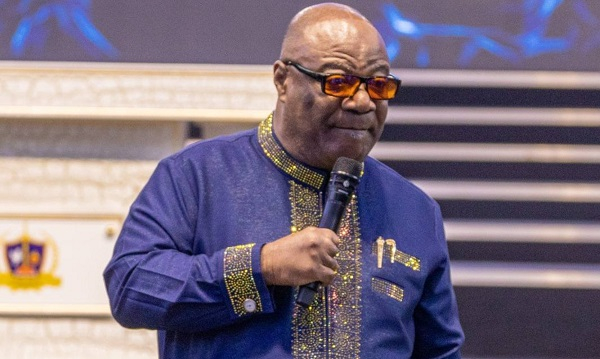
The General Overseer of Action Chapel International made the call during a church service on Sunday, August 16, where he spoke about what he described as growing pressure surrounding the regulation of Ghana’s gold sector.
According to the Archbishop, some individuals who previously benefited from illegal channels of purchasing Ghanaian gold are now looking for alternative ways to obtain the precious mineral following tighter controls in the sector.
He said he had received calls from people outside Ghana who were seeking introductions to senior officials in order to gain access to GoldBod and purchase gold through official channels.
Duncan-Williams said the development suggested that GoldBod could be coming under pressure from well-connected players with considerable financial resources and deep knowledge of the gold industry.
He described the situation as a battle involving what he called a “very powerful movement” that was not interested in seeing reforms in the gold sector succeed.
“It’s clear to me that the Gold Board is dealing with a very powerful movement—people very, very established who know and understand the field and how to do this and don’t want the right thing to be done,” he said.
The Archbishop also recounted an encounter that, according to him, highlighted the enormous scale of Ghana’s illegal gold trade.
He said he once met members of a ruling family in a Middle Eastern country and was told that the volume of Ghanaian gold entering that country through illegal channels was reportedly three times higher than the amount officially recorded by Ghanaian authorities as being sold there.
The claim, he said, left him deeply troubled about the extent to which the country could be losing revenue and control over its natural resources.
Duncan-Williams further suggested that individuals involved in the illicit trade were not ordinary operators but people with significant influence and financial strength.
He linked the gold trade to the wider problem of illegal mining, popularly known as galamsey, warning that the consequences extend beyond lost state revenue.
According to him, continued illegal mining threatens Ghana’s water bodies, farmlands and food production, making the protection of the country’s natural resources a matter of national importance.
He cautioned against allowing political interests to interfere with the enforcement of laws intended to safeguard Ghana’s resources.
The Archbishop therefore urged citizens to support the country through prayer as GoldBod works to strengthen regulation of the gold industry and curb activities that undermine the formal sector.
“We need to intercede for our country,” he said.
His comments come amid ongoing efforts to tighten controls over Ghana’s gold trade and channel more transactions through regulated and authorised systems.