

























Ghanaians have every reason to question yet another controversial awards scheme emerging under the guise of recognition. What began as doubts surrounding the RTP Awards has now escalated into outright skepticism with the introduction of the so-called Ministers of State Awards—an initiative that many are already dismissing as poorly timed, deeply flawed, and lacking credibility.
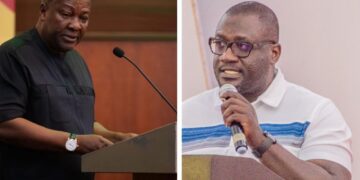
At the center of this growing controversy is Prince Mackay, also known as Dr. Prince Emmanuel Markey, founder and Executive Chairman of Big Events Ghana. Once associated with organizing the RTP Radio and TV Personality Awards, a scheme that has in recent years suffered a significant loss of public trust, Mackay has now pivoted to organizing awards for government ministers. This transition has raised serious concerns about judgment, motive, and credibility.
The RTP Awards, once celebrated, gradually became riddled with allegations of favoritism, questionable selection processes, and declining integrity. Instead of restoring confidence in that brand, the organizer appears to have moved on—this time targeting the political space with an equally contentious initiative. The result is predictable: confusion, public backlash, and a deepening erosion of trust.
The so-called Ministers of State Awards have not only stirred controversy among the general public but have also created unease within the ruling party itself. Questions abound about the criteria for selection, the legitimacy of the process, and whether many of the recipients truly deserve such recognition. For an awards scheme that claims to celebrate excellence, the lack of transparency has been glaring.
More troubling is the timing. At a moment when Accra is grappling with devastating floods and citizens are demanding urgent leadership and accountability, the optics of ministers stepping forward to receive awards is, at best, tone-deaf and, at worst, deeply insensitive.
IMANI Africa Vice President, lawyer Kofi Bentil, did not mince words when he described the awards as a “joke.” His criticism reflects a broader public sentiment that something is fundamentally wrong. He questioned the apparent dysfunction within government, pointing out the contradiction between ministers publicly bickering over issues that should be resolved internally while simultaneously appearing at ceremonies to receive accolades.
His remarks cut to the heart of the issue: Where is the leadership? Where is the sense of priority? And why are public officials engaging in self-congratulatory exercises while pressing national issues remain unresolved?
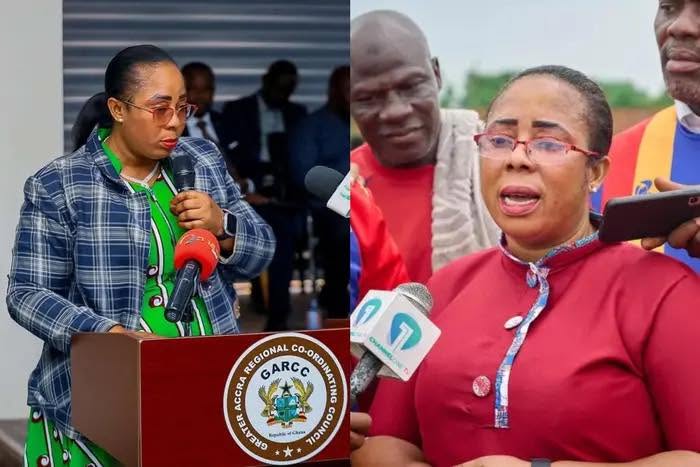
The backlash has not spared the ministers who accepted the awards. Many have been criticized for appearing disconnected from the realities facing ordinary Ghanaians. In times of crisis, leadership is measured not by plaques and ceremonies but by action, responsiveness, and empathy.
Ultimately, this episode underscores a larger problem—the growing trivialization of awards in Ghana. Recognition should be earned through measurable impact and unquestionable merit, not distributed through processes that invite doubt and ridicule.
For Prince Mackay and Big Events Ghana, the message from the public is clear: credibility, once lost, is not easily regained. Expanding into more controversial territory without first restoring trust only compounds the problem.
If anything, the Ministers of State Awards have reinforced a perception that some platforms are more interested in spectacle than substance. And until that changes, such initiatives will continue to be viewed not as honors—but as hollow gestures devoid of meaning.