

































New Patriotic Party (NPP) communicator Ezekiel Agyekum-Obeng has turned the deaths of eight Ghanaian tomato traders in a jihadist attack in Burkina Faso into a direct indictment of the National Democratic Congress (NDC) government’s agricultural policies, questioning whether flagship initiatives have delivered any measurable improvement in food security or household welfare.
Speaking on The Forum, a current affairs programme on Asaase Radio on Sunday, 22 February 2026, Agyekum-Obeng argued that the killings exposed the structural failure of domestic food production under the current administration. “If indeed the policies are working we shouldn’t be faced with such problems. We should be able to grow tomatoes in three months,” he said.
He focused particular scrutiny on the government’s Nkoko Nkitinkiti Household and Backyard Poultry Production Initiative, which President John Dramani Mahama officially launched at the Jubilee Park in Kumasi on 12 November 2025. The programme targets the distribution of three million birds to approximately 60,000 households across all 276 constituencies, and forms part of the government’s broader Feed Ghana Programme within its National Plan for Agricultural Transformation, Food Sovereignty, and Shared Prosperity. “Has the Nkoko Nkitinkiti yielded any benefit to our economy, in terms of food security and in terms of the living conditions of Ghanaians?” Agyekum-Obeng asked.
The question lands at a sensitive moment for the initiative. Before the formal launch, government distributed 720,000 birds to 13,000 farmers across twelve districts as a pilot, with the Ministry of Food and Agriculture describing the pilot as successful and using the results to justify a national rollout. However, independent agricultural analysts have raised persistent concerns about the model’s long-term viability. Feed costs represent between 60 and 70 percent of poultry production expenses, and Ghana’s maize and soy markets are volatile, making it difficult for small-scale household farmers to sustain production without a stabilised supply chain. Analysts have also warned that deploying thousands of micro-flocks nationwide creates heightened biosecurity risks, including vulnerability to avian influenza and Newcastle disease.
Agyekum-Obeng broadened his critique beyond poultry to encompass the government’s communication strategy, arguing that policy announcements were being amplified on social media without producing tangible gains. “Policies that can be seen working, not policies that are celebrated on social media, yet Ghanaians continue to pay the dear price,” he said, pointing to accommodation, transport, and food costs as the three clearest indicators of whether living conditions are genuinely improving.
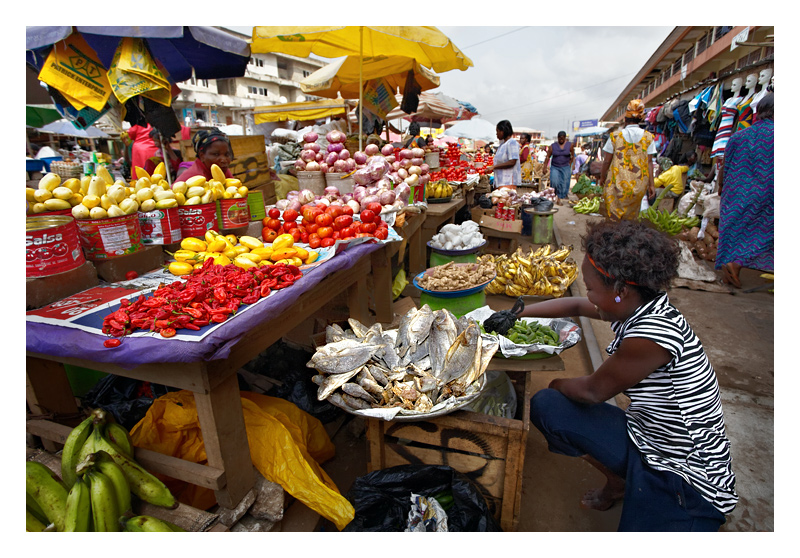
Ghana spends an estimated $300 million annually on imported poultry alone, a figure the Nkoko Nkitinkiti programme was designed to reduce. The Burkina Faso attack, in which Ghanaian tomato traders were killed in a security incident on 14 February while sourcing cheaper produce across the border, has reignited debate about how broadly those supply-chain vulnerabilities extend beyond poultry into other food categories where domestic production remains insufficient.
Agyekum-Obeng concluded by calling for justice for the victims, expressing hope that both the Mahama government and Burkinabè authorities “will take the necessary steps to bring justice to these people.”