
































More details have emerged from a forensic audit into the alleged corruption scandal at Ghana’s Embassy in Washington, DC, United States of America, with the names of Fred Kwarteng and Treasury Officer Janet Maku Koranteng featuring prominently in the report.
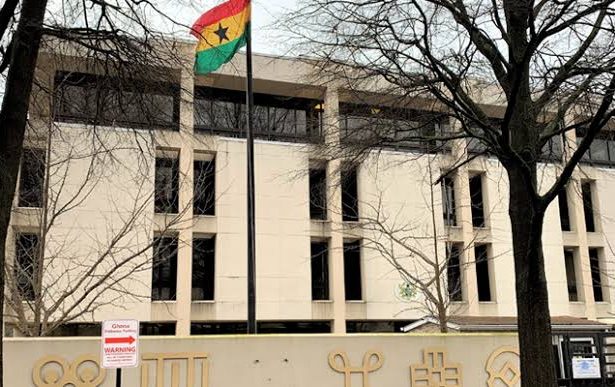
The latest revelations point to an alleged scheme through which more than $19.4 million was reportedly extracted from visa and passport applicants between 2019 and 2025, with proceeds allegedly channelled to embassy officials under the guise of staff welfare benefits.
According to details contained in a publication by the Public Accounts Committee (PAC) platform, the forensic audit conducted by the Auditor-General uncovered what it described as an elaborate arrangement involving embassy personnel and external entities.
Fred Kwarteng, identified as the main suspect in the alleged scheme, is said to have masterminded the arrangements through which applicants for consular services were allegedly made to pay amounts far above the official fees.
The audit further indicated that some of the proceeds were allegedly paid to embassy officials through a bank account established as the “Embassy of Ghana Welfare Account.”
Janet Koranteng and the ‘Welfare Account’
The forensic report reportedly identified Janet Maku Koranteng, the embassy’s Treasury Officer, as the official who wrote to Citibank requesting the creation of the account.
In a letter dated March 16, 2020, Ms Koranteng, on behalf of the Ghana Embassy/Mission in Washington, DC, requested the opening of a new account titled the Embassy of Ghana Welfare Account, which was to become operational from April 1, 2020.
The account was presented as an avenue for making welfare payments to embassy staff.
However, the forensic audit reportedly found that money linked to the alleged visa and passport extortion scheme flowed into the account before being disbursed to staff.
Documents attached to the audit reportedly showed payments of $10,800 and $14,400 made from the account.
The findings have raised questions about how funds allegedly generated from consular services ended up being distributed among embassy personnel under the description of welfare benefits.
Citibank raises red flags
The arrangement also reportedly attracted the attention of officials at Citibank, who questioned the source and purpose of funds being paid into the account.
According to the audit, Citibank officials noticed that payments into the Embassy Welfare Account were being made by Ghana Travel Consultancy LLC, a company reportedly created by Fred Kwarteng.
A Citibank official questioned why the account, which was supposedly intended to be funded by contributions from embassy staff and couriers, was receiving payments from the company.
The bank also sought clarification on the exact role of Ghana Travel Consultancy LLC and why the company was making payments to an account belonging to the embassy.
The questions reportedly centred on whether the company was merely providing courier services or was involved in processing consular applications on behalf of the embassy.
Account closure ordered
The forensic audit further revealed that the welfare account was eventually closed following intervention by the then Minister of Foreign Affairs and Regional Integration, Shirley Ayorkor Botchwey.
But the closure of the account did not appear to bring an end to the alleged irregularities.
According to the report, Janet Koranteng subsequently wrote to Citibank seeking clarification on whether the Welfare Committee could establish another account without the formal involvement of embassy management.
The bank reportedly rejected the proposal, explaining that it could not maintain a separate welfare account under non-embassy management if the purpose remained the payment of welfare benefits to embassy employees.
Scheme allegedly continued until 2025
One of the most troubling aspects of the forensic findings is the reported continuation of the alleged irregularities even after the original welfare account was closed.
The audit reportedly established that the account was officially closed on October 10, 2021, but that the alleged practice of charging visa and passport applicants amounts above the approved fees continued until 2025.
This suggests, according to the findings, that the closure of the account did not dismantle the broader system through which the alleged excess charges were collected and distributed.
The revelations have consequently intensified scrutiny of operations at Ghana’s diplomatic mission in Washington, DC, and raised serious questions about accountability, financial controls and the handling of consular revenues.
The Auditor-General’s findings form part of a wider investigation into the alleged corruption scandal, with Fred Kwarteng and other individuals connected to the transactions coming under scrutiny.
The full extent of the alleged financial losses and the identities of all officials who may have benefited from the arrangement are expected to remain central to ongoing investigations and any subsequent legal proceedings.
It is important to note that the allegations and findings contained in the forensic audit do not, by themselves, amount to criminal convictions. Any individuals accused of wrongdoing remain entitled to due process and the presumption of innocence unless and until a court determines otherwise.