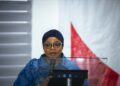







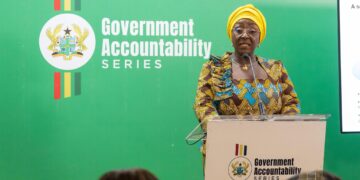











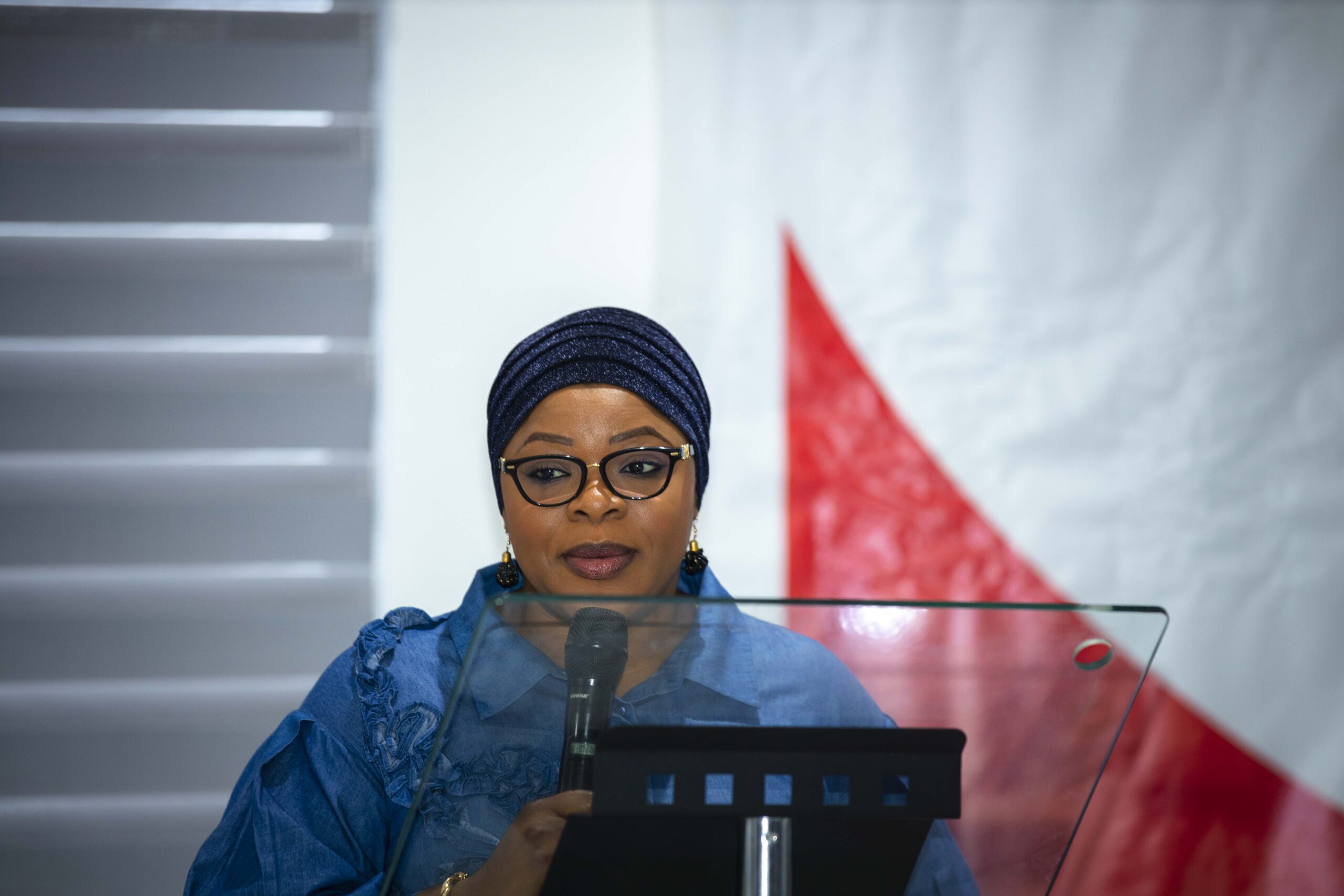
Deputy Presidential Spokesperson Shamima Muslim has urged broadcasters in Ghana to remain professional, impartial and independent in the discharge of their duties, stressing that credible journalism is essential to the country’s democratic development.
Speaking at the Broadcasters Convention 2026, Ms Muslim said broadcasters should not feel pressured to align themselves with government positions, arguing that their credibility must instead be built on the confidence of both the public and state authorities.
“A strong democracy does not need broadcasters that agree with the government all the time but broadcasters that the public and even government can trust to do their work without fear or favour,” she said.
She identified public trust as a key pillar of democratic governance, noting that citizens were more likely to have confidence in state institutions when they could rely on the media for accurate, fair and balanced information.
According to her, broadcasters have a significant responsibility in shaping national conversations, educating the public and holding people in authority accountable.
She assured the media that the government remained committed to maintaining an environment in which press freedom could flourish, adding that the administration would not interfere with the professional work of broadcasters.
Ms Muslim, however, urged media practitioners to match their freedom with responsibility by adhering strictly to journalism ethics, particularly accuracy, fairness, balance and impartiality.
Her call comes at a time when the rapid growth of digital and social media platforms has made it easier for misinformation and disinformation to spread, creating additional challenges for traditional broadcasters.
She cautioned that although freedom of expression is protected by Ghana’s 1992 Constitution, the right should be exercised responsibly to prevent the spread of content capable of deepening political and social divisions.
The Deputy Presidential Spokesperson also encouraged stronger engagement between government and the media, clarifying that cooperation between the two sectors should not be interpreted as an attempt to control the press.
Rather, she said, such engagement should promote national development while strengthening democratic institutions and encouraging constructive public discourse.
Ms Muslim commended the organisers of the Broadcasters Convention 2026 for bringing together key stakeholders in the broadcasting industry to examine issues affecting the sector.
The convention has attracted broadcasters, media owners, regulators, policymakers, civil society organisations and development partners for discussions on regulation, digital transformation, content creation and the sustainability of the media industry.
The 2026 convention is focused on strengthening public confidence in broadcasting and reaffirming the media’s role as the fourth estate in Ghana’s democratic development.