


































The Christian Council of Ghana has defended President John Dramani Mahama’s decision to subject the Human Sexual Rights and Family Values Bill, widely known as the anti-LGBTQ+ bill, to further review before taking any final action.
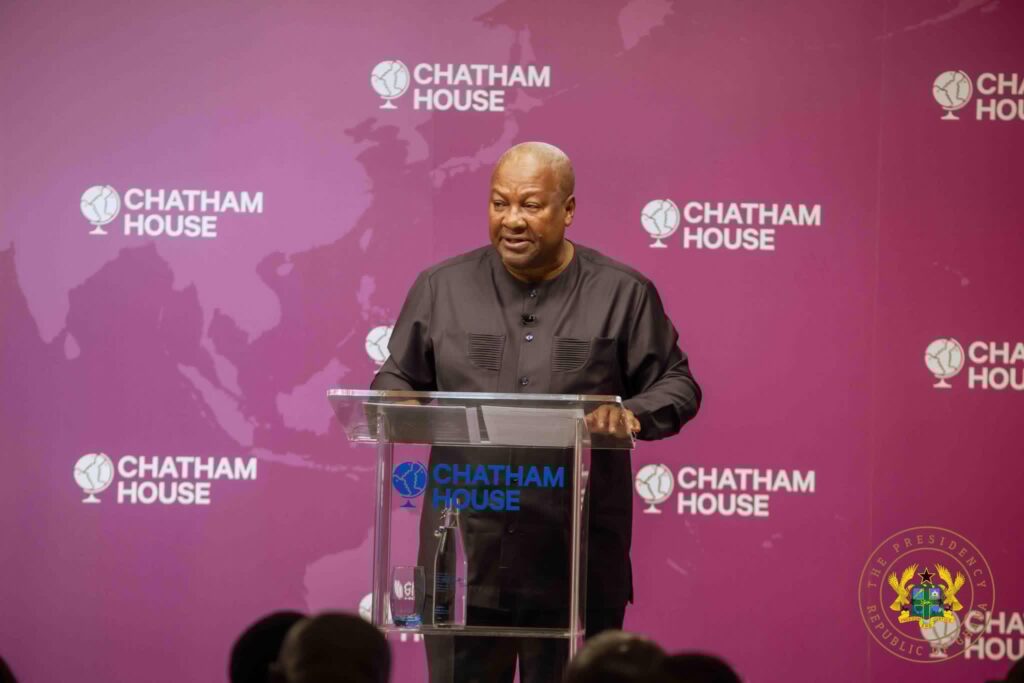
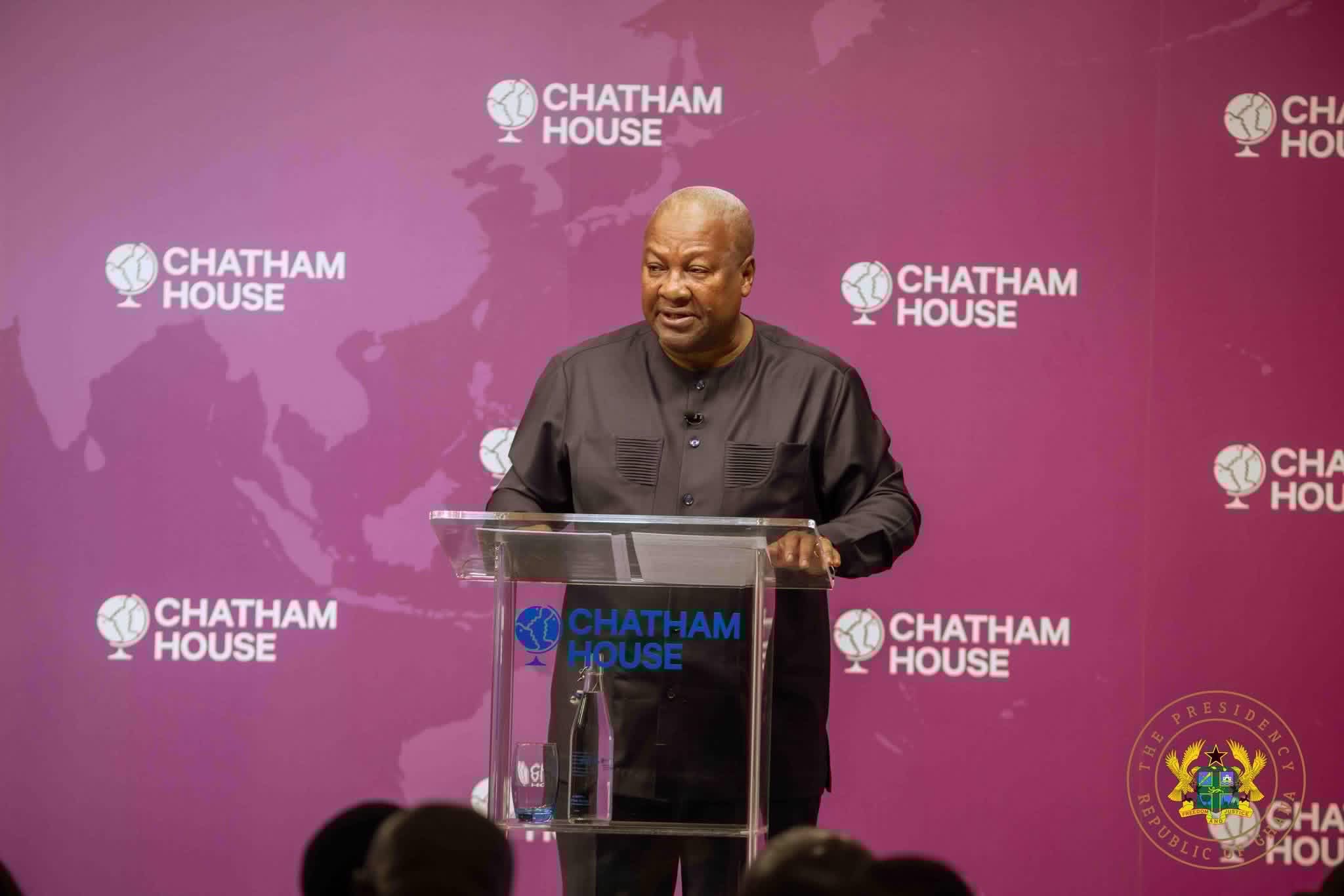
During a recent visit to the United Kingdom, President Mahama indicated that the bill would undergo additional scrutiny to ensure it meets all constitutional requirements before a decision is made on whether to assent to it.
Reacting to the President’s remarks in an interview, the Coordinator for Interfaith and Ecumenical Relations at the Christian Council of Ghana, Rev. Jehodia Godwin Amuzu, described the move as appropriate and in line with the President’s constitutional responsibilities.
According to Rev. Amuzu, the President is within his rights to consult legal and constitutional advisers to ensure that the legislation can withstand judicial scrutiny.
He cautioned that failure to thoroughly review the bill could expose it to legal challenges in court, potentially leading to it being struck down.
Rev. Amuzu urged the public to exercise patience, stressing that due process is a key principle of democratic governance.
He noted that decisions of such national importance must follow laid-down procedures rather than being rushed.
The clergyman also recalled that President Mahama had previously indicated to religious leaders that he would assent to the bill when it is presented to him.
However, he explained that since the bill is not state-sponsored, it is necessary for the President and his advisers to carefully examine it to ensure it is fit for purpose.
Rev. Amuzu further welcomed recent calls by the Speaker of Parliament for lawmakers to reconsider the bill, describing such engagements as a healthy feature of democracy.
He emphasized that active citizen participation and institutional checks and balances are essential in ensuring that Parliament remains accountable.
The comments come amid renewed public debate over the future of the controversial bill and the respective roles of the executive and legislature in determining its fate.