



































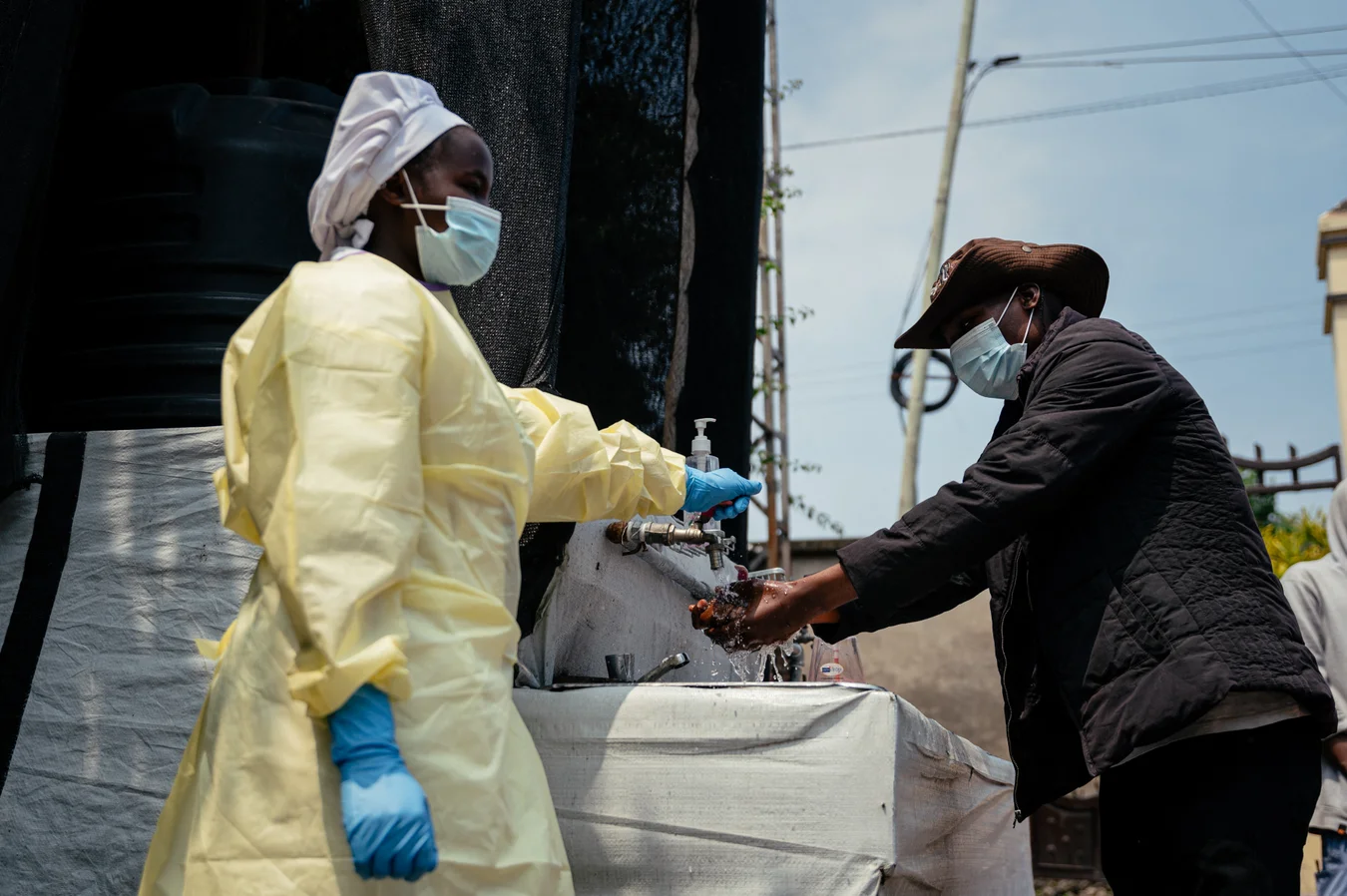
The Centers for Disease Control and Prevention (CDC) has issued a temporary emergency order restricting entry into the United States for certain travelers from parts of Central and East Africa, following a rise in Ebola cases linked to the Bundibugyo virus strain.
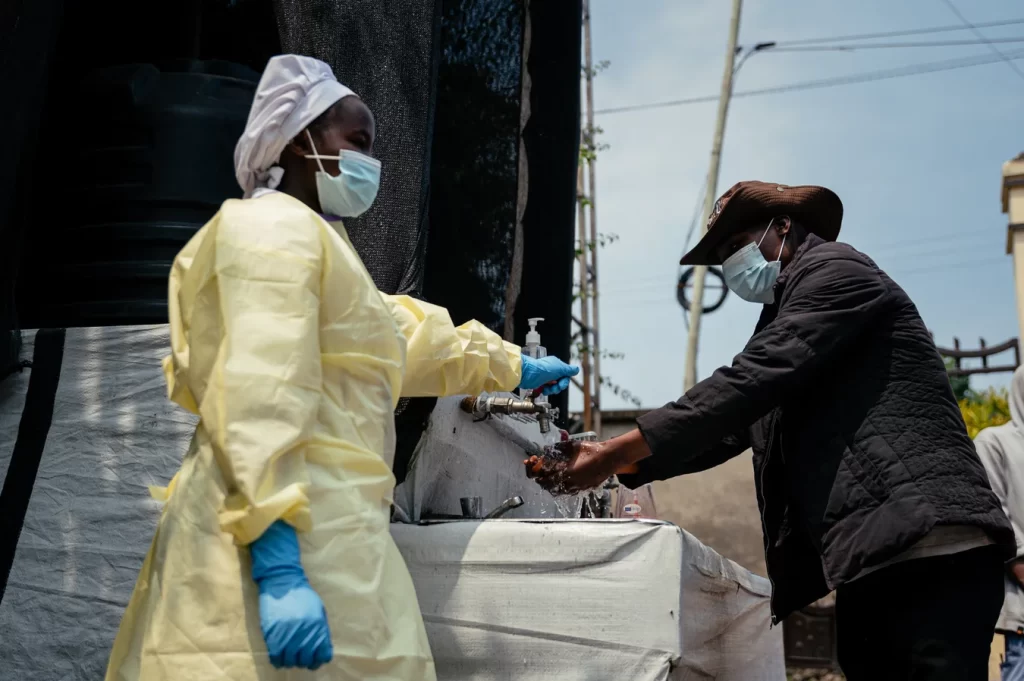
The measure, signed by CDC Director Jay Bhattacharya, is designed to reduce the risk of importing infections as outbreaks continue in Uganda and the Democratic Republic of the Congo, with additional concern over potential spread to South Sudan.
Under the 30-day order, non-U.S. travelers who have been in affected countries within the past 21 days will be temporarily barred from entry. U.S. citizens, lawful permanent residents, military personnel, and certain essential workers are exempt, though they will be subject to enhanced screening and monitoring.
Public health officials emphasized that the move is precautionary rather than a response to any domestic outbreak. By limiting incoming travelers from high-risk regions, authorities aim to ease pressure on frontline systems, including airport screening operations, quarantine facilities, and laboratory testing capacity.
Major international gateways such as John F. Kennedy International Airport, Hartsfield-Jackson Atlanta International Airport, and Los Angeles International Airport are expected to implement coordinated enforcement measures in collaboration with the Department of Homeland Security.
Health authorities say the policy will allow more focused monitoring of returning Americans, enabling quicker identification and isolation of potential cases during Ebola’s 21-day incubation period.
Meanwhile, international partners including the World Health Organization and the Africa Centres for Disease Control and Prevention are working on the ground to contain the outbreak at its source.
The U.S. government plans to use the temporary pause to strengthen its long-term response strategy, including expanding diagnostic capacity, refining surveillance systems, and consulting public feedback during a parallel 30-day comment period.
Officials maintain that the approach balances public health protection with humanitarian considerations, ensuring critical travel and aid efforts can continue while minimizing the risk of further spread.