

































President John Dramani Mahama has cautioned Ghanaians against the habit of consuming heavy meals late at night, warning that such lifestyles are contributing to the country’s growing burden of non-communicable diseases (NCDs).
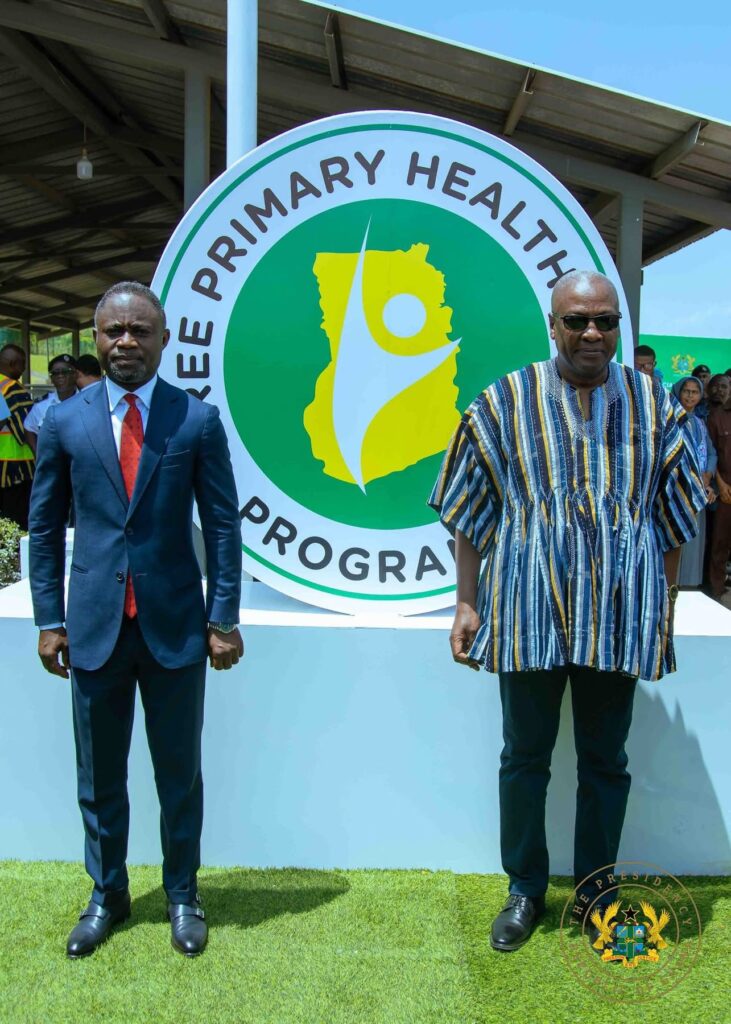
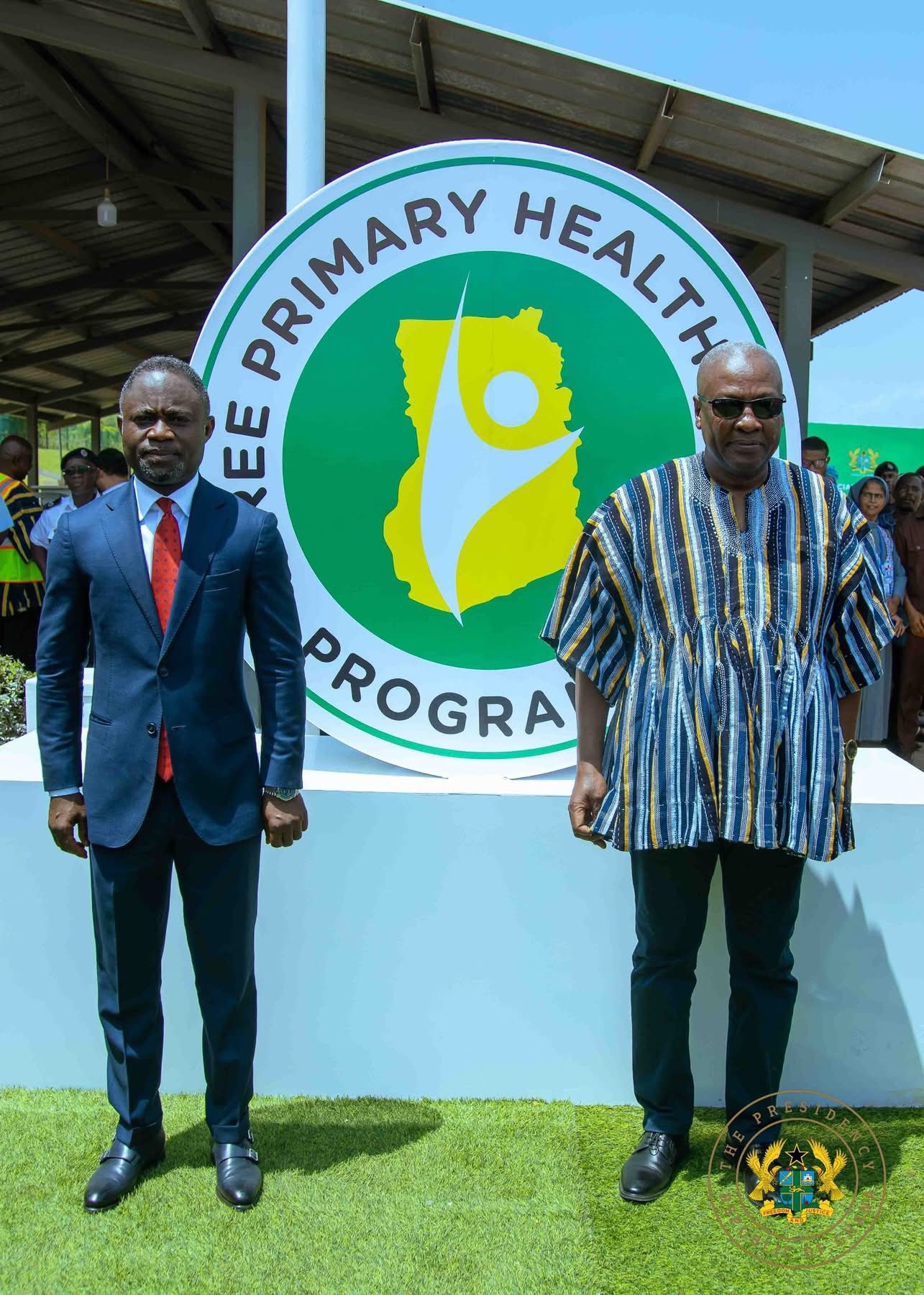
Speaking at the launch of the Free Primary Healthcare Programme at the Shai Osudoku District Hospital on April 15, 2026, the President stressed that poor dietary habits and physical inactivity are key drivers of conditions such as hypertension, stroke, cardiovascular diseases, and kidney failure.
He noted that many Ghanaians continue to adopt unhealthy routines, including eating large portions of heavy foods late in the evening, often just before going to bed.
“And so one of the aspects of the free primary health care too will be to educate people on what makes you susceptible to non-communicable diseases, how to change your lifestyle,” he said.
President Mahama explained that individuals who consume large quantities of food, remain physically inactive, and eat late at night are at higher risk of developing serious health conditions. He urged citizens to adopt more disciplined eating habits, including having dinner earlier in the evening.
“Please, by seven o’clock, eat your dinner and don’t eat again. If you are hungry, just take some cup of tea or something. Don’t eat any heavy food in the evening,” he advised.
He also criticised the practice of requesting freshly prepared heavy meals late at night, pointing out the strain it places on households and its impact on health.
“You come from work in the evening, and then your poor wife is tired and you come and say do banku for me at 10 o’clock in the night—why?” he questioned.
The President linked the increasing prevalence of diseases such as breast cancer, cervical cancer, hypertension, and stroke to modern sedentary lifestyles, describing NCDs as the leading health challenge in Ghana.
According to him, while earlier generations consumed similar traditional foods, they maintained better health outcomes due to more physically demanding daily routines.
“With the Free Primary Healthcare Programme, we are trying to prevent, especially, non-communicable diseases before they become something else. The NCDs have become the heaviest disease burden in Ghana,” he said.
President Mahama emphasised that preventive education will be a central component of the new healthcare policy, aimed at helping citizens better understand health risks and make informed lifestyle choices.
He urged Ghanaians to prioritise regular physical activity and adopt healthier eating patterns as part of efforts to reduce the rising incidence of lifestyle-related diseases across the country.