





















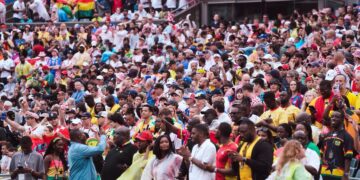








The New Patriotic Party’s (NPP) “Democracy Under Attack” demonstration in Accra on Thursday has triggered a wave of criticism, with political opponents and some commentators accusing the party of applying double standards to issues of democracy, human rights and the rule of law.
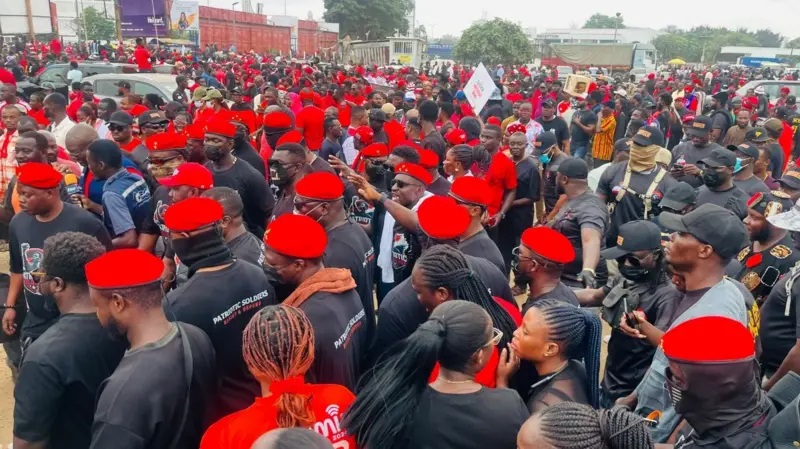
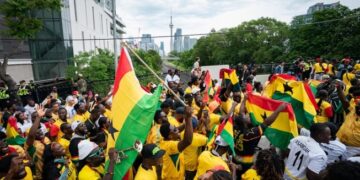
The protest, which attracted thousands of NPP supporters, civil society activists and members of some opposition political parties, was organized to condemn what participants described as selective justice, arbitrary arrests and an alleged erosion of democratic freedoms under the National Democratic Congress (NDC) administration.
However, the demonstration quickly sparked a counter-narrative, with critics arguing that many of the concerns raised by the NPP mirror allegations that were levelled against the party during its own eight years in government.
Opponents questioned the NPP’s moral authority to champion democratic accountability, citing previous allegations of political intimidation, arrests of demonstrators, attacks on journalists, and accusations of selective anti-corruption prosecutions during the party’s tenure in office. They contend that the issues now being highlighted by the NPP were dismissed or defended when similar criticisms were directed at its own administration.
“The party cannot ignore concerns raised during its years in government and now expect Ghanaians to accept its new position without scrutiny,” one political analyst said, arguing that democratic principles should be upheld consistently regardless of which political party is in power.
Several commentators also noted that concerns about the independence of state institutions, freedom of expression and the application of justice have featured prominently in Ghana’s political discourse under successive governments. They argued that both major political parties have, at different times, faced criticism over governance and accountability.
While NPP leaders insisted that Thursday’s protest was intended to defend Ghana’s democratic values and constitutional freedoms, critics described the demonstration as politically convenient, claiming it reflected selective outrage rather than a principled defence of democracy.
According to these critics, the credibility of calls for justice depends on a willingness to acknowledge shortcomings regardless of political affiliation. They argued that democratic accountability should apply equally to all governments and all public officials.
Despite the criticism, NPP officials maintained that their concerns were genuine and insisted that the demonstration was necessary to draw national attention to what they believe are growing threats to the rule of law, freedom of expression and equal justice under the current administration.
The protest has since intensified public debate over governance, accountability and democratic standards in Ghana, with observers urging both the governing NDC and the opposition NPP to place national interest above partisan politics.
Political analysts say the exchanges surrounding the demonstration highlight the growing expectation among many Ghanaians that democratic principles should be applied consistently, irrespective of which party occupies the Jubilee House.