




















The Ghana Police Service has reportedly arrested Prince Aboagye, a 38-year-old National Democratic Congress (NDC) Branch Organiser in the Agona West Constituency of the Central Region, following allegations that he made offensive and defamatory remarks about former Vice President Dr Mahamudu Bawumia.
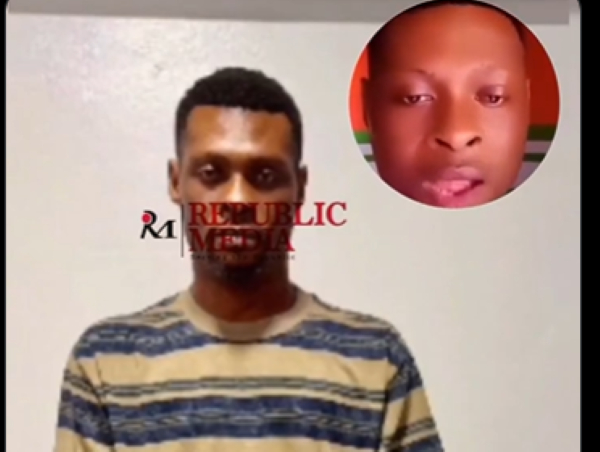
Prince Aboagye was arrested after a viral video circulated on social media in which he allegedly made several accusations against Dr Bawumia, the New Patriotic Party (NPP) flagbearer for the 2028 general elections.
In the video, Prince Aboagye is alleged to have accused Dr Bawumia of various offences, including murder, theft and engaging in relationships with married women. He is also heard allegedly claiming that the former Vice President had “slept with people’s wives.”
“He is a thief and killed his own close associate he used to walk with. He has been sleeping with people’s wives,” he allegedly said in the video.
The comments have sparked controversy, with concerns raised over the spread of alleged defamatory statements on social media and their potential impact on public figures.
The arrest comes shortly after the sentencing of Ghanaian TikToker Camilla Alhassan, who was jailed for one year by the Accra Circuit Court after pleading guilty to charges of offensive conduct and publishing false news.
The court, on July 16, 2026, sentenced Alhassan after she admitted to sharing videos that falsely alleged, without evidence, that President John Dramani Mahama buried 32 cows as part of rituals to secure victory in the 2024 general election.
Her lawyer, Kwadwo Gyamfi Bonsu, said the court dismissed the charge of electronic abuse, ruling that it lacked jurisdiction to determine that offence. However, the court found her guilty of offensive conduct and publishing false news and imposed a one-year prison sentence.
According to the lawyer, the defence had pleaded for leniency, but the court maintained that the increasing number of similar cases required a punishment that would serve as a deterrent.
Prince Aboagye’s arrest adds to growing discussions in Ghana over the limits of free expression, political commentary and accountability for statements made on social media platforms.