





























The Minority Leader and Member of Parliament for Effutu, Alexander Afenyo-Markin, has denied authoring a viral social media post that criticised Ghana’s Human Sexual Rights and Family Values Bill, 2025, stating that his account had been compromised.
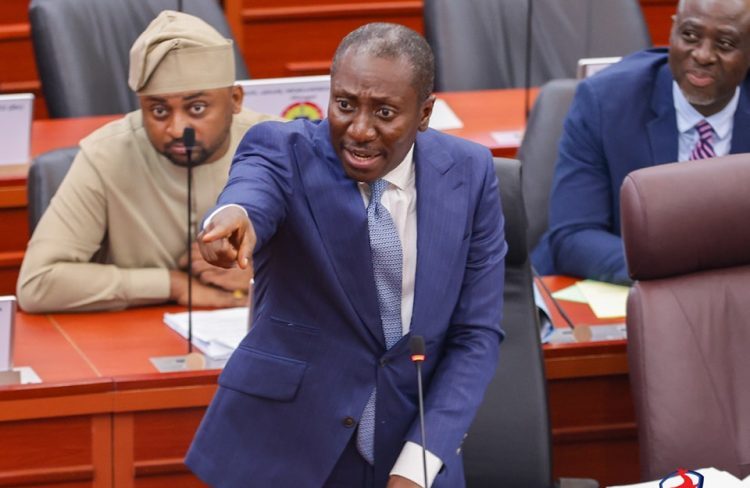
The post, which circulated widely across social media platforms on Tuesday, appeared to show Afenyo-Markin opposing the controversial legislation, popularly known as the anti-gay bill. In the message, the author argued that laws should not criminalise individuals based on their sexual orientation or personal relationships.
“A law that imprisons people for their sexual orientation or who they choose to love does not protect society. It simply selects a group of human beings and makes their existence a crime. That is a line no Parliament in the civilised world should cross,” the post read.
The statement quickly gained traction online, sparking intense debate among users, with many sharing screenshots and reacting to what was perceived as a significant shift in position from a senior political figure.
However, shortly after the post was deleted, a new message appeared on Afenyo-Markin’s official Facebook page distancing him from the earlier publication.
“Kindly disregard this post. Account was compromised,” he wrote, effectively disowning the viral statement.
Parliament passed the Human Sexual Rights and Family Values Bill, 2025, on May 29 following the consideration of several amendments. The bill seeks to criminalise LGBTQ-related activities in Ghana, although exemptions have been made for legal practitioners, journalists, media organisations, and medical professionals acting within the scope of their duties.
The legislation continues to generate widespread public discussion, with supporters arguing that it safeguards Ghanaian cultural and family values. Critics, however, maintain that it risks infringing on fundamental human rights and freedoms.
The incident involving Afenyo-Markin has further intensified the national conversation, highlighting the sensitivity of the issue and the influence of social media in shaping public discourse.