


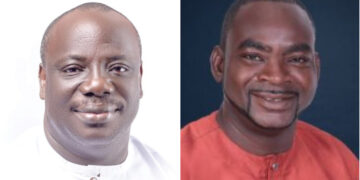
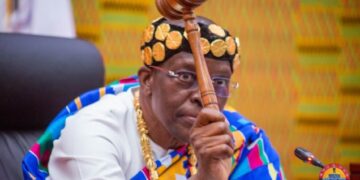




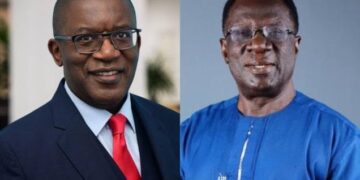












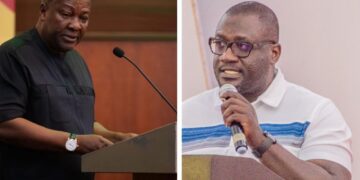



The Attorney General and Minister for Justice, Dr. Dominic Ayine, has defended the arrest and continued detention of New Patriotic Party (NPP) Bono Regional Chairman, Kwame Baffoe, widely known as Abronye DC, following public criticism from the opposition party.

Abronye DC was arrested after a social media video in which he allegedly criticised a Circuit Court judge and questioned the judge’s impartiality. The development has sparked political debate, with the NPP describing the arrest as a “criminalisation of speech” and an attempt to silence dissenting voices.
At a bail hearing on May 13, the Accra Circuit Court denied bail to the NPP official, citing concerns that he could repeat the alleged offence if released. The decision has further intensified criticism from the opposition, which argues that the ruling reflects growing intolerance for criticism and raises questions about judicial fairness.
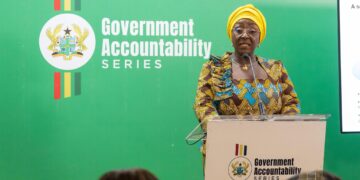
Speaking to journalists in Accra on Tuesday, May 20, on the sidelines of his appearance before the Public Accounts Committee, Dr. Ayine dismissed the concerns as overstated.
“I think that the minority is exaggerating a lot with respect to the question of gagging of free speech,” he said.
He emphasised that while Ghana’s Constitution guarantees freedom of expression, it also provides clear limitations, particularly where speech may threaten public order, morality, or national security.
“There are limits. You can limit free speech if it is something that can undermine public order, public morals, or for law enforcement reasons,” he explained.
To reinforce his point, Dr. Ayine referenced the Rwandan genocide, warning that unchecked speech in certain contexts could have destabilising consequences.
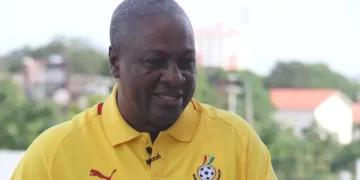
Despite defending the legal action, the Attorney General stressed that the government remains committed to protecting democratic freedoms. He noted that President John Dramani Mahama is a strong advocate for free speech and that the administration recognises its importance in sustaining Ghana’s democracy.
The case continues to draw national attention as debates over the balance between free expression and legal boundaries intensify.