





























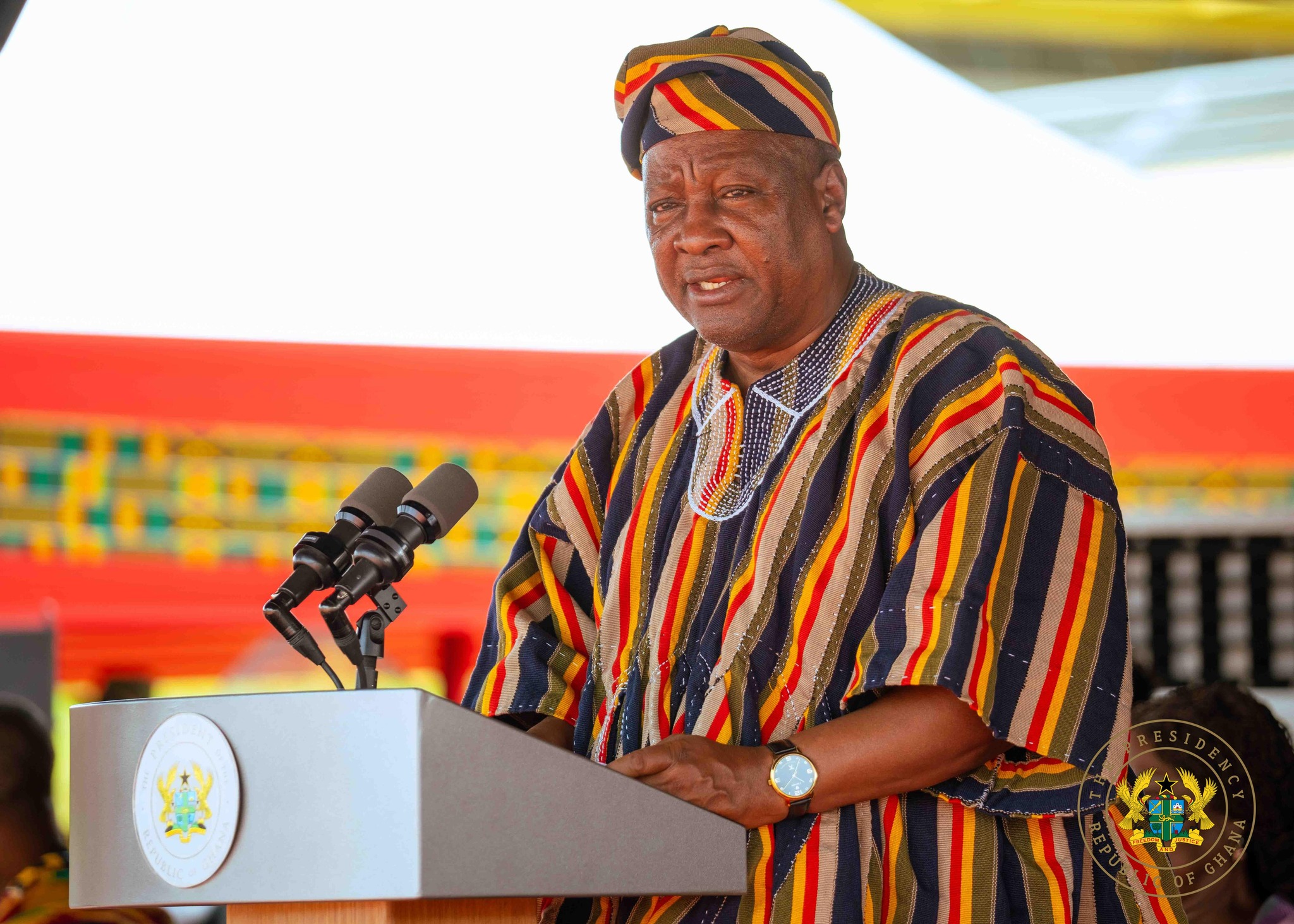
President John Dramani Mahama has directed all boards of state-owned enterprises (SOEs) and public institutions to stop undertaking international travel funded by the state for training, conferences, retreats, and study tours.
The order, issued from the Jubilee House on March 5, 2026, forms part of government efforts to tighten control over public spending and promote responsible use of national resources. The directive was communicated in a statement signed by Secretary to the President, Callistus Mahama.
According to the Presidency, the decision follows growing concern about the increasing number of international trips being undertaken by boards of public institutions. While acknowledging that global exposure and professional training can benefit governance and management, the government said the frequency and cost of such travel had become excessive.
Officials noted that some of the trips involve several board members and extended itineraries, resulting in significant spending on air tickets, accommodation, allowances, and other logistics. This, the government said, places additional pressure on the national budget at a time when strict fiscal discipline is being implemented.
As a result, the President has ordered an immediate end to the practice. Under the new directive, boards of SOEs and other public institutions are no longer allowed to embark on international trips for training or similar activities using public funds.
Ministers who supervise these institutions have been instructed to ensure full compliance with the order.
However, the government indicated that exceptions may be considered in rare circumstances. Any board that believes an overseas engagement is essential must first submit a formal request through its sector minister to the Chief of Staff at the Office of the President. Approval must be granted by the President before any travel arrangements are made.
Such requests must include detailed explanations of the purpose of the trip, expected benefits, number of participants, estimated cost, and reasons the activity cannot be conducted locally or virtually.
The Presidency is also encouraging institutions to focus on local capacity-building initiatives instead of foreign travel. Ministries and agencies have been advised to organise training programmes and retreats within Ghana or collaborate with local universities, professional bodies, and training institutes.
Where specialised knowledge is required, institutions are encouraged to explore virtual training sessions or short-term engagements with experts within the country.
The directive also reminds boards to concentrate on their core oversight and governance responsibilities, ensuring that any training activity is necessary, cost-effective, and beneficial to the institution.
Government officials say the measure is part of a broader strategy to reduce non-essential spending and redirect funds toward national development priorities, including infrastructure projects and social programmes.
All ministers have been asked to immediately inform boards, chief executives, and management teams of institutions under their supervision about the directive and ensure strict adherence.