




























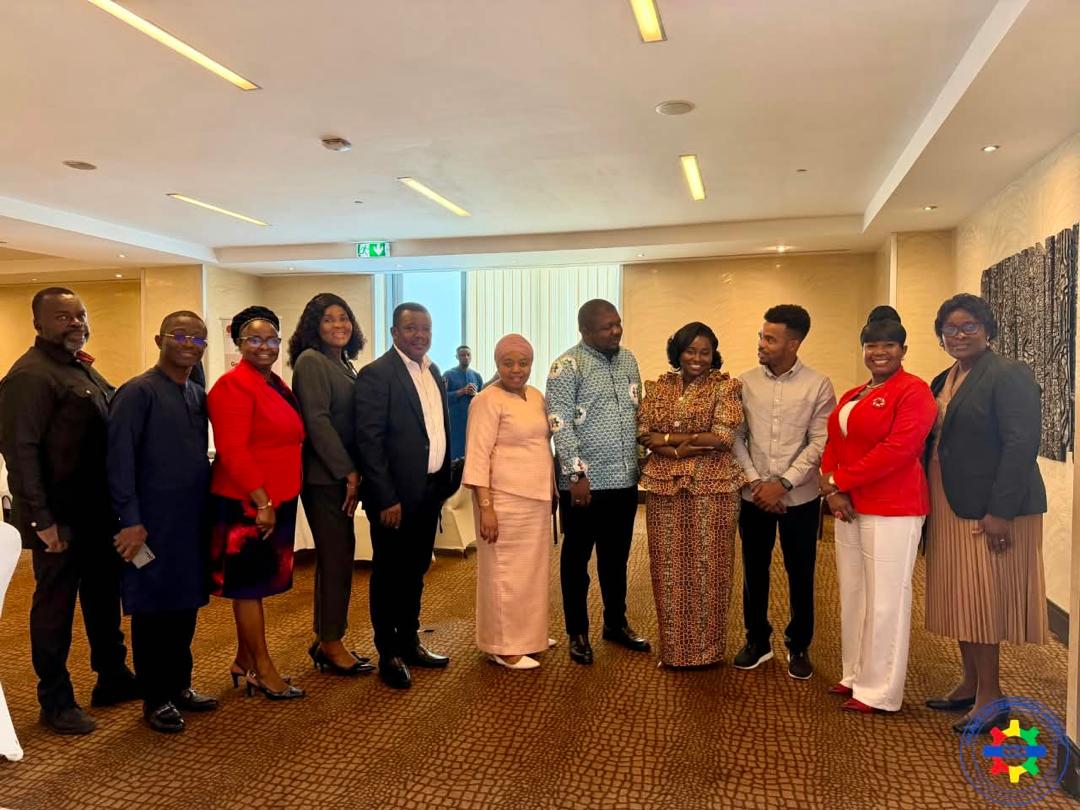
The Ghana Enterprises Agency (GEA), the apex governmental body responsible for the promotion and development of the Micro, Small and Medium Enterprises (MSMEs) sector in Ghana has engaged key stakeholders to align the Agency’s priorities with those of its partners and the wider enterprise development ecosystem.
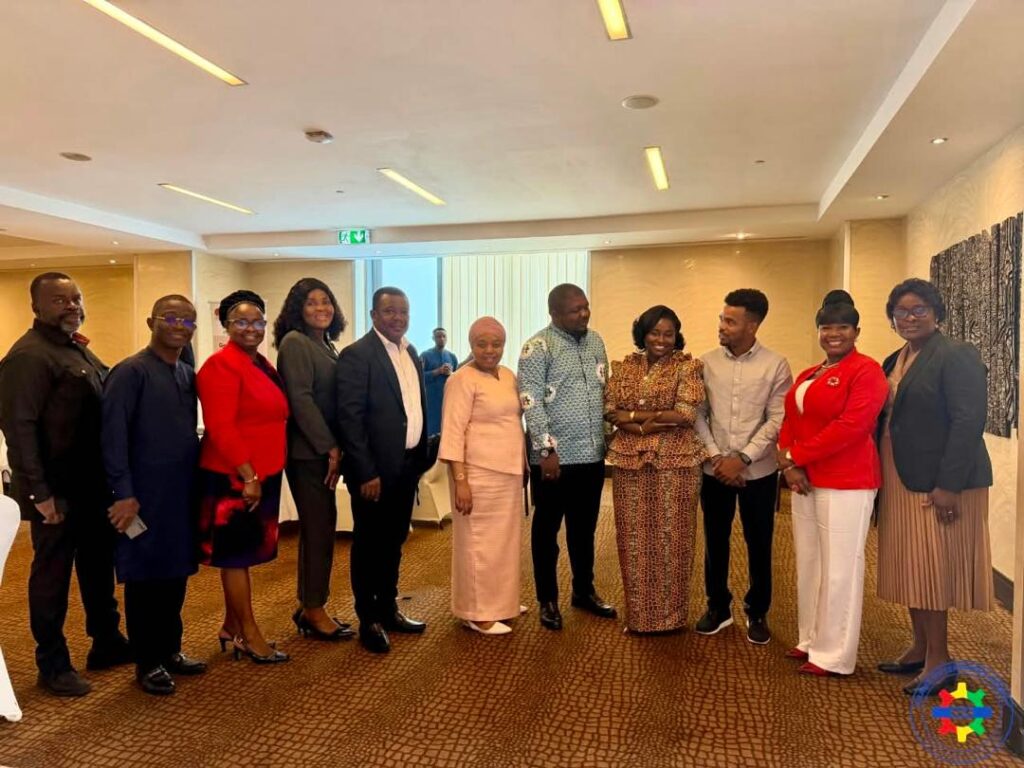
Held under the theme, “Aligning Development Partnerships for Sustainable MSME Growth and Economic Transformation,” the engagement brought together representatives from the public and private sectors, development partners, business associations, financial institutions, academia and other key actors within Ghana’s enterprise landscape. The engagement formed an important part of GEA’s strategic planning process and was specifically aimed at understanding and aligning the priorities of its stakeholders with the Agency’s strategic direction, while identifying areas where greater collaboration, coordination and complementarity can strengthen support for Ghanaian enterprises.
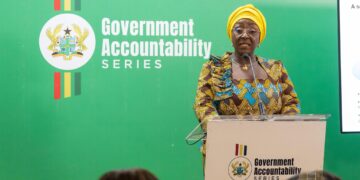
Speaking at the engagement, the Chief Executive Officer of GEA, Ms Margaret Ansei, emphasized the importance of approaching partnerships as a means of combining the different strengths and resources available across the enterprise ecosystem, “I would rather we treated partnership here as an economic proposition, where a development partner’s technical expertise, a bank’s balance sheet, a ministry’s regulatory reach, and GEA’s presence on the ground each solve a different part of the same constraint facing an enterprise trying to grow,” Ms Ansei stated.
The discussions centered on key priorities including enterprise competitiveness, access to finance, digital transformation, market access, skills development, innovation, sustainability, institutional strengthening and inclusive entrepreneurship.
The engagement also provided an opportunity for stakeholders to reflect on the challenges facing Ghana’s MSME sector and identify areas where GEA and its partners can work more effectively together. The objective is to ensure that the Agency’s strategic priorities are not developed in isolation but are aligned with the needs, expectations and priorities of the institutions and enterprises within the ecosystem.
Ms Ansei further noted that the success of GEA’s next strategic cycle should ultimately be measured by the impact the Agency creates for the enterprises it serves, “GEA’s ambition for this period is to be judged less by the number of programmes we run and more by the durability of the enterprises that pass through them. That is a harder standard, and a fairer one,” she added.
The 2026–2030 Strategic Plan will therefore focus not only on what GEA delivers, but also on how effectively the Agency delivers on its mandate. It is expected to strengthen institutional capacity, sharpen strategic focus, improve coordination and partnerships, and ensure that GEA’s programmes and interventions translate into more meaningful and sustainable outcomes for Ghanaian businesses.
Delivering his remarks at the engagement, the Board Chairman of GEA, Professor Nathaniel Boso, underscored the importance of aligning the priorities of stakeholders and coordinating interventions across the enterprise development ecosystem, “Alignment must mean more than working alongside one another; it must mean working from a shared understanding of the gaps that remain in Ghana’s enterprise ecosystem and coordinating our interventions to address them,” Professor Boso noted.
By aligning its priorities with those of its stakeholders, GEA seeks to build a stronger, more responsive and more effective institution capable of delivering better on its mandate and making a greater contribution to the growth and development of Ghana’s MSME sector. The Strategic Plan will ultimately serve as a roadmap for GEA’s next five years, guiding the Agency’s programmes, partnerships and institutional efforts towards greater efficiency, stronger enterprise outcomes and sustainable economic transformation.
As GEA looks towards 2030, the focus is clear: to listen better, align better, work better and deliver better for Ghanaian enterprises.