





























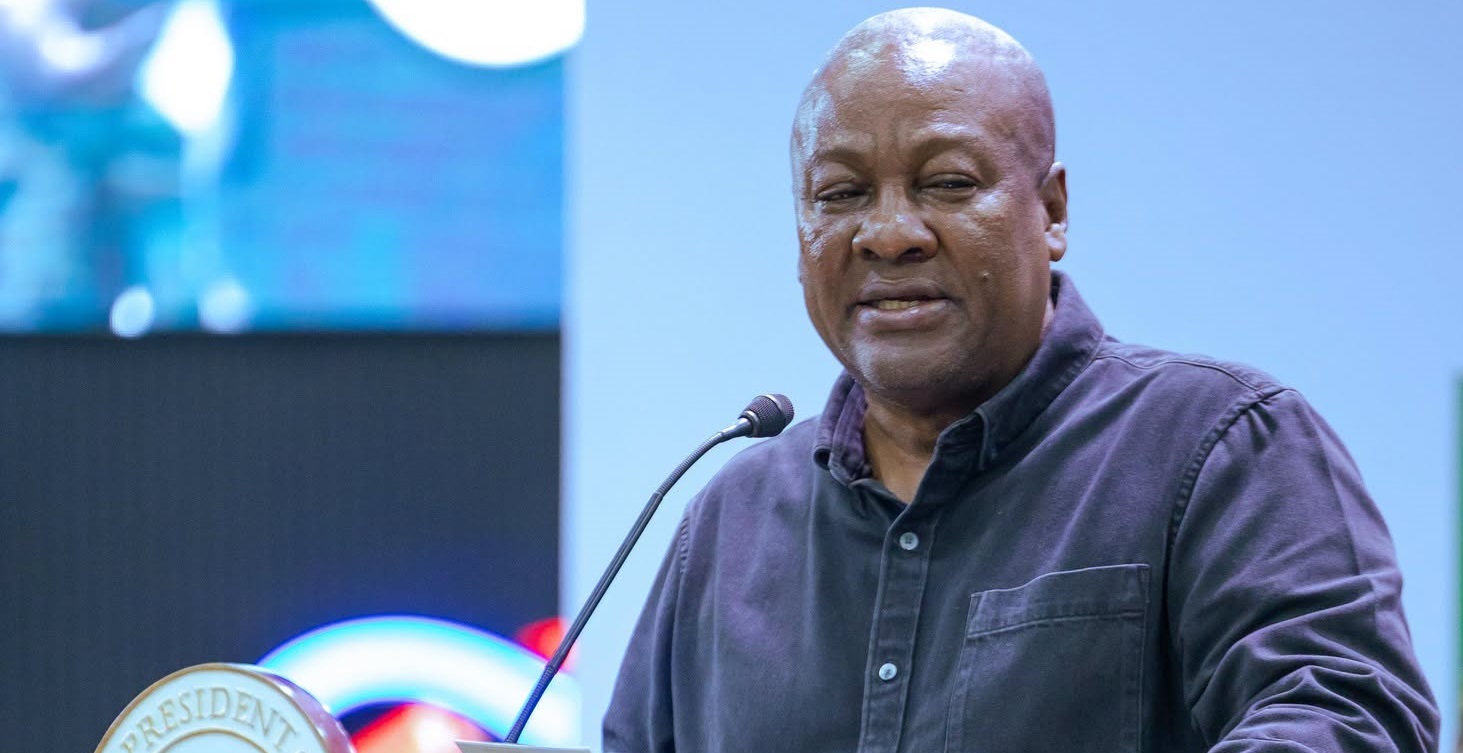
President John Dramani Mahama has announced plans by the government to invest US$10 billion over the next four years in seven strategic sectors of the Ghanaian economy under a new policy dubbed the “New Economy.”
The President said the initiative would mark the next phase of the government’s economic programme, following what he described as progress in stabilising the economy.
According to him, the government’s focus is now shifting towards economic growth, job creation and creating new opportunities, particularly for young Ghanaians.
President Mahama made the announcement during a citizen engagement in Bolgatanga as part of his Resetting Ghana Agenda tour of the Upper East Region.
He disclosed that the government plans to invest US$2.5 billion annually in the seven strategic sectors over the four-year period.
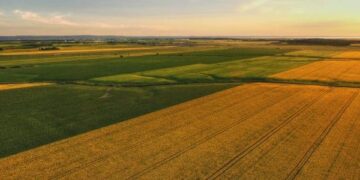
Agriculture and agro-processing, he said, would receive the largest share of the investment, accounting for 50 per cent, or US$5 billion, of the total allocation.
“The biggest is agriculture and agro-processing, and that’s where the Upper East comes in. Agriculture and agro-processing is going to take 50 per cent of that US$10 billion investment,” President Mahama said.
He explained that the investment would support the expansion of irrigation infrastructure and create opportunities for farmers to produce throughout the year, while also strengthening agro-processing and employment.
The President said the Upper East Region would receive a share of the US$5 billion agricultural allocation, citing its potential to produce vegetables and other commodities for both domestic and export markets.
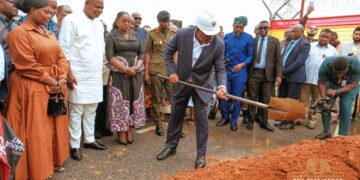
As part of the planned interventions, he said the government had commenced a tomato revitalisation project that would place 500 hectares of land under tomato cultivation.
The government, he added, would also rehabilitate the Pwalugu Tomato Processing Factory to serve as a processing hub for tomatoes produced in the region.
President Mahama further announced plans to complete the Tamne irrigation dam, which is expected to support dry-season farming in four districts in the Bawku area, particularly onion production.
The intervention, he said, was intended to increase domestic onion production and reduce Ghana’s reliance on imports from Niger.
He also disclosed that work was ongoing to rehabilitate the Vea Irrigation Scheme, covering about 344 hectares, with the expectation that the full area would be brought under cultivation by next year.
President Mahama said the broader investment programme was aimed at moving the country from economic stabilisation to sustained growth and job creation.
“Now that we have finished the stabilisation of the economy, our next focus is on creating jobs and opportunity for our young people. So growth, we have finished stabilization, we are now looking at growth and job creation opportunities,” he said.
The President said the government would, however, maintain fiscal discipline while directing public resources towards productive sectors capable of generating jobs and expanding economic opportunities.
He attributed the government’s ability to begin implementing the new investment programme to what he described as improvements in the economy, supported by fiscal discipline, increased revenue mobilisation and efforts to reduce waste.
President Mahama also noted that the government had not presented any loan agreement to Parliament for about one and a half years until June 2026, describing the development as an indication of prudent economic management.
He said the government was now prepared to move beyond stabilisation and channel resources into strategic investments that would drive production, create employment and expand opportunities for Ghanaians.
The proposed “New Economy” policy is expected to become a major component of the government’s economic agenda over the next four years, with agriculture and agro-processing positioned at the centre of efforts to accelerate growth and create jobs.