
































Twenty-five Ghanaians who travelled to Canada on temporary visas issued for the 2026 FIFA World Cup have filed asylum claims, according to figures released by Immigration, Refugees and Citizenship Canada (IRCC).
The data, cited in a report by The Globe and Mail, show that Ghana recorded the highest number of asylum claims among visitors who entered Canada on FIFA-related temporary residence visas for the tournament.
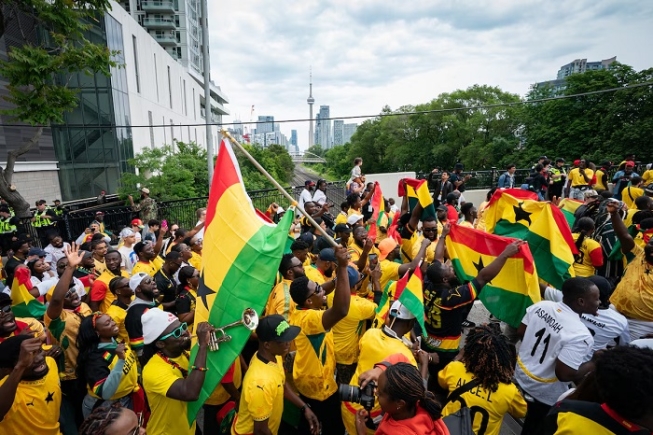
The Black Stars played their opening match of the 2026 FIFA World Cup against Panama on June 17 in Toronto, one of the Canadian host cities for the competition.
IRCC said that as of July 20, 2026, a total of 175 people who had previously received FIFA-related temporary residence approvals had submitted asylum claims.
“As of July 20, 2026, of the 26,111 individuals with prior FIFA-related approved temporary residence applications, 175 people later submitted asylum claims,” the department said in a statement.
Canada issued approximately 26,000 visas to visitors attending the 13 World Cup matches hosted in Toronto and Vancouver.
Besides Ghana, other African countries also recorded asylum claims. Egypt accounted for 15 claims following its match against New Zealand in Vancouver on June 21, while Senegal recorded 10 claims after its fixture against Iraq in Toronto on June 26.
The immigration department noted that the number of asylum applications could rise in the coming months, as some visitors may remain in Canada beyond the validity of their visas before seeking refugee protection.
However, IRCC did not disclose whether any of the asylum claims were made by players, team officials or support staff from participating countries.
The report also found that asylum claims were submitted by visitors from countries that did not qualify for the World Cup. These included 15 Kenyans, 10 Nigerians, and five nationals each from Burundi and Nepal.
Ahead of the tournament, Canadian authorities cautioned prospective visitors that visa applications could be refused or entry denied if immigration officials believed applicants were unlikely to leave Canada after the competition.
A Canadian immigration consultant told The Globe and Mail that some Ghanaians who applied for World Cup visas were denied on those grounds.
The latest figures echo trends recorded during previous major international sporting events. During the 2010 Winter Olympics in Vancouver, 22 people filed asylum claims, including some Ghanaians, while 82 athletes and officials sought asylum during the 2012 Olympic Games in London.