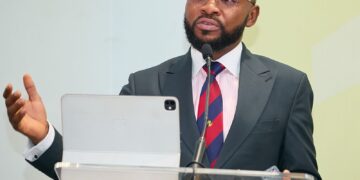


























Minister of Communication, Digital Technology, and Innovations, Samuel Nartey George, has emphasised the need for consistent regulation across both new and traditional media platforms to uphold ethical standards and protect Ghana’s democracy.
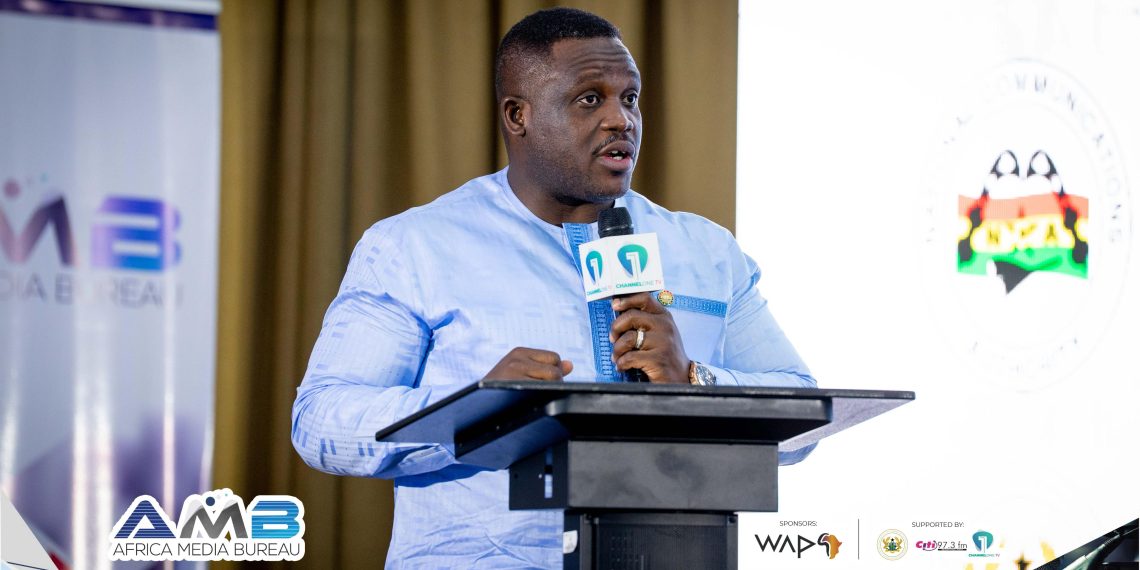
Speaking at the high-level media forum held at the Alisa Hotel in Accra by the Africa Media Bureau on Friday, September 26, he highlighted the Ministry’s support for new media as a valuable tool to complement traditional outlets in disseminating information and delivering educational and entertainment content.
Entertainment center
However, he stressed that new media must adhere to the same rigorous standards that govern conventional media broadcasts.
“It is wholly unacceptable and indeed undemocratic for us to have differing standards for new and traditional media broadcasts,” the Minister said.
He clarified that the call is not for censorship but for appropriate regulation to prevent misinformation, protect reputations, and maintain integrity in public broadcasts.
Minister George acknowledged the democratic right of media outlets to exercise editorial discretion but underscored his regulatory role in ensuring responsible broadcasting.
“The media cannot be the Wild West where incredulous allegations damage reputations simply for clickbait,” he added.
Drawing inspiration from Ghana’s founding father, Osagyefo Dr. Kwame Nkrumah, the Minister urged all stakeholders to work within their mandates to safeguard democracy.
He condemned charlatans posing as religious figures and running fraudulent schemes on air, as well as the proliferation of pornographic content disguised as adult shows.
“There must be sanity on our airwaves,” he said, urging collaboration to develop a roadmap for cleaning up the media landscape. “We cannot put today’s profit ahead of tomorrow’s sanity.”
Looking ahead, Minister George outlined five key priorities for the future of broadcasting in Ghana:
1. Compliance with Authorisation Conditions – Ensuring licenses are used properly, with non-compliant stations facing withdrawal of authorisations.
2. Digital Convergence and Hybrid Delivery – Updating regulatory frameworks to accommodate the blending of terrestrial, satellite, and internet broadcasting while protecting competition and consumer choice.
3. Capacity and Content Development – Investing in local content, professional standards, fact-checking, and media literacy to enhance credibility.
4. Technology Adoption – Encouraging broadcasters to embrace new technologies for better content creation and distribution.
5. Regional Cooperation and Benchmarking – Learning from regional and global best practices to strengthen Ghana’s media institutions and competitiveness.