















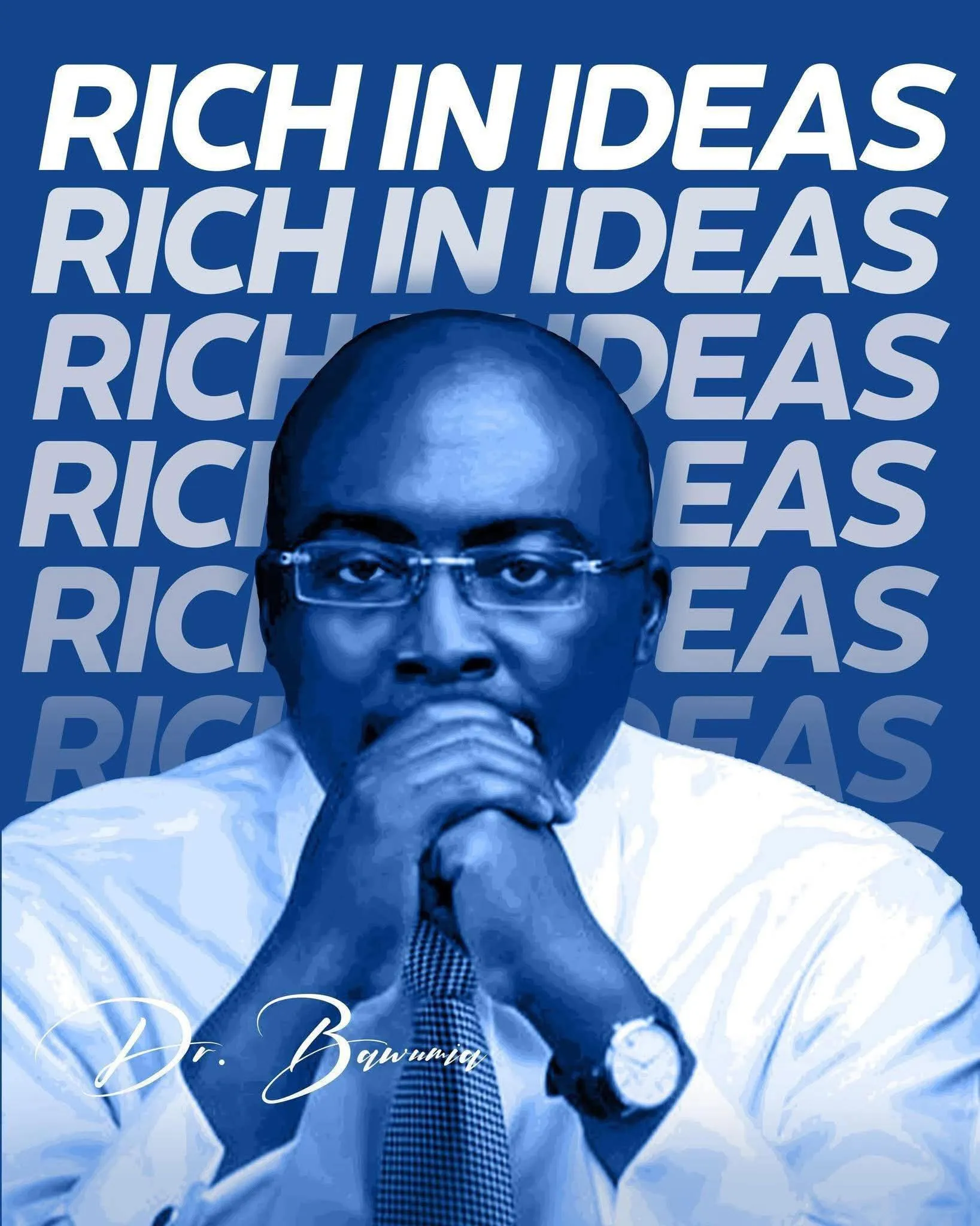
Former Vice President and New Patriotic Party (NPP) presidential candidate, Mahamudu Bawumia, has raised alarm over what he describes as an increasing pattern of intimidation against opposition figures, warning that Ghana’s democracy and freedom of expression are “under siege.”
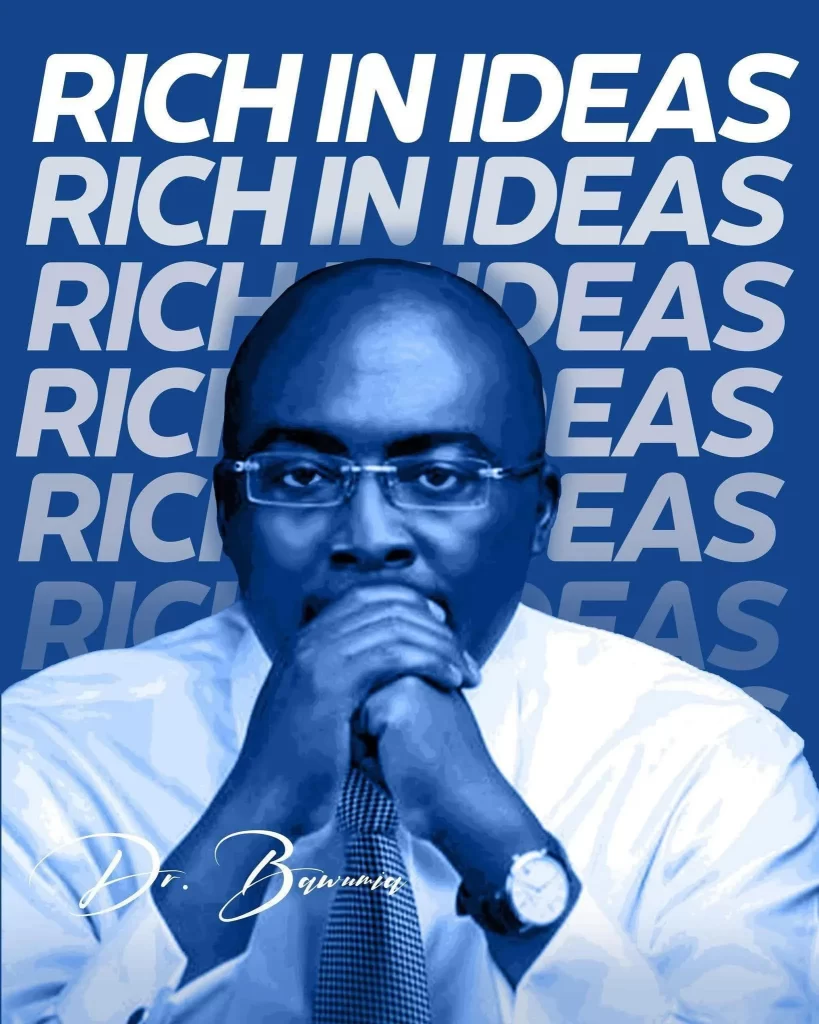
In a statement issued on Wednesday, May 13, Dr. Bawumia expressed concern about what he termed persistent attacks, arrests, and detentions targeting members and supporters of the NPP since the National Democratic Congress assumed office on January 7, 2025.
He also criticised what he called “unconscionable bail conditions,” arguing that such measures are being used to suppress dissent and weaken opposition voices.
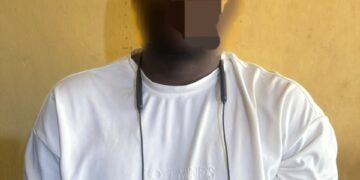
Citing specific incidents, Dr. Bawumia referenced the arrest and detention of social media user David Essandoh, who was reportedly picked up after making online comments about the return of “dumsor,” a term commonly used to describe recurring power outages. Essandoh was later released.
The former Vice President also pointed to the remand of Kwame Baffoe Abronye, popularly known as Abronye DC, describing both cases as part of a broader trend of political intimidation.
According to Dr. Bawumia, these developments threaten to erode the gains Ghana has made in strengthening its democratic institutions.
“I condemn in the strongest of terms the unholy collaboration between the Executive, State investigative agencies, and some elements within the judiciary to use intimidation and harassment to silence members of the New Patriotic Party,” he stated.
He further warned that individuals he believes are involved in the abuse of state power would eventually be held accountable, adding that “the day of accountability will come.”
Dr. Bawumia urged party members and supporters nationwide to remain steadfast and continue holding the government accountable, emphasizing that Ghana’s democratic principles must be protected from what he described as growing abuse of authority.
The concerns come amid heightened political tensions, as allegations of suppression and counterclaims of lawful enforcement continue to shape the national discourse.