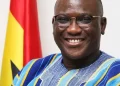

























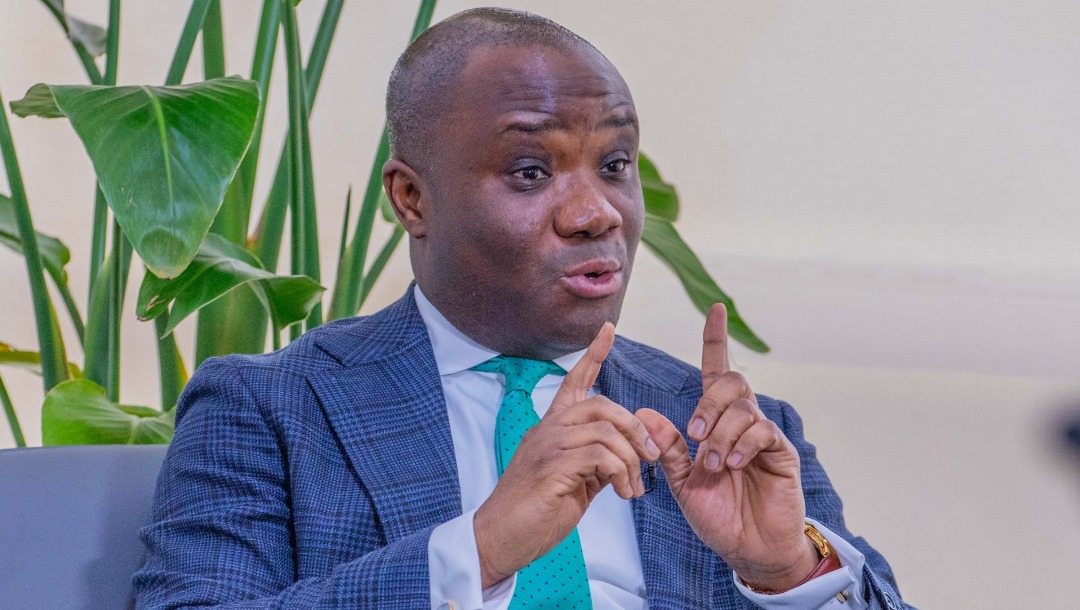
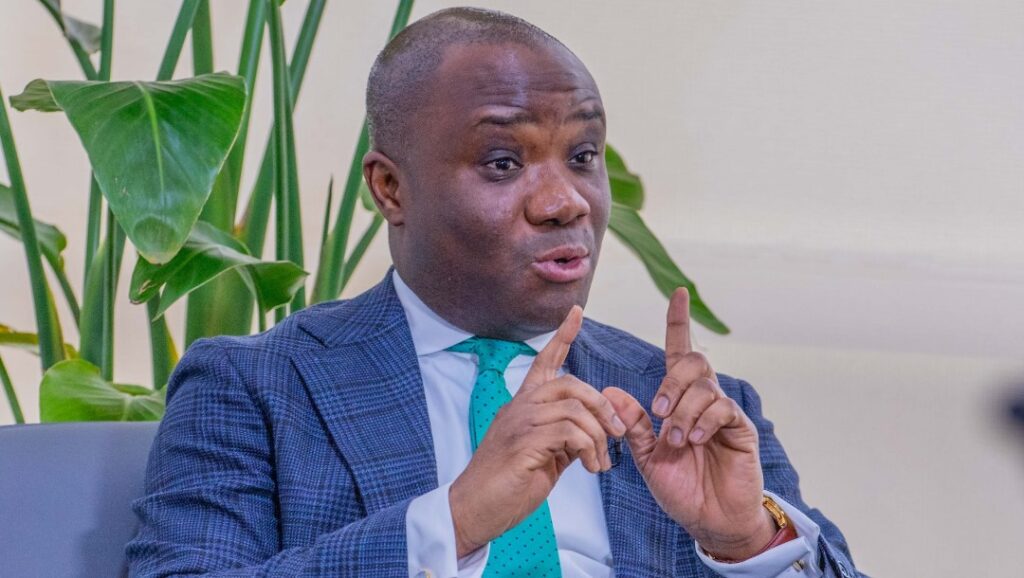
The Minister of State in charge of Government Communications, Felix Kwakye Ofosu, has pushed back against demands by the Minority in Parliament for President John Dramani Mahama to apologise over the government’s handling of the anti-LGBTQ bill.
The call for an apology was made by members of the Minority, who have raised concerns about what they believe are attempts to subtly introduce LGBTQ-related provisions into Ghana’s Constitution through the ongoing constitutional review process. They argue that the government has not shown sufficient commitment to advancing the controversial bill.
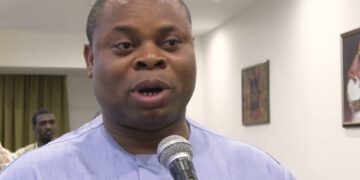
At a press briefing on April 7, Assin South Member of Parliament and sponsor of the anti-LGBTQ bill, John Ntim Fordjour, pointed to sections of the Constitutional Review Committee’s report—specifically pages 107 and 108—as evidence of proposals he considers worrying. According to him, those recommendations could open the door to recognising LGBTQ-related issues within the legal framework.
Following these claims, the Minority urged President Mahama and the governing National Democratic Congress (NDC) to apologise to religious and traditional leaders, accusing them of sidelining the bill.
However, speaking on The Pulse on JoyNews, Mr Kwakye Ofosu dismissed the demand, questioning the basis for such an apology. He argued that the government’s attention remains firmly on improving the living conditions of Ghanaians rather than engaging in what he described as politically motivated distractions.
He maintained that key national concerns such as job creation, economic recovery, and social welfare continue to guide the administration’s priorities. In his view, it would be unreasonable to expect the President to apologise for focusing on these pressing issues.
Mr Kwakye Ofosu also criticised the opposition’s approach, suggesting that their renewed urgency around the anti-LGBTQ legislation appears inconsistent. He questioned why the bill was not treated with the same level of importance when the New Patriotic Party (NPP) was in office.
The Minister further described the Minority’s stance as misplaced, insisting that the government will not be diverted from its agenda of addressing the economic needs of citizens.
The debate over the anti-LGBTQ bill remains a contentious issue in Ghana’s political space, with strong opinions from political actors, civil society, and religious groups. As discussions continue, the disagreement between the government and the Minority highlights the broader tension over legislative priorities and national development.