































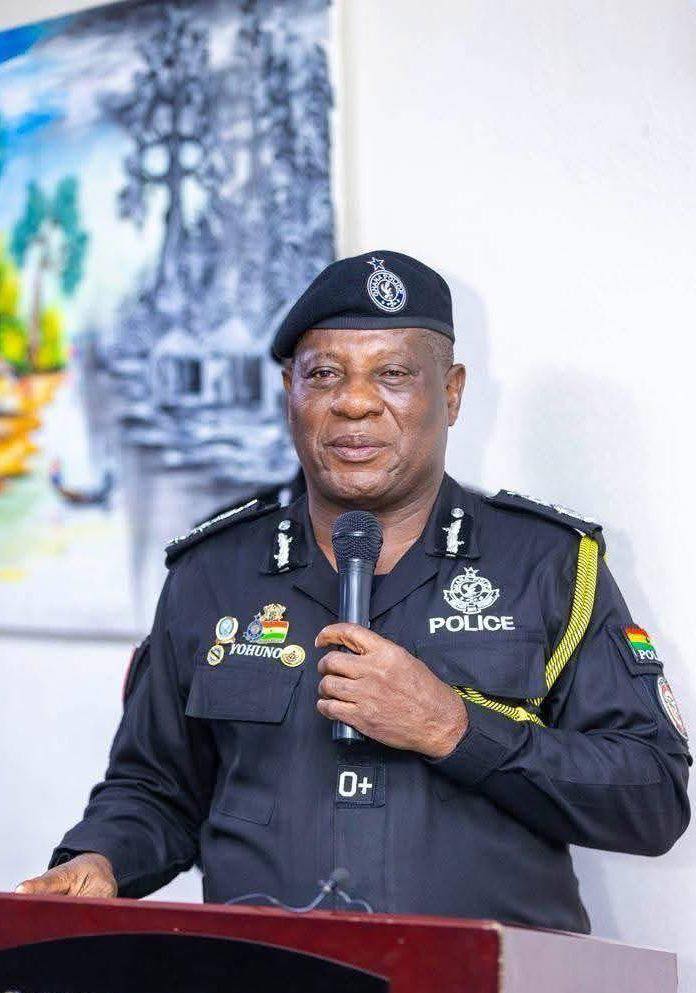
The Ghana Police Service has announced a significant policy reform under the leadership of Christian Tetteh Yohuno, aimed at improving transparency and easing interactions between motorists and law enforcement officers.
Under the new directive, police officers are no longer allowed to demand or confiscate physical driver’s licenses during routine traffic stops. Instead, motorists can provide their license number for verification, allowing them to keep their cards securely in their possession.
The policy forms part of broader efforts to reduce unnecessary contact between drivers and officers, minimize opportunities for bribery, and eliminate delays often associated with roadside checks. Officers have also been cautioned against engaging in corrupt practices or subjecting motorists to needless procedures.
This move aligns with IGP Yohuno’s firm “zero tolerance” approach to corruption within the police service. He has consistently warned both officers and the public that bribery will not be tolerated, emphasizing that attempts to offer inducements will lead to public disgrace, as promotions within the service are now tied to merit rather than illicit gains.
To support the new system, the police are leveraging technology that allows officers to instantly access driver information once a license number is provided. The initiative is part of a wider digital enforcement program known as Trafitec GH, which uses cameras and scanners to detect traffic violations and issue electronic penalties.
Many drivers have welcomed the change, viewing it as a long-overdue reform. For those who have previously experienced arbitrary license seizures or informal payment demands, the directive represents a positive shift toward fairness and accountability.
As one motorist noted, the policy is “finally a system that respects the driver,” signaling growing public optimism about ongoing reforms within the police service.